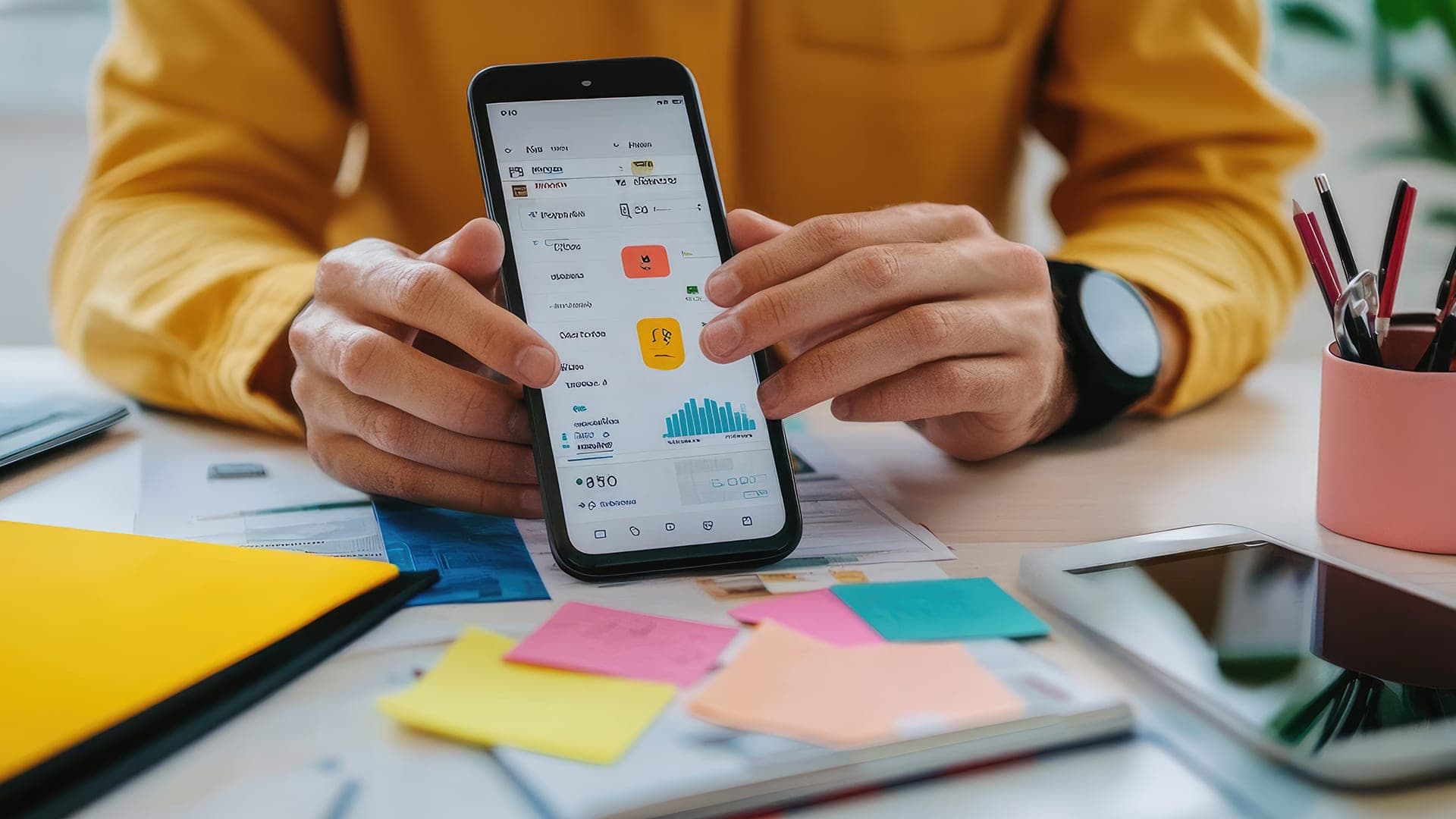
In 2026, getting downloads is easier than keeping users. According to recent mobile analytics reports, the average app loses nearly 70–80% of new users within the first three days after install. Even more striking, most apps convert less than 5% of store visitors into installs, and an even smaller percentage into paying users.
In 2026, launching a mobile app is easy. Scaling it is not. With over 2 million apps on the Apple App Store and more than 3 million on Google Play, visibility is no longer about being present. It is about being found consistently. Industry reports show that more than 65% of app downloads still come from app store search and browse, while paid acquisition costs have increased year over year in competitive categories like fintech, gaming, and health.
More than 250 billion apps are downloaded each year globally. Yet the majority of apps struggle to break past a few thousand installs. Why? Because discovery inside the app stores is brutally competitive. Studies consistently show that over 65% of app downloads come directly from store search, not ads, not social media, not press. If your app is not visible in search, it is almost invisible.
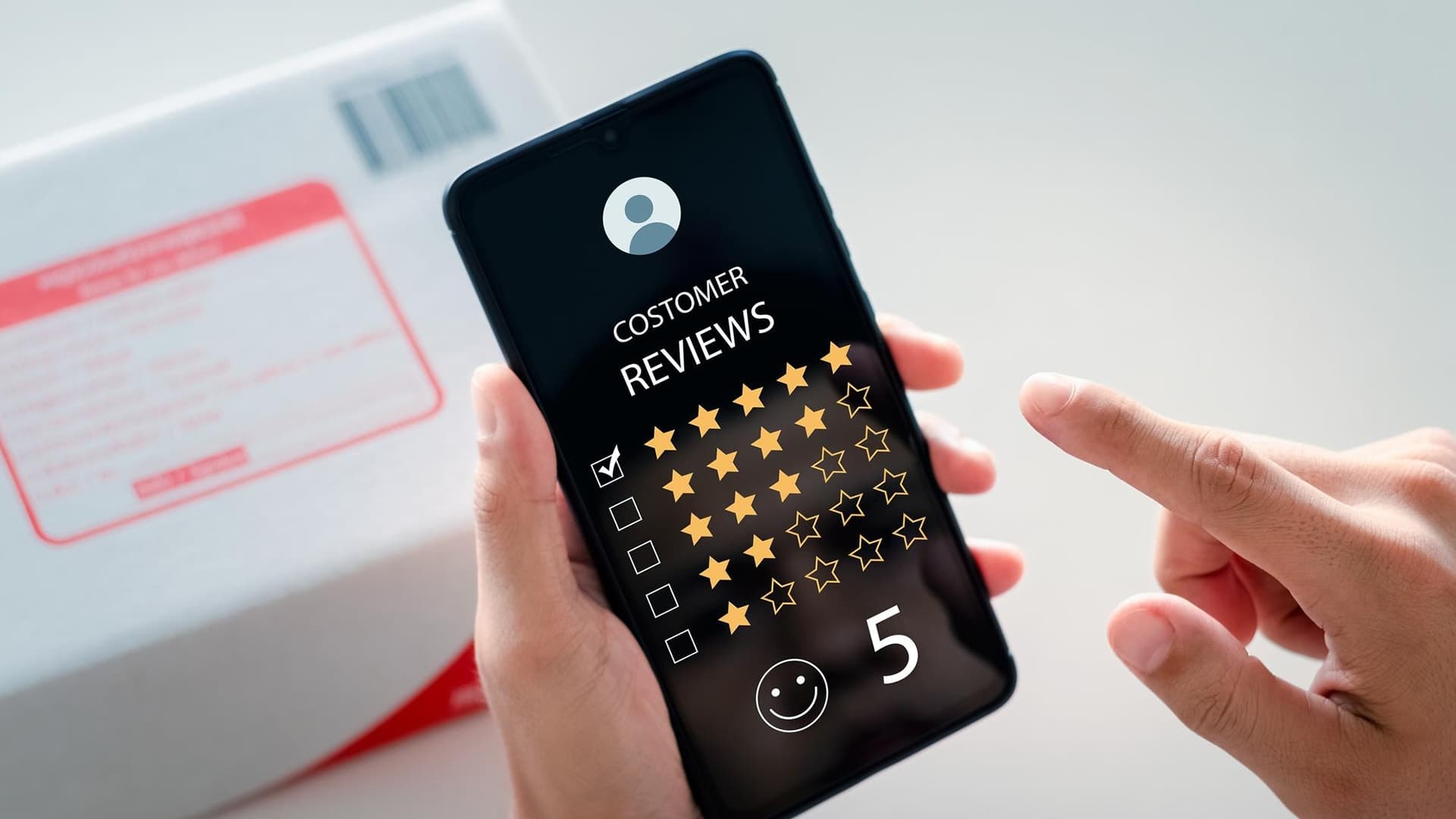
Over 70% of users check ratings before downloading an app. Apps rated below 4.0 stars see significantly lower conversion rates compared to those above 4.5. Even a small drop from 4.5 to 4.2 can reduce installs in competitive categories.
A buyer scrolls through verified listings during lunch. A broker updates property availability before a site visit. A landlord checks tenant requests without calling three different people. None of this feels innovative anymore. It feels expected.
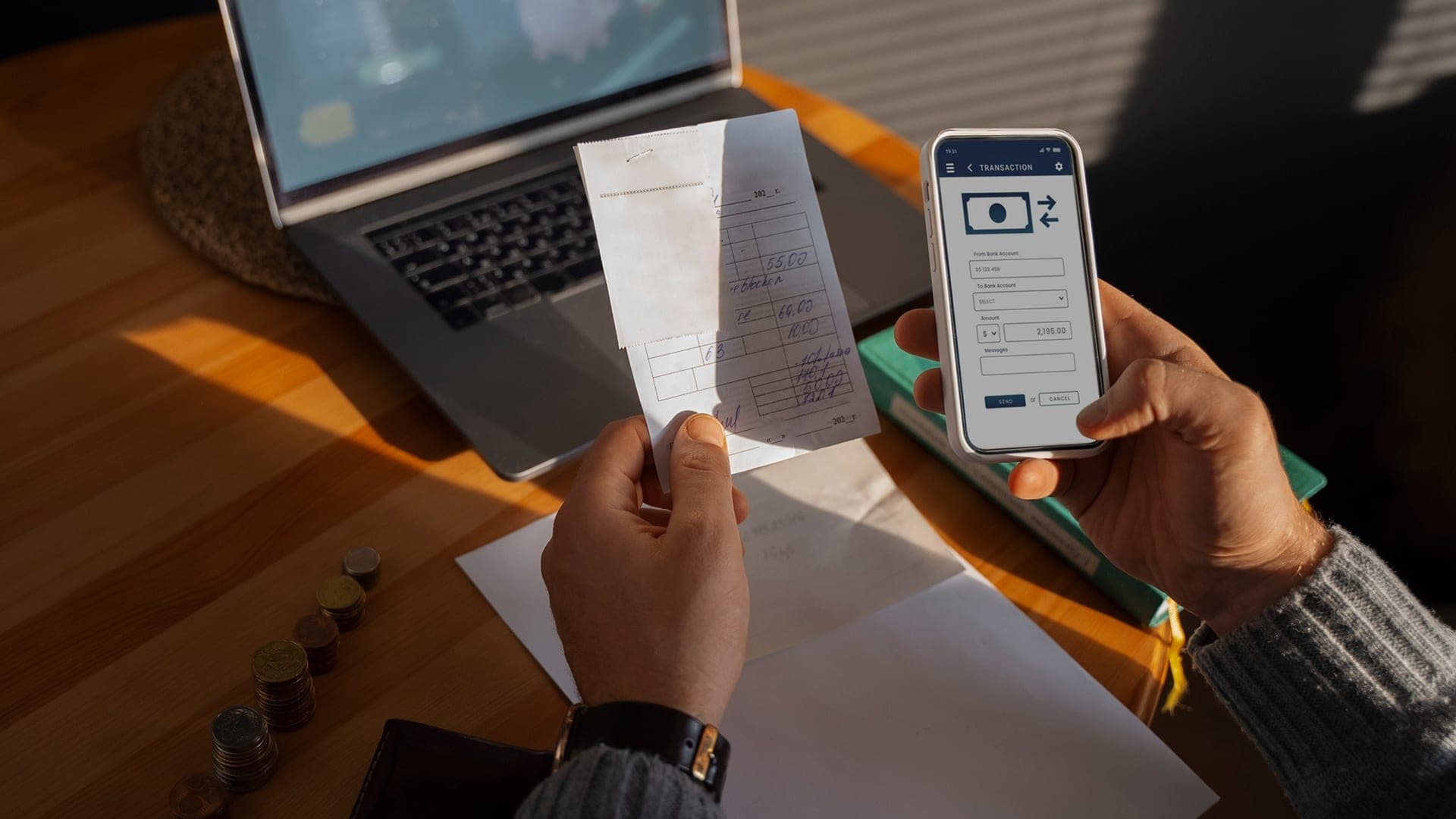
Someone hands you a paper check. You do not want to stand in line at a bank. You do not want to drive across town to a check cashing store. You just want the money in your account so you can move on with your day.
Music has become part of daily life. People listen while commuting, working out, studying, traveling, or simply relaxing at home. But internet access is not always reliable. Flights, road trips, remote areas, and weak signals can interrupt streaming at the worst moment. That is where an offline music app becomes essential.
Choosing which games truly deserve the title of most played games 2026 is not as simple as checking download numbers. Gaming has evolved. A game might have millions of installs but low daily engagement. Another might not break download records yet dominate active player charts. In 2026, popularity is measured differently.
If you build or publish mobile games, 2026 is sending a clear signal: online multiplayer is powerful, but offline still matters more than people admit. The App Store is packed with live-service giants, but there is a steady, loyal audience searching for the best offline iPhone games in 2026. Not everyone wants push notifications, daily login streaks, or a stable Wi-Fi connection just to pass time on a flight. Offline games solve a simple problem: they work anywhere.
Most app teams don’t have a traffic problem. They have a “decision path” problem. Someone hears about your app, then they do what people always do: they search.
A Play Store page looks simple on the surface. Icon, screenshots, short description, a few lines of text, some ratings. Most people make a decision fast and move on. That decision is expensive.
When people say, “This app is free,” what they usually mean is, “I didn’t pay to download it.” That’s very different from “This app doesn’t make money.”
Walk into any product team in 2026 and you can feel the shift. The room might look the same, but the pace is different. People ship faster, prototype more often, and spend less time on the parts of app development that used to drag projects into long, expensive cycles.
Did you know that most apps lose a large chunk of their users within the first month? In many industries, fewer than 3 out of 10 people are still active after 30 days. That means businesses spend time and money getting downloads, only to watch users quietly disappear.
Here’s a simple question: when was the last time your business made a decision that didn’t involve software in some way?
Let’s turn your vision into reality. Partner with our team of creators, strategists, and engineers to build something extraordinary.