

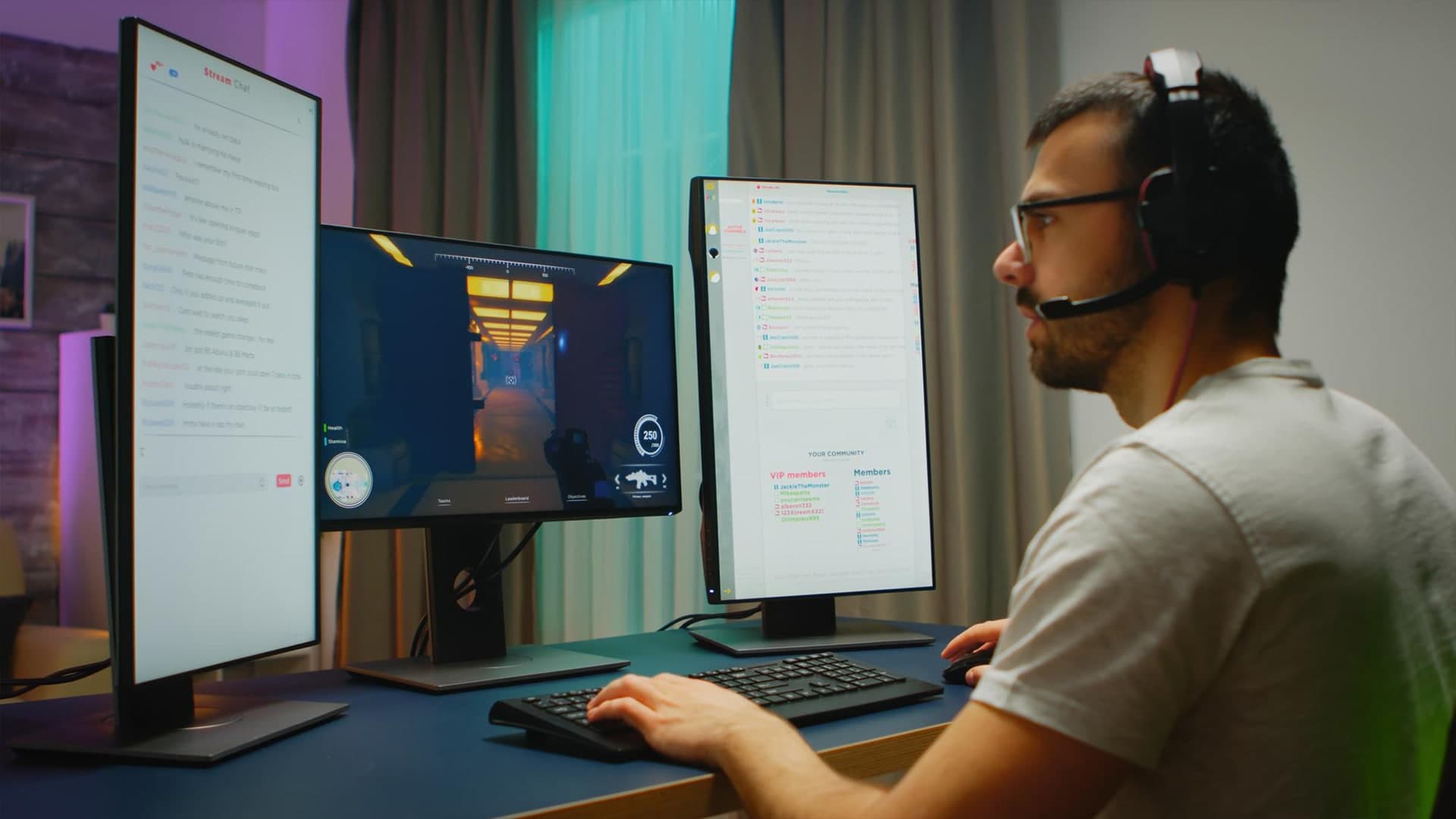
Ever played a game with a cool idea but the story felt flat, the dialogue dragged, or the “big moment” landed with zero emotion? That usually is not because the writer “wasn’t talented.” It’s because the writing was not built to work with gameplay.
A good video game script is not just a screenplay with quests stapled on. It is a playable storytelling system that supports mechanics, pacing, player choice, and production constraints.
Below is a complete, practical guide you can follow whether you are writing your first indie narrative or helping a studio tighten a story before full production.
What A Video Game Script Really Is
A video game script includes more than dialogue. It covers:
- The player’s narrative journey (beats, missions, discoveries)
- Dialogue and branching choices
- Cutscenes and in-engine moments
- Optional conversations, barks, notes, lore entries
- Quest text, item descriptions, UI prompts
- Rules for how the story reacts to player actions
Think of it as the story blueprint that the whole team can build from.
Script vs Narrative Design
Writing is the words. Narrative design is how those words behave in a game.
If your plot depends on the player doing something in a specific order, narrative design decides what happens when they do not. If you want choices to matter, narrative design defines the consequences, variables, and conditions.
The best scripts are written with narrative design thinking from day one.
Start With The Game, Not The Plot
Before you write scenes, get brutally clear on what the player does most of the time. The core loop sets the tone, pacing, and even the type of story that fits.
Define the player fantasy in one sentence
Examples:
- “I am a bounty hunter tracking targets across a lawless galaxy.”
- “I am a small-town detective solving a case with limited time and clues.”
- “I am a survivor building a shelter while something watches from the woods.”
That single sentence becomes your north star. If a scene does not feed that fantasy, it probably belongs in another game.
Align story pillars with mechanics
Pick 3 to 5 narrative pillars that match gameplay. For example:
- Exploration: mystery, hidden truths, environmental storytelling
- Combat: rivalry, escalating stakes, personal vendetta
- Crafting: rebuilding, scarcity, ownership, community
This keeps your story from fighting the gameplay.
Build A Story Foundation That Is Easy To Produce
A solid foundation prevents rewrites later when production realities hit.
Create a short story premise and theme
Write a one-paragraph premise. Then pick a theme you can return to in key moments, like “trust vs control” or “freedom has a cost.”
Theme is not a lecture. It is a filter for decisions. If your main character’s choices never test that theme, the story will feel random.
Write a simple story spine
Use a clear spine that can hold side content:
- Setup: who the player is and what they want
- Disruption: the problem that forces action
- Escalation: bigger risks, bigger choices
- Crisis: the point of no return
- Climax: final confrontation or final decision
- Resolution: what changed and what it cost
You can keep this structure even in open-world games. The difference is how the player reaches each beat.
Make a story bible early
A story bible saves your team. Keep it short and practical:
- World rules (what is possible, what is not)
- Factions and relationships
- Key locations and what happens there
- Tone guide (gritty, hopeful, comedic, surreal)
- Naming conventions and lore rules
If you skip this, your script will slowly contradict itself as content grows.
Create Characters Players Want To Follow
Players forgive simple plots. They do not forgive boring characters.
Give every major character a want and a fear
A helpful trick:
- Want: what they chase
- Fear: what they avoid
- Lie: what they believe that holds them back
- Change: what they learn, or refuse to learn
That gives you conflict that can show up in gameplay choices, not just cutscenes.
Build character voice with constraints
Game dialogue must be efficient. Most players are mid-action. Write like every line costs money and time, because it does.
To sharpen voice fast:
- Pick 3 signature traits (blunt, curious, sarcastic)
- Pick 3 verbal habits (short sentences, metaphors, questions)
- Define their emotional default (calm, defensive, intense)
Now you can write consistent lines without over-explaining.
If you’re planning to turn your concept into a full build with narrative, quests, and live gameplay systems, Trifleck’s game team can help you structure the story for production so you are not rewriting everything at alpha.
Design The Plot In Playable Beats
A common mistake is writing “the story,” then trying to squeeze gameplay in. Flip it.
Write story in beats that match what the player does.
Use mission beats instead of scene beats
For each main mission, write:
- Goal: what the player must achieve
- Obstacle: what prevents it
- Twist: what changes mid-mission
- Reward: what the player learns or earns
- New question: what pulls them forward
This makes pacing feel intentional.
Place key reveals where players are most receptive
Big exposition rarely works during intense combat or platforming.
Good placements:
- After a win (player is relaxed)
- During travel (optional dialogue)
- In safe hubs (NPC conversations)
- Through environmental clues (notes, murals, audio logs)
Your video game script should respect attention cycles.
Write Dialogue That Feels Natural In A Game
Game dialogue needs to survive interruptions, player speed, and replay.
Keep lines short and cut the “warming up”
Most dialogue is improved by removing the first 10 percent. Get to the point faster.
Instead of:
“Listen, I know this is hard, and I don’t want to pressure you, but we really need to go now.”
Try:
“We move now, or we die here.”
Add subtext, not speeches
Players can sense when a line exists only to deliver info. Hide information inside tension.
Bad:
“The crystal is dangerous because it releases radiation.”
Better:
“Do not touch that. Last guy who did spent a week coughing blood.”
Write barks and reactive lines
A living world needs reactions:
- combat barks
- discovery lines
- hurt lines
- stealth whispers
- small banter
These are easy to underestimate and expensive to patch late. Plan them early.
Handle Branching and Choice Without Losing Control
Branching stories fail when they pretend every choice can change everything. A better approach is controlled flexibility.
Use “foldback” structure
Let choices change the path for a while, then fold back to shared beats. Players still feel impact, and production stays realistic.
Example:
- Choice changes which ally you gain
- Later mission is shared, but ally affects approach, dialogue, and ending flavor
Track variables that matter
Keep a small set of variables:
- reputation with factions
- trust with a companion
- key moral decisions
- major world state changes
If you track too many, you will break your own logic.
Make choices show up in gameplay
A choice that only changes one line of dialogue feels fake.
Better consequences:
- new route opens
- different boss encounter
- altered mission objective
- new tool or companion ability
- a safe hub becomes hostile
A video game script is strongest when the player feels story through action.
Choose A Script Format Your Team Can Actually Use
Your format should support collaboration and production.
Common formats that work
- A screenplay style for cutscenes plus a separate dialogue sheet for gameplay
- A quest document format (mission brief + step-by-step beats + dialogue nodes)
- A node-based dialogue format if your game is choice-heavy
The best format is the one your designers, engineers, and QA can read without asking you to translate it every week.
Add production-friendly details early
Small details save major time later:
- line IDs for every dialogue line
- character tags and emotions for VO
- conditions for triggering lines
- localization notes for jokes, slang, names
If you wait until the end, you will create a painful spreadsheet marathon.
Integrate Story With Level Design and Quests
This is where good scripts become great.
Write “story moments” that level design can support
Instead of “the player feels fear,” write a moment the level can deliver:
- narrow corridors with audio cues
- a safe room that stops being safe
- a long silence before an ambush
- a visible threat the player cannot fight yet
Use side quests to deepen, not distract
Side quests should do at least one:
- reveal character backstory
- show a new side of the world
- reinforce the theme
- teach a mechanic in a story-driven way
If a side quest does none of these, it is probably filler.
Revise Like A Game Team, Not Like A Novelist
A script is not finished when it reads well. It is finished when it plays well.
Do table reads and “controller reads”
Table read: actors or teammates read the lines out loud.
Controller read: someone plays a build while another person reads dialogue at the real pace. You will immediately spot lines that are too long or badly timed.
Test for pacing gaps
Ask:
- Do we go too long without a strong goal?
- Are there too many back-to-back dialogue dumps?
- Does the player understand why they are doing the mission?
Cut ruthlessly
If a scene is “cool” but does not move story or gameplay, cut it. Save it for marketing lore or optional content.
Common Mistakes That Ruin A Game Script
Writing a movie inside a game
If the best parts only happen in cutscenes, players feel like they are watching, not playing. Move key beats into playable moments.
Overbuilding lore before you build emotion
Lore is not story. Emotion is story. Start with characters and conflict, then add lore where it supports them.
Making the protagonist passive
If the player character is always reacting, the story feels weak. Give them decisions that create consequences.
Ignoring the reality of production
Late rewrites hurt everyone. Write with constraints from the start, especially VO budget, animation complexity, and branching scope.
Mini Templates You Can Copy
Character sheet
- Name:
- Role:
- Want:
- Fear:
- Secret:
- Relationship to player:
- Voice notes:
- Arc in one sentence:
Main mission brief
- Mission name:
- Goal:
- Location:
- Key NPCs:
- Beats (3 to 7):
- Twist:
- Gameplay focus:
- Reward:
- Next hook:
Dialogue node
- Speaker:
- Player choices (if any):
- Conditions:
- Lines with IDs:
- Outcome variables changed:
Keep it simple. Consistency matters more than fancy formatting.
Final Thoughts
A great video game script is not judged only by beautiful lines. It is judged by how well it supports play, choice, pacing, and production. If you build the story around what the player does, keep characters emotionally clear, and write dialogue that fits real gameplay moments, you will end up with a script that feels alive.