

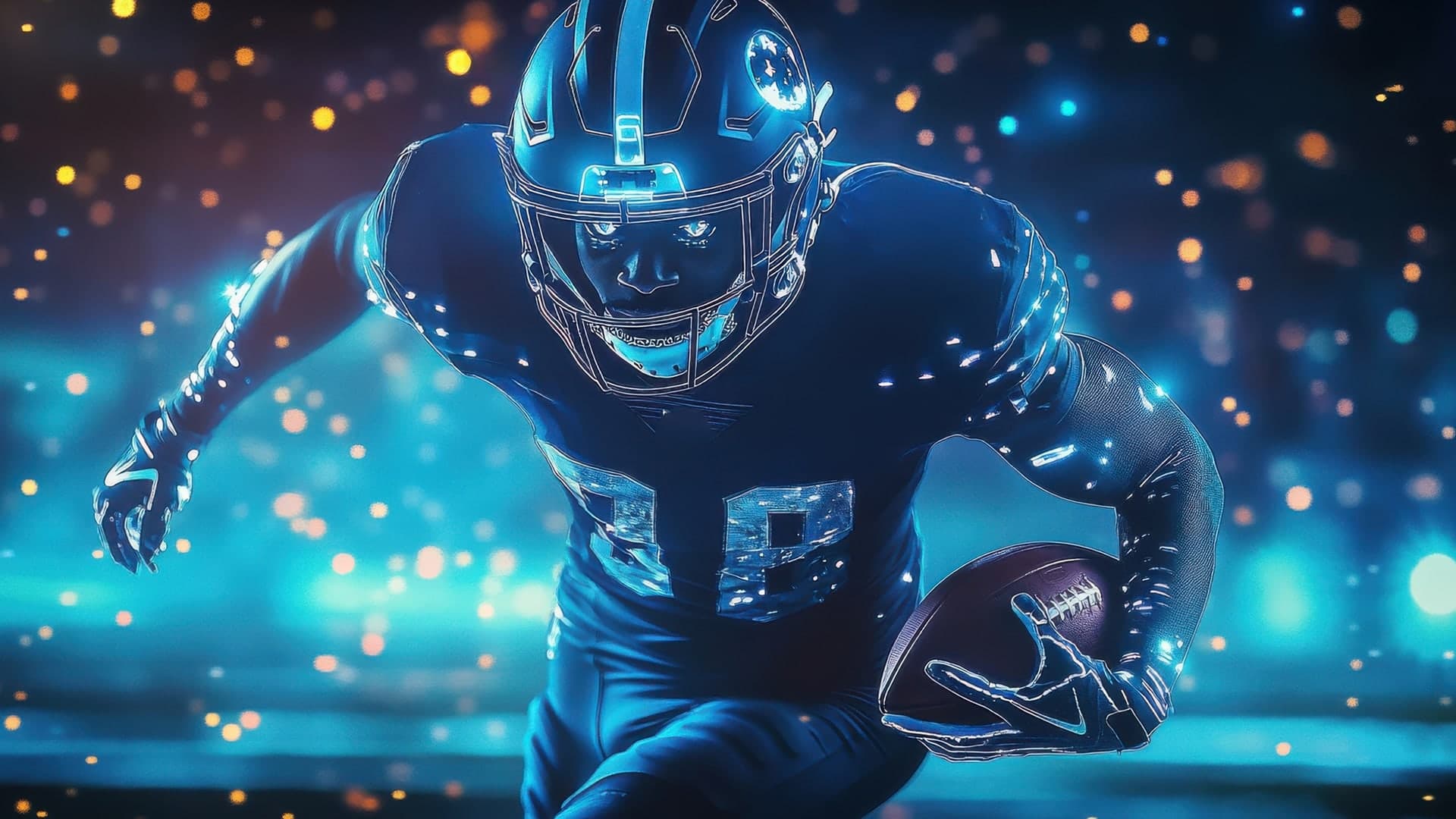
If you watch an NFL game today, you are not just watching 22 players on a field. Behind every play, there are millions of data points being collected in real time. Player speed, distance covered, impact force, reaction time, all of it is tracked, stored, and analyzed while the game is still happening.
This explosion of data is exactly why artificial intelligence has become so important. The role of AI in American football is more than just post-game stats or basic analysis. Teams use AI to understand player performance, spot injury risks early, break down opponents faster, and support better decision-making on game day. Even fans benefit from AI through smarter broadcasts, live insights, and personalized content.
As football keeps moving toward a more data-driven future, AI is slowly but surely dictating how the game is played, coached, and experienced. Today, we’ll take a closer look at where AI fits into American football and why its role continues to grow.
How AI Is Becoming Part of Everyday American Football
AI is no longer an experiment in football. It is part of daily operations for many teams and leagues. From training fields to game-day decisions, AI tools help turn raw data into useful insights.
Enhancing Player Performance
Player performance has always been measured by coaches watching practice and reviewing game film. While that still matters, AI adds another layer of understanding. Wearable devices and sensors track movement, speed, distance covered, and physical strain during both practice and games.
AI systems analyze this data to show patterns that humans might miss. For example, a coach can see if a player slows down late in practice or struggles with quick direction changes. Over time, AI can compare today’s performance with past data to highlight improvement or early signs of fatigue.
Because of this, the role of AI in American football includes helping coaches make better decisions about training loads, rest days, and player development. Instead of treating all players the same, teams can adjust plans based on real data.
Team Strategy and Game Planning
Game planning is another area where AI plays a major role. Football produces massive amounts of video footage and statistical data. AI systems can review hours of film in a fraction of the time it would take a coaching staff.
These tools identify patterns in opponent behavior, such as preferred plays in certain situations or weaknesses in defensive formations. Coaches then use these insights to prepare more effective strategies.
During games, AI models also help with decision-making. They analyze game situations and provide probability-based recommendations, such as whether to go for it on fourth down. While coaches still make the final call, AI offers a data-backed perspective that supports smarter choices.
This practical use shows how the role of AI in American football strengthens strategy without replacing human judgment.
Officiating and Fair Play
Officiating has always been challenging in a fast-paced sport like football. Missed calls and close decisions can change the outcome of a game. AI now helps referees by providing better tools for review and analysis.
Computer vision technology tracks player movement and ball placement in real time. AI systems combine data from multiple camera angles to give referees clearer views during reviews. This improves accuracy and consistency without removing the human element from officiating.
Although AI does not make final decisions, its support reduces errors and increases trust in the process. This is another example of how the role of AI in American football focuses on assistance rather than control. If you want to know the cost of building an app to enforce fair play, you can visit Trifleck’s cost calculator.
Visit the cost calculator here: https://www.trifleck.com/app-cost-calculator
Player Safety
Player safety has become one of the most important issues in football. AI plays a critical role in reducing injury risks and improving long-term health outcomes.
Sensors placed in helmets and pads collect data on impacts, force, and movement. AI models analyze this data to understand how injuries happen and which situations create the most risk. Over time, these insights help leagues adjust rules, improve equipment design, and change training practices.
The NFL’s focus on creating a “digital athlete” shows how the role of AI in American football supports player safety through data-driven research rather than guesswork.
How AI Is Changing the Way Fans Experience Football
Along with help teams and players, AI also changes how fans watch, understand, and enjoy the game.
Real-Time Stats and Game Highlights
Modern football broadcasts rely heavily on AI-driven analytics. Instead of waiting for post-game reports, fans now receive insights as plays happen. AI systems process live data from cameras, sensors, and tracking tools to deliver instant updates.
How AI Improves Live Game Understanding
- Shows player speed, distance covered, and acceleration during plays
- Displays win probability and play success rates in real time
- Breaks down formations and matchups visually on screen
These insights help explain why a play worked or failed, not just what happened. As a result, the role of AI in American football includes making broadcasts more educational without slowing down the action.
Making the Game Easier for Casual Fans
AI-powered graphics simplify complex situations, such as:
- Why did the team choose to go for it on fourth down
- How defensive pressure affected a quarterback’s decision
- Which players created space during a scoring play
This approach helps new or casual fans stay engaged while still offering deeper analysis for experienced viewers.
Personalized Viewing and Content Delivery
AI also personalizes the fan experience. Streaming platforms and official league apps use AI to recommend highlights, replays, and content based on user preferences.
For example, a fan who follows a specific team or player may receive tailored updates and analysis. This keeps fans engaged before, during, and after games. It also helps leagues build stronger connections with their audience.
NFL’s Integrated AI Approach: Next Gen Stats and More
The NFL has taken a structured approach to AI by integrating it across multiple systems. One of the best examples is Next Gen Stats.
What Next Gen Stats Does
Next Gen Stats combines data from player tracking technology with cloud-based AI tools. This system collects millions of data points during each game. AI then turns that data into insights for teams, broadcasters, and fans.
Broadcasters use these insights to explain plays in simple terms. Teams use them to analyze performance and improve strategies. This shared system shows how the role of AI in American football extends across the entire ecosystem.
Key AI Functions in NFL Analytics
AI supports predictions, pattern recognition, and performance analysis. Teams use it to compare players, study opponents, and prepare for future games. Media and design teams use it to create better visual explanations for viewers.
By centralizing AI tools, the NFL ensures consistency and accuracy across the league. This approach also allows teams of different sizes and budgets to access advanced analytics.
How AI Helps Coaches Make Faster In-Game Decisions
During live games, decisions need to happen quickly. AI systems process real-time data and offer insights that help coaching staff respond faster to changing situations. This includes understanding player fatigue, defensive mismatches, and shifting momentum.
Instead of relying only on gut instinct, coaches can use AI-backed insights to:
- Adjust play calling based on defensive patterns
- Decide when to rotate players
- Respond to opponent strategies more effectively
This shows how the role of AI in American football supports faster thinking without slowing down the pace of the game.
Using AI to Measure Player Impact Beyond Basic Stats
Traditional stats like yards gained or tackles made do not always tell the full story. AI-powered analytics help measure a player’s true impact by analyzing movement, spacing, and decision-making during plays.
For example, AI can identify:
- How a receiver creates space even without catching the ball
- How offensive linemen affect plays without touching the ball
- How defensive positioning changes opponent behavior
Expanded Uses of AI in American Football
Beyond core gameplay and fan engagement, AI supports several key areas that influence how teams prepare, evaluate talent, and manage performance throughout the season.
- Injury prediction and prevention by tracking workload, movement, and recovery patterns
- Smarter drafting and scouting through data-driven comparisons of player potential
- Game simulations and strategy testing without adding physical strain on players
The Challenges That Come With Using AI in Football
While AI brings clear benefits to American football, it also raises important challenges that teams, leagues, and players must address carefully. These issues are not about stopping innovation, but about using technology responsibly and fairly.
Data Privacy and Player Trust
AI systems rely on large amounts of player data, including physical movement, health indicators, and performance metrics. This data can be highly sensitive, especially when it relates to injuries or long-term health risks.
Key concerns include:
- Who owns the data collected from players
- How long the data is stored, and who can access it
- Whether data could affect contracts, trades, or career decisions
For the role of AI in American football to remain positive, players must trust that their data is protected and used only for agreed-upon purposes.
Risk of Relying Too Much on Technology
AI provides insights, not answers. One major limitation is the risk of over-reliance on numbers without considering real-world context. Football is unpredictable, and not every situation can be reduced to data.
Examples where human judgment still matters:
- Reading player emotions and confidence
- Adapting to unexpected weather or field conditions
- Managing leadership and locker-room dynamics
AI works best when it supports coaches and staff, not when it replaces experience and intuition.
Bias and Gaps in AI Models
AI systems learn from historical data. If that data is incomplete or biased, the insights can also be flawed. This is especially important in areas like scouting, drafting, and player evaluation.
Potential issues include:
- Overvaluing certain physical traits while ignoring others
- Undervaluing players who do not fit past patterns
- Reinforcing existing biases instead of challenging them
This is why teams must regularly review and test AI models instead of treating them as neutral or perfect tools.
Transparency and Fairness Across the League
Not all teams have equal access to advanced technology or expertise. If AI tools are used unevenly, they could create competitive imbalances.
Important fairness considerations include:
- Ensuring consistent data standards across teams
- Making officiating support tools transparent and explainable
- Avoiding “black box” systems that no one can question or understand
To protect the integrity of the game, the role of AI in American football must remain transparent, explainable, and accountable.
Conclusion
AI has become an essential part of modern football. From improving player safety to enhancing fan engagement, its influence touches nearly every aspect of the game. Importantly, the role of AI in American football is not about replacing people. Instead, it is about providing better information, improving accuracy, and supporting smarter decisions.
As technology continues to advance, football will keep evolving. The teams and leagues that use AI responsibly and effectively will be better prepared for the challenges ahead, both on and off the field.