In 2026, attention is not scarce. Clarity is. According to multiple industry reports published between late 2025 and early 2026, the global animation and VFX market has crossed $220 billion, with business, marketing, and educational animation driving a significant share of that growth. Separate market research shows the broader animation industry moving toward $450 billion in 2026, largely fueled by digital marketing, SaaS onboarding, product explainers, and brand storytelling.
Scaling an online store is not just about increasing traffic. Most ecommerce brands learn this the hard way. They invest in ads, improve product pages, and optimize checkout flows, yet growth eventually slows. What worked at one stage stops working at the next.
Social media marketing has become one of the most demanding responsibilities in modern marketing. It looks simple on the outside. A few posts, a few replies, maybe a paid campaign here and there. But anyone actually running social media for a brand knows the truth: it is never “just posting.”
If you have ever tried to explain something important and watched the other person’s eyes glaze over, you already understand the problem. It is not that your idea is bad. It is that the explanation is doing too much work. Businesses face this every day. They build great products, strong services, and smart systems, then struggle to describe them in a way people instantly get. The more complex the idea, the more words get piled on. More words usually do not create more clarity. They create fatigue.
Shopify stores are no longer competing on products alone. They are competing on experience, speed, flexibility, and how intelligently their storefront adapts to customer behavior. In 2026, the difference between a growing Shopify store and a stagnant one often comes down to the apps running behind the scenes.
Why do so many B2B companies invest in digital tools and campaigns yet still struggle to grow consistently? According to industry research, most B2B buyers now complete more than half of their decision-making process before ever speaking to a sales representative. This shift has changed how growth occurs and raised the bar for companies trying to stay competitive.
Do you know why 70% of businesses fail? The reason is that a technology project fails to meet the objectives that these businesses wanted. Failing to deliver the right experience for its online users can cause slower growth, higher costs, and missed opportunities. That’s where planned and thoughtful software development, using modern trends, can save the day.
Choosing a Flutter development partner is not as simple as picking the most popular name on Google. Flutter itself is flexible, fast, and powerful. But the outcome of a Flutter app depends heavily on how a company thinks, plans, and communicates. Two companies can use the same framework and deliver completely different results.
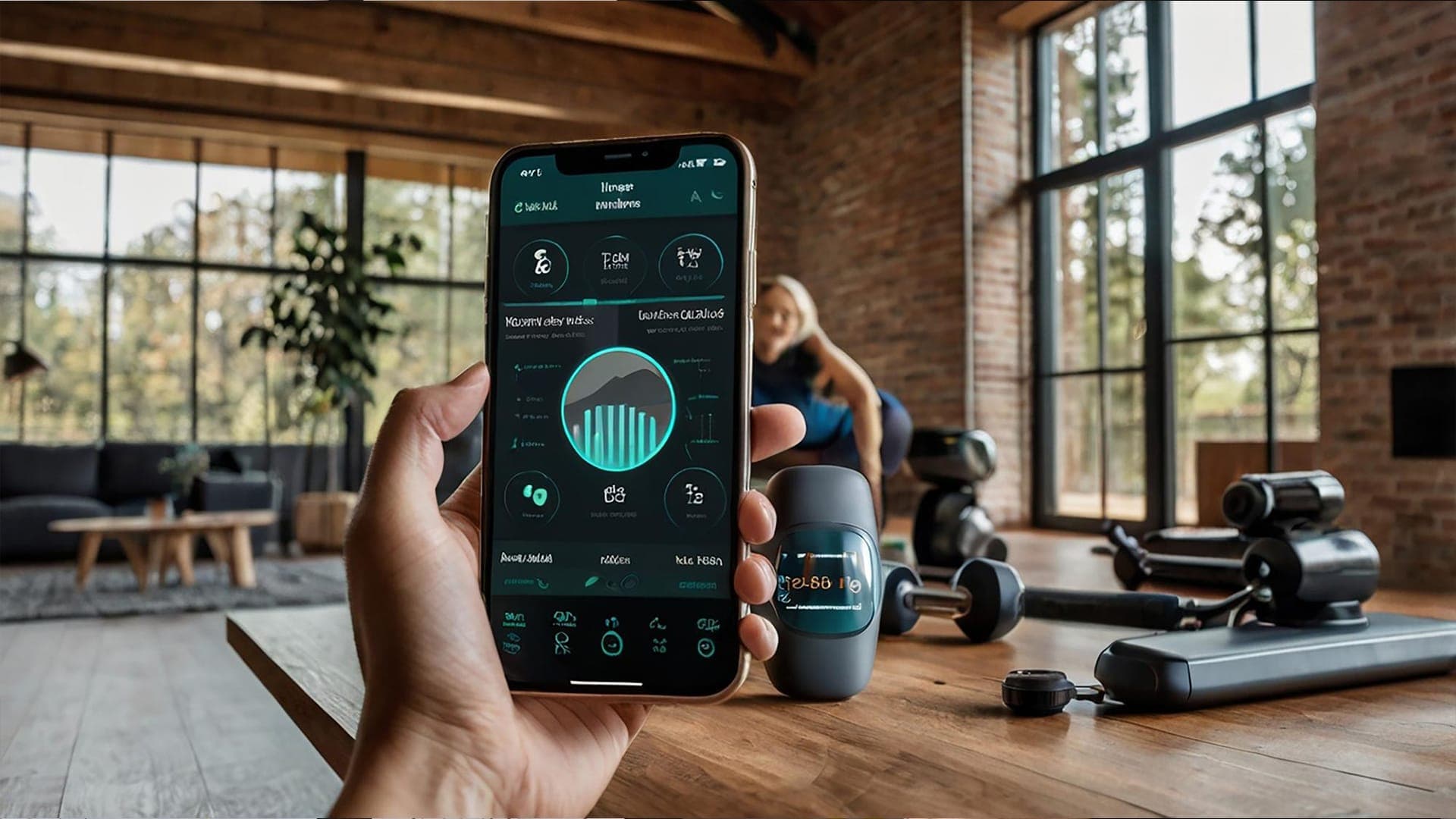
People rarely download a fitness app because they are already disciplined. They download it on a tired Monday. Or after skipping workouts for weeks. Or after feeling uncomfortable climbing stairs. The decision usually comes from a small moment of frustration or hope.
Educational apps are everywhere now. Kids use them to practice math after school. College students use them to prepare for exams. Professionals use them to learn new skills on the bus, during lunch breaks, or late at night. Even teachers and trainers rely on apps to share lessons and track progress.
If you ask ten people, “How long does it take to build an app?” you will get ten confident answers, and at least eight of them will be wrong for your specific case. Not because people are lying, but because the question is incomplete. The timeline depends on what kind of app you are building, how many moving parts it has, and how much validation is needed before it is safe to launch.
In one consumer survey of 2,000 smartphone users, 58% said they would likely abandon a brand entirely after experiencing problems with its mobile application. In the same research, 85% said they would rather use a basic-looking app with no glitches than a sleek app that occasionally breaks.
In 2026, ERP is not a “nice-to-have” system you buy when the business is mature. It is becoming the difference between companies that run clean operations and companies that constantly feel behind. ERP market revenue is widely reported to be around the high tens of billions globally around 2026, which tells you one thing: businesses are still investing heavily in getting their operational house in order.
Digital operations rarely collapse in one visible moment. They wear down slowly. A report is delayed. A dashboard looks slightly off. A team waits for data that already exists somewhere else. Someone exports a file “just this once”. None of this feels serious at first. But over time, these small frictions stack up. What looks like a technology problem is usually an operations problem hiding behind software. Most businesses today are not short on tools. They are short on cohesion.
Game testing is often misunderstood as a final step, something done just before launch to catch obvious bugs. In reality, testing plays a much deeper role. It influences how a game feels, how stable it remains over time, and whether players trust it enough to keep coming back.
Let’s turn your vision into reality. Partner with our team of creators, strategists, and engineers to build something extraordinary.