“An app is an app” sounds true until you try to ship one in a regulated or operations-heavy industry. A retail app can survive a small glitch. A fintech app cannot. A logistics app has to handle messy real-world exceptions daily. And healthcare apps sit inside a market projected around $491.62 billion in 2026 for digital health alone, which tells you how serious the space has become.
A lot of people underestimate game development for one simple reason: they judge the cost by how the game looks on the first screen.
You can show the same app idea to three different people and still hear three different price ranges. One says it is “pretty simple.” Another says it is “a big build.” The third starts asking uncomfortable questions like, “Who is liable if something goes wrong?” That last question is usually the clue.
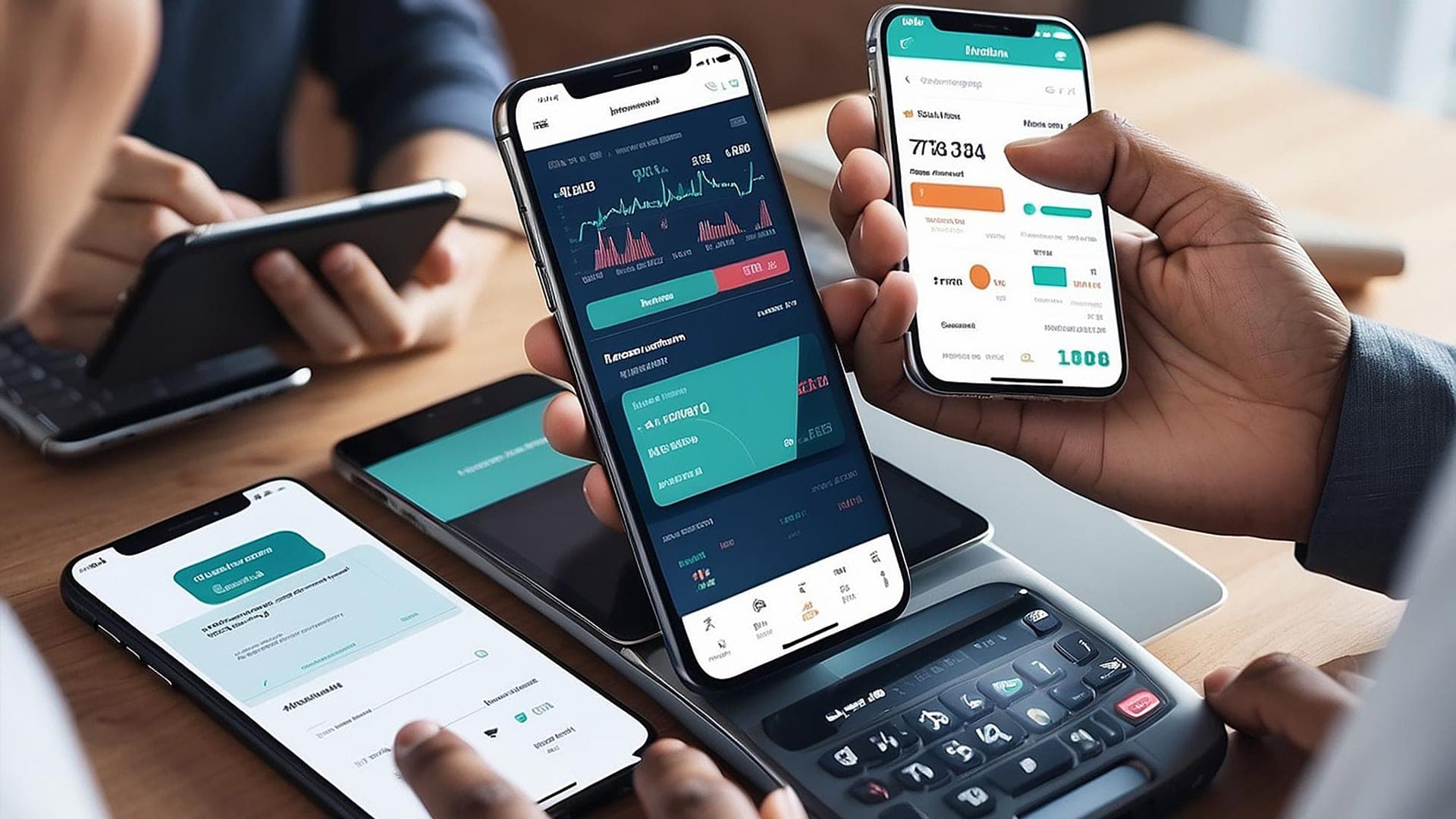
Finance apps are growing fast, and the expectations around them are getting stricter. For example, Sensor Tower reports that consumer banking apps topped 2 billion downloads in the year ending June 2025, with 5.1% year-over-year growth. At the same time, payment fraud is not slowing down. The European Banking Authority and the European Central Bank reported total payment fraud in the EEA rising to €4.2 billion in 2024, up from €3.5 billion in 2023.
In 2025, mobile hit record highs across the numbers that directly affect app businesses. Total downloads across iOS and Google Play rose to nearly 150 billion. People spent 5.3 trillion hours in apps, roughly 3.6 hours per day per mobile user. And global in-app purchase revenue climbed to $167 billion.
Most people start a shopping app project with a screenshot in mind. A clean home screen. A nice product grid. A smooth checkout. And then the quotes come in and the numbers feel… random.
Healthcare is one of the few spaces where an app can change someone’s daily life and still be held to the standards of a regulated product. That combination is exactly why budgeting feels stressful. You are not just planning screens and features. You are planning security, compliance, data flows, and reliability that users trust with real health decisions.
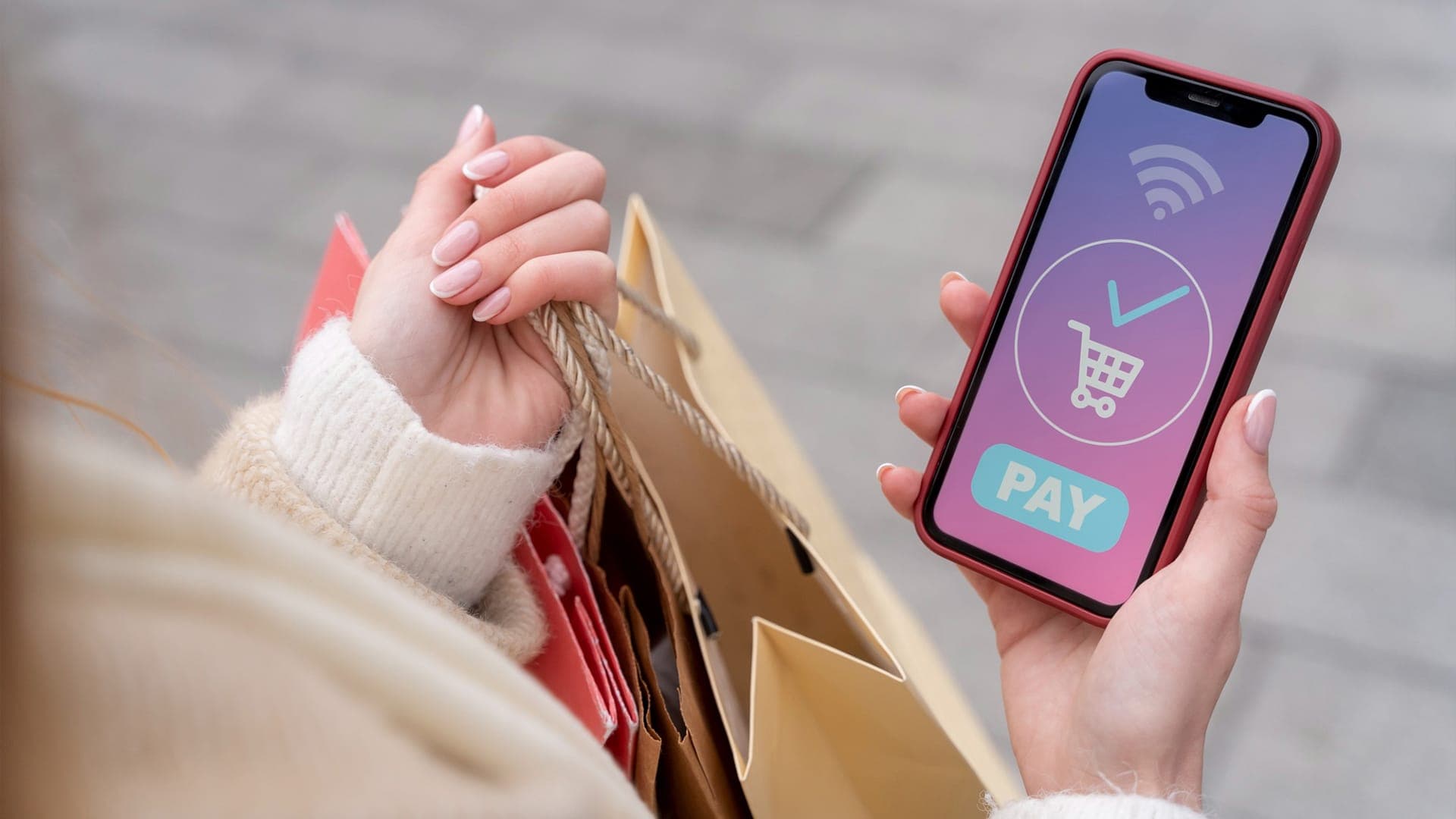
In 2026, ecommerce was no longer “the future,” it was the default for a massive chunk of retail. eMarketer forecasted worldwide retail ecommerce sales hitting $6.419 trillion in 2025, with ecommerce making up 20.5% of total global retail sales. And even when demand is strong, the leaks are brutal. Baymard’s latest benchmark puts the average documented cart abandonment rate at 70.22%, meaning most shoppers who add to cart still leave without paying.
A great live show is already emotional. The difference today is that fans want to feel that emotion even when they are not in the venue. They want to chat, react, buy merch in the moment, tip the artist, replay highlights, and share the experience with friends. When you build live streaming apps the right way, you are not just “broadcasting a concert.” You are creating a digital venue that can grow an audience, deepen loyalty, and unlock new revenue without watering down the music.
Game ideas are everywhere. Shipping a game that people actually keep playing is rarer. If you are budgeting a game app in 2026, you are dealing with two realities at once: The market is still huge. Newzoo estimates $188.8B in global games revenue in 2025 and a 3.6B player base. Attention is harder to win. Sensor Tower’s State of Mobile 2026 highlights that users spent 5.3 trillion hours on apps, and for the first time consumers spent more on non-game apps than games in 2025.
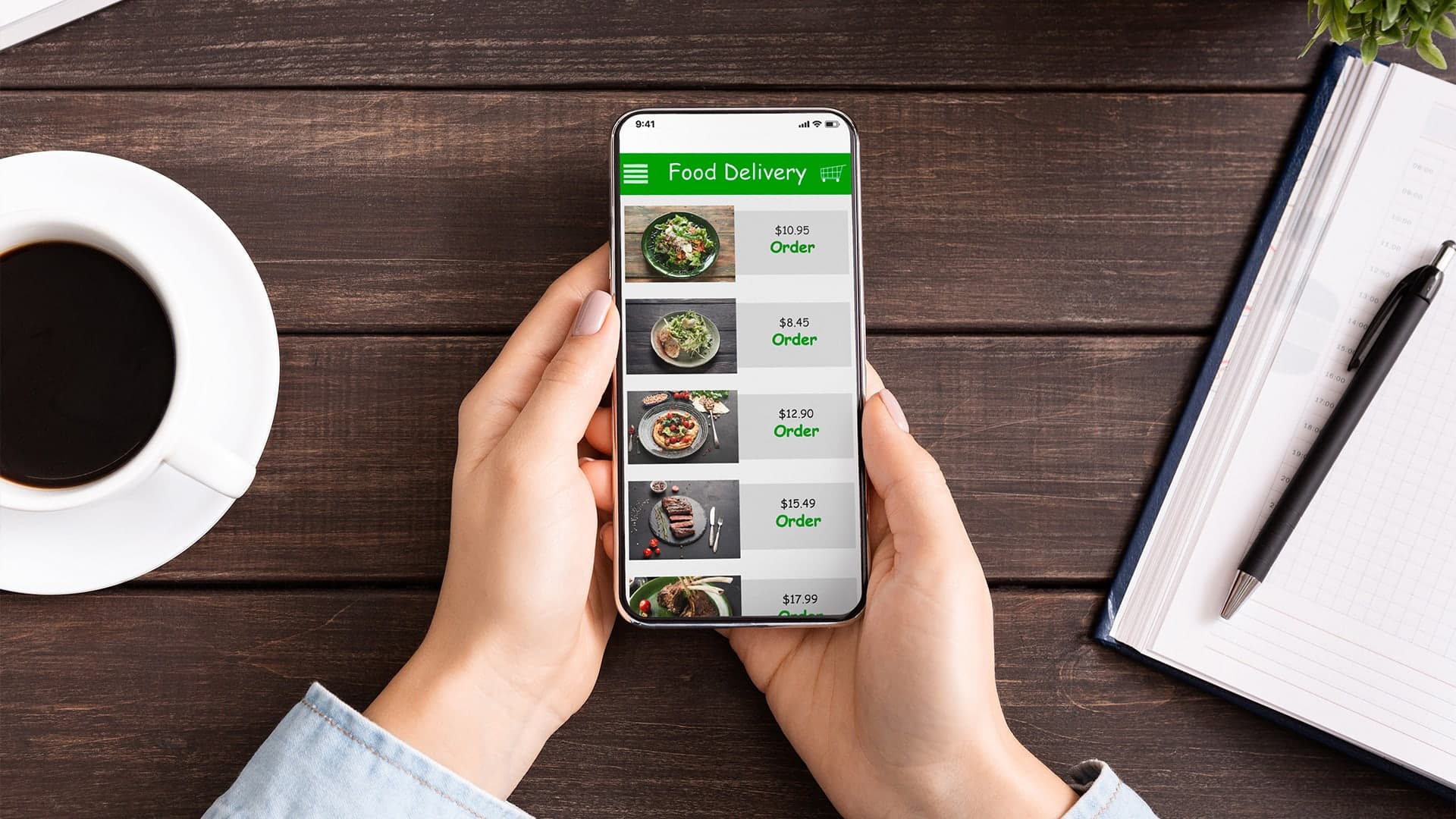
Food delivery is not a trend anymore, it is a routine. Some forecasts put the global online food delivery market at roughly USD 284.73 billion by 2026, which explains why competition is intense and speed matters. But when founders ask, “How much will our app cost?” they still get vague answers. That is usually not because vendors are hiding something, it is because food delivery apps have more moving parts than people expect: customer ordering, restaurant operations, drivers, real-time updates, and admin tools.
If you have ever asked a developer, “How much would a real estate app cost?” you have probably heard the most honest answer first: “It depends.”
Liquid Glass UI is one of those styles that looks simple until you try to build it. In a design mockup, it feels effortless: soft blur, gentle tint, depth that makes cards float, and motion that feels “expensive” without being loud. In a real React Native app, it can quickly turn into stutters, unreadable text, and a UI that looks different on every device.
With nearly 80–90% of all business data being unstructured, most organizations struggle to extract valuable information from it. Some of the unstructured data for business includes emails, documents, chat messages, images, videos, and customer feedback created every day. Businesses try to go for traditional search and data management tools, which don’t always work, since they aren’t meant for messy and fast-growing content businesses that rely on today.
Did you know that businesses that post consistently on social media see up to 2× higher engagement than those that post irregularly? Despite this, many brands struggle to maintain a steady presence across platforms. Between content planning, publishing, and performance tracking, social media quickly becomes time-consuming and difficult to manage manually. This is where automation plays a critical role.
Let’s turn your vision into reality. Partner with our team of creators, strategists, and engineers to build something extraordinary.