
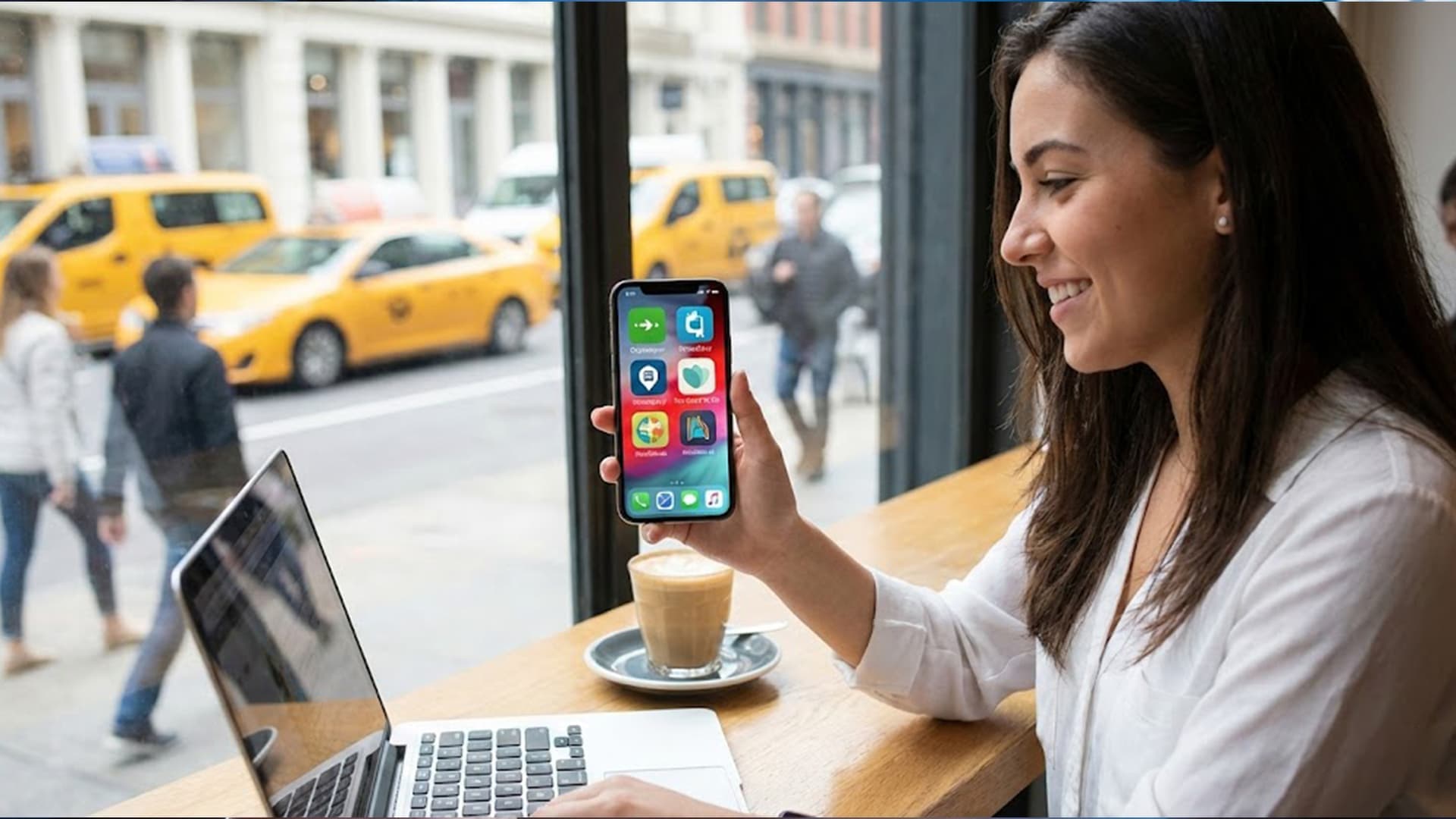
New York City moves at a speed that most places simply never reach. You feel it the moment you step into a subway station at 8:15 a.m. or try to book a dinner table on a Friday night in Manhattan. With more than 8.5 million residents and over 66 million annual visitors, daily life in the city often depends on digital tools. A recent 2024 Statista report also noted that urban Americans open utility and productivity apps an average of 25 times per day, with navigation, communication, and delivery apps leading the chart. It makes sense. In a city where time feels like currency, the best NYC apps for daily life have become quiet lifelines for millions of people who want to move, eat, plan, work, and communicate without losing precious minutes.
New Yorkers rely on apps not because it is trendy, but because it is necessary. The right tool helps you survive a stalled train, avoid a parking ticket, order groceries in five minutes, find a last-minute table in SoHo, manage a workday packed with meetings, pay someone back during brunch, or simply keep yourself oriented inside one of the busiest places on earth.
Below is a collection of the apps people in New York use constantly. They are familiar, practical, and heavily woven into everyday routines, from commuting to productivity to meals and money. If you live here, you likely use at least ten of them daily without even thinking about it.
Navigation and Commuting: Getting Around the City Faster
Google Maps
Google Maps is a permanent resident of almost every New Yorker’s phone. It remains one of the most reliable tools for navigating subway stations, bus routes, walking paths, bike lanes, and traffic-heavy streets. What makes it valuable in NYC is how quickly it adjusts to real-time conditions. If a train is delayed or a road closes, the app suggests alternatives that help you avoid losing time.
People also use it to explore neighborhoods they are not familiar with, especially in outer boroughs, where streets can be confusing. Whether you are trying to locate a hidden café in Brooklyn or running late for a meeting in Midtown, Google Maps is one of those apps you open without even noticing you are doing it.
Apple Maps
Apple Maps has improved significantly over the past few years, and many New Yorkers prefer it for its clean interface and accurate walking routes. Its step-by-step guides for subway stations are especially helpful, offering instructions such as which entrance to use or which side of the platform gets you closer to your exit. In a place where station layouts can feel like mazes, this level of detail actually matters.
The app integrates smoothly with iPhone features like Favorites, Siri suggestions, and Apple CarPlay, which makes it an everyday tool for locals who want navigation to feel seamless rather than intrusive.
MTA TrainTime
TrainTime is one of the most widely downloaded transportation apps in the city. It provides live departure times, service alerts, platform changes, and estimated crowd levels for trains across the MTA network. More importantly, it reduces uncertainty. When a train is running late or a track suddenly closes, the app delivers accurate information faster than station signage.
Many commuters check it before even stepping outside their building. If you rely on the Long Island Rail Road or Metro-North, TrainTime becomes almost non-negotiable.
Uber
Uber remains a major part of New York City transportation, especially during late nights, rainy evenings, or early morning airport runs. The ability to track your car, compare prices, and choose ride types gives you flexibility that standard taxis do not always offer.
People often use Uber when:
- The subway is delayed
- They are carrying groceries
- They need to travel across boroughs without many direct train lines
- It is too late to take public transit
Despite growing competition, Uber continues to be one of the most dependable mobility apps for daily life.
Lyft
Lyft is a close alternative to Uber and widely used across the five boroughs. Some riders prefer Lyft because of its easy interface, more consistent pricing during peak hours, or better availability in certain neighborhoods, such as parts of Queens or the Bronx.
It is also commonly used for bike rentals, especially during warmer months when Citi Bike stations fill up quickly. Lyft’s integration with bikes and scooters adds convenience for short trips.
Citi Bike
If you have lived here long enough, you know Citi Bike is a real solution for short and medium-distance travel. It is faster than walking, often quicker than waiting for a delayed bus, and ideal for avoiding crowded trains.
Citi Bike is frequently used:
- For commuting between nearby neighborhoods
- As a last-mile option after taking a train
- To ride along scenic waterfront paths
- During subway outages
The app shows bike availability, dock locations, and real-time status so you do not approach an empty rack with false hope.
Waze
Driving inside NYC can be unpredictable, so Waze is a survival tool for anyone behind the wheel. It uses crowdsourced information to alert drivers about traffic jams, accidents, construction zones, and sudden slowdowns. In neighborhoods like Lower Manhattan, where one blocked street can delay you significantly, Waze helps you escape bottlenecks faster than many standard GPS tools.
Delivery drivers, rideshare drivers, and local residents use it constantly because it adapts in real time to what is actually happening on the road.
Food, Dining, and Groceries: Eating Well Without Losing Time
Uber Eats
Food delivery is almost a daily routine for busy New Yorkers, and Uber Eats remains one of the most used apps for quick meals. Its large network of restaurants and predictable delivery times make it easy to order lunch at work or dinner at home.
New Yorkers often rely on it when:
- Their workday runs late
- The weather turns bad
- They want access to restaurants outside their immediate neighborhood
The live tracking also helps reduce the uncertainty that can come with delivery in dense urban areas.
DoorDash
DoorDash has grown massively in NYC because of its variety and strong partnerships with major restaurants. Users appreciate its scheduling feature, which allows them to order food in advance and have it delivered exactly when they want it.
Many households use DoorDash because it offers:
- Local favorite spots
- Chain restaurants
- Grocery delivery
- Convenience store orders
It covers a lot of everyday needs inside a single app.
Grubhub
Grubhub is deeply rooted in New York’s food culture and is the go-to choice for thousands of local restaurants that have partnered with them for years. The app is especially strong in Manhattan and Queens, where delivery density is high and options feel endless.
People often use Grubhub for:
- Exclusive deals on meals
- Late-night food
- Ordering from small, neighborhood eateries
It remains one of the most trusted food delivery apps among New Yorkers.
Instacart
Grocery delivery has become part of daily life in NYC, and Instacart offers access to major stores, including Whole Foods, Costco, CVS, and many local supermarkets. Same-day delivery is a major advantage, especially for families and people who work long hours and do not want to spend an evening in a crowded store.
With unpredictable weather, busy streets, and tight schedules, Instacart provides a level of convenience that fits naturally into city life.
Amazon
Amazon is more than an e-commerce platform in New York; it is a daily utility. With fast Prime delivery and convenient package pickup options, people rely on it for household essentials, electronics, furniture, cleaning supplies, and almost everything else.
In buildings without doormen, Amazon’s pickup lockers and delivery instructions help reduce package loss, which adds another layer of practicality in a city where parcels can easily go missing.
FreshDirect
FreshDirect remains a popular grocery delivery service that focuses on high-quality produce, meats, and prepared foods. Families and professionals who want consistent, fresh ingredients turn to it frequently.
Because FreshDirect schedules deliveries within defined windows, it works well for people who prefer predictable timings rather than instant arrival, especially when they plan weekly meals.
OpenTable
Booking restaurants in NYC can be challenging, and OpenTable helps solve that by allowing you to reserve tables across thousands of restaurants, read reviews, view menus, and track reward points in one place.
It is especially useful when you need to plan:
- Work dinners with clients or colleagues
- Weekend outings with friends
- Date nights
- Group events
If you dine out regularly, OpenTable quickly becomes one of the best NYC apps for daily life in the city.
Resy
Resy is known for giving access to some of the most desirable and in-demand restaurants in NYC. The app offers alerts when tables open up, which is ideal for food lovers who do not mind being flexible as long as they can get into the right place.
People use Resy to discover trending restaurants, chef-driven concepts, and special experiences that are not always available on other platforms.
Yelp
Yelp remains a key app for deciding where to eat, drink, or shop. Its large library of user reviews, photos, and filters helps people make informed choices quickly, especially when they are exploring a new neighborhood.
Locals often open Yelp when they need:
- A quick brunch spot nearby
- A reliable coffee shop
- A trustworthy salon or barbershop
- A nearby service provider, such as a plumber or dry cleaner
It is a reliable guide when you are on the move and do not have time to research deeply.
Work and Productivity: Keeping Your Day Under Control
Slack
Slack is used across NYC companies and startups for daily team communication. It keeps conversations organized in channels, helps teams collaborate faster, and integrates with tools like Google Drive, Notion, and Zoom.
With many workplaces running hybrid or fully remote schedules, Slack has become a workday essential.
Zoom
Zoom continues to be one of the most important tools for meetings, remote work, interviews, and virtual events. New Yorkers use it to join calls from home, from shared office spaces, or even from quiet corners in cafés. It removes the need to cross the city for every conversation.
Gmail
Gmail is still one of the most used email apps in the city, whether for personal communication, work correspondence, or side projects. Its smart filtering and label system help people manage inboxes that might easily get out of control.
Google Calendar
Google Calendar helps New Yorkers keep track of fast-moving schedules. Between meetings, social events, appointments, and reminders, it is one of the simplest ways to avoid double-booking yourself or forgetting a commitment.
Recurring events, shared calendars, and notifications make it easy to coordinate across teams, families, and friend groups.
Notion
Notion is a productivity workspace for individuals and teams. It lets you create pages for projects, notes, databases, and roadmaps, all in one connected system. Freelancers, students, and startups use it to plan everything from campaigns to content calendars to personal goals.
For many digital workers in NYC, Notion quietly replaces a messy stack of disconnected apps.
Todoist
Todoist helps users stay focused by turning messy lists into structured, manageable tasks. Its reminders, priority flags, and project categories help you divide your day into steps that actually get done, instead of one overwhelming block.
People use Todoist across devices, which makes it especially practical for New Yorkers who move constantly between home, commute, and office.
If you are working on a digital product aimed at improving urban life or building an app that fits real NYC user behavior, Trifleck can help you plan, design, and develop it. Our team builds digital products tailored for complex, high-density environments like New York, where performance, usability, and reliability truly matter.
Money and Payments: Splitting Bills and Staying Paid
Venmo
Venmo is one of the easiest ways for New Yorkers to split bills, pay friends, or send money instantly. Whether you are dividing a cab fare, sharing rent, or settling a group dinner, Venmo turns what used to be awkward into something simple and quick.
Cash App
Cash App is widely used for peer-to-peer payments and small purchases. Its straightforward interface appeals to people who want sending and receiving money to be as simple as sending a text.
PayPal
PayPal remains a trusted tool for secure transactions and online payments. Freelancers, small businesses, and side-hustle owners rely on it to invoice clients, receive payments, and keep track of income in a structured way.
Housing and Neighborhood Life in NYC
StreetEasy
StreetEasy is one of the top tools for apartment hunting in NYC. It provides neighborhood insights, price trends, building history, and floor plans that help you understand more than just rent numbers. Anyone moving within the city or upgrading their apartment ends up using StreetEasy at some point.
Zillow
Zillow complements StreetEasy by offering a wider national lens and helpful mortgage and affordability tools. It is useful for tracking how much rents are changing, comparing neighborhoods, and planning long-term housing decisions.
Nextdoor
Nextdoor is a digital neighborhood hub that keeps residents informed about local news, safety alerts, recommendations, lost-and-found posts, and community discussions. It brings together people who share the same blocks, parks, or schools, and it often surfaces information you would not find anywhere else.
Safety and City Services: Staying Informed and Prepared
Citizen
Citizen sends real-time notifications about incidents, emergencies, and safety concerns happening near you. Many New Yorkers keep it installed simply for situational awareness during commutes, late-night outings, or when kids and family members are out.
It can feel intense at times, but it also keeps you informed about what is happening around your area.
NYC 311
NYC 311 is the city’s official service app, used for reporting issues, checking trash collection schedules, exploring public programs, and submitting service requests. It connects residents to the city’s infrastructure and makes it easier to get help or information without waiting on long phone calls.
It may not be as flashy as food or social apps, but for many locals, NYC 311 still belongs on the list of the best NYC apps for daily life, because it helps them solve practical problems quietly in the background.
Conclusion
New York City rewards people who stay organized and prepared, and the apps listed above help make that possible. They quietly support commuting, organization, meals, payments, errands, housing searches, and safety. In a city that moves quickly, the best NYC apps for daily life are often the difference between feeling constantly rushed and feeling reasonably in control.
From the subway to your inbox to your dinner plans, the right tools can make New York feel less like a daily battle and more like the dynamic, energetic city you chose to live in. With these apps in your pocket, you are better equipped to keep up with the pace of the city and still have energy left for the moments that actually matter.