
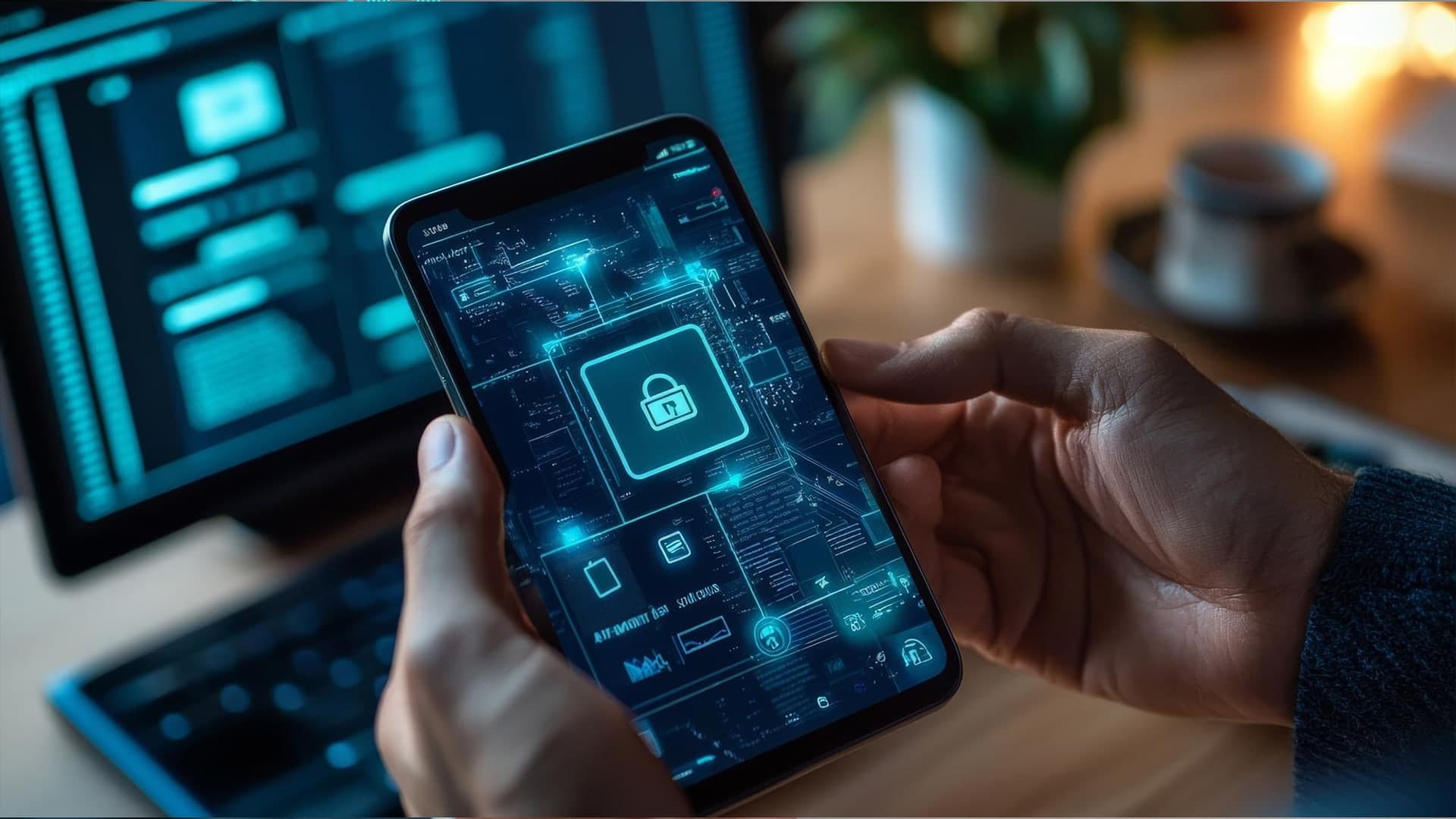
User trust is no longer built through design alone. In today’s mobile-first ecosystem, trust is shaped by what users cannot see: how securely an app is engineered, how responsibly it handles data, and how well it protects people from threats they do not fully understand. For iOS applications especially, security is not just a technical requirement; it is a direct contributor to user confidence, retention, and long-term brand credibility.
Secure iOS app development plays a defining role in how users perceive an app from the moment they install it. A single vulnerability, data leak, or unexplained permission request can permanently damage trust. On the other hand, an app that feels stable, private, and dependable quietly earns loyalty over time.
This blog explores how security practices in iOS development directly influence user trust, why users subconsciously evaluate security even when they are not technical, and how businesses can use strong security foundations as a competitive advantage rather than an afterthought.
Why User Trust Has Become a Core Product Metric
Trust used to be an abstract brand value. Today, it is measurable through behavior.
When users trust an app, they:
- Complete onboarding without hesitation
- Grant permissions without anxiety
- Store sensitive information with confidence
- Return consistently instead of uninstalling
- Recommend the app to others
When trust is broken, the consequences are immediate:
- Increased uninstall rates
- Poor App Store reviews
- Lower conversion rates
- Reduced lifetime value
- Long-term reputational damage
Unlike UI issues or feature gaps, security failures do not get second chances. Once users feel unsafe, most do not wait for fixes. They leave.
This is why secure iOS app development is now directly tied to business performance, not just technical hygiene.
How iOS Users Subconsciously Judge App Security
Most users cannot explain encryption, sandboxing, or secure APIs. Yet they instinctively sense whether an app feels safe. This perception is formed through small but powerful signals.
Subtle Trust Indicators Users Notice Instantly
- Clean permission requests that appear only when necessary
- Transparent explanations for data usage
- Consistent app behavior without crashes or freezes
- Secure authentication flows without shortcuts
- Absence of suspicious pop-ups or redirects
When these elements are present, users feel in control. When they are missing, discomfort sets in, even if users cannot articulate why.
Security, when done right, is invisible. When done poorly, it is impossible to ignore.
The Direct Link Between Security and iOS App Retention
Retention is not just about features or engagement loops. It is deeply connected to perceived safety.
Users abandon apps when they feel:
- Their data might be misused
- Their identity could be exposed
- Their activity is being tracked excessively
- The app behaves unpredictably
Even a single incident such as a login breach or unauthorized access can undo months of growth.
Apps built on secure iOS app development principles tend to show:
- Lower churn rates
- Higher session frequency
- Better long-term engagement
- Stronger subscription renewals
Security becomes the silent reason users stay.
Data Privacy Expectations Are Higher on iOS Than Anywhere Else
Apple has trained users to expect privacy by default. Features like App Tracking Transparency and privacy nutrition labels have raised awareness across all demographics.
This creates both pressure and opportunity for app owners.
What iOS Users Now Expect as Standard
- Minimal data collection
- Clear consent mechanisms
- No background tracking without disclosure
- Secure storage of personal information
- Compliance with Apple’s privacy guidelines
When an app violates these expectations, it feels like a betrayal of the platform’s promise.
Strong, secure iOS app development aligns naturally with Apple’s ecosystem values, reinforcing trust rather than working against it.
Security as a Brand Differentiator, Not Just a Protection
Many businesses still treat security as a checklist item. The most successful iOS apps treat it as part of their brand identity.
Trust-focused apps often communicate security through:
- Clear onboarding explanations
- Dedicated privacy sections
- Simple language around data protection
- Visible commitment to compliance and best practices
This is not about fear-based messaging. It is about reassurance.
Users are more likely to trust brands that proactively demonstrate responsibility rather than quietly hoping security issues never surface.
Common Security Mistakes That Erode User Trust
Even well-funded apps lose trust due to avoidable mistakes.
High-Impact Errors That Users Punish Quickly
- Hardcoded credentials in the app
- Weak authentication flows
- Over-requesting permissions
- Storing sensitive data insecurely
- Lack of session management
- Ignoring secure API communication
These issues are not always visible at launch, but they surface over time through leaks, breaches, or user reports.
Once exposed, rebuilding trust is exponentially harder than protecting it upfront.
Why Secure Architecture Matters More Than Feature Speed
Speed-to-market pressure often pushes teams to compromise security. This trade-off almost always backfires.
Shortcuts taken during development lead to:
- Technical debt that is expensive to fix
- Vulnerabilities that scale with user growth
- Emergency patches that disrupt user experience
- Loss of confidence from stakeholders and users
Apps built with secure iOS app development at the architectural level avoid these problems by design rather than by reaction.
Security-first architecture allows teams to:
- Scale safely
- Update confidently
- Introduce new features without risk amplification
- Maintain consistent trust signals over time
Authentication and Authorization as Trust Anchors
Login experiences are some of the most emotionally charged moments in any app.
If authentication feels:
- Confusing
- Overly complex
- Unreliable
- Inconsistent
Users immediately question the app’s competence and safety.
Strong authentication design balances security and usability by:
- Using secure authentication frameworks
- Supporting biometric authentication properly
- Implementing session expiration responsibly
- Protecting against brute-force attacks
- Handling failures gracefully
When users feel protected without feeling punished, trust deepens.
Secure Data Handling Shapes Long-Term User Confidence
Data is at the center of trust conversations.
Users may forgive minor UI bugs. They rarely forgive mishandled data.
Secure iOS apps prioritize:
- Encryption at rest and in transit
- Secure key management
- Controlled access to sensitive information
- Safe local storage practices
- Regular security audits
These practices do not just protect users. They protect the brand from irreversible damage.
A reputation for responsible data handling becomes a long-term competitive advantage.
The Role of Secure APIs in User Trust
Most security failures occur not in the app itself, but in how it communicates with backend systems.
Insecure APIs expose:
- User data
- Authentication tokens
- Business logic
- Payment workflows
From a user’s perspective, these failures still belong to the app, not the server.
Secure iOS app development includes rigorous API security practices such as:
- Token-based authentication
- Secure transport protocols
- Input validation
- Rate limiting
- Error handling that does not expose system details
Reliable API security prevents incidents that quietly destroy trust.
App Store Reviews Reflect Security Perception
Users may not mention “encryption” in reviews, but they mention feelings.
Common trust-related review phrases include:
- “Didn’t feel safe using this app”
- “Too many permissions”
- “Something felt off”
- “Not comfortable entering my details”
- “Uninstalled after a few days”
These reviews influence future downloads far more than feature requests or UI complaints.
Security perception directly impacts public reputation.
Building Trust Through Transparency, Not Fear
Security messaging should empower, not alarm.
The most trusted apps:
- Explain privacy in plain language
- Avoid legal jargon overload
- Offer clear choices
- Respect user decisions
- Update users honestly when changes occur
Trust grows when users feel respected rather than manipulated.
Security becomes part of the relationship, not a hidden mechanism.
Why Businesses Partner With Experts for Secure iOS App Development
Security mistakes are expensive, but expertise is preventative.
Experienced development teams understand:
- Platform-specific risks
- Apple’s evolving security requirements
- Real-world attack vectors
- Secure architectural patterns
- Long-term maintenance strategies
This is where working with a team like Trifleck makes a measurable difference. When security is embedded into development from day one, trust is not something you chase later. It is something you earn quietly and consistently.
If your iOS app handles sensitive data, payments, user identities, or enterprise workflows, partnering with specialists in secure iOS app development ensures trust is engineered, not hoped for. Businesses that work with Trifleck gain more than secure code. They gain confidence that their app can scale without risking user trust.
Measuring the ROI of Security Through Trust Metrics
Security investment shows returns through:
- Higher retention rates
- Better App Store ratings
- Lower support costs
- Reduced legal exposure
- Stronger brand reputation
Trust is not abstract. It is observable through behavior.
Apps that prioritize security outperform those that treat it as a compliance task.
Security as a Continuous Commitment, Not a One-Time Task
Trust is not built once. It is maintained.
Secure iOS apps commit to:
- Regular updates
- Vulnerability monitoring
- Platform changes
- Ongoing audits
- Proactive improvements
Users may not notice these efforts daily, but they feel the results over time.
Stability, reliability, and safety compound into loyalty.
Final Thoughts:
“Security Is the Foundation of Trust”
User trust does not come from promises. It comes from consistent protection, responsible design decisions, and a clear respect for user privacy.
In the iOS ecosystem, where expectations are high and tolerance for mistakes is low, secure iOS app development is not optional. It is foundational.
Apps that invest in security earn more than compliance. They earn credibility. They earn loyalty. And they earn the right to grow without fear of collapse.
For businesses serious about building iOS applications that users trust instinctively, security must be part of the conversation from the first line of code. Working with experienced partners like Trifleck ensures that trust is not left to chance, but built deliberately, sustainably, and professionally.