APIs sit right on the edge of your product, exposed to the public internet, getting hit by browsers, mobile apps, bots, and random scanners you never invited. Even if your app looks quiet on the surface, the API layer is usually the first-place attackers and scrapers start testing boundaries.
If you are picking a database in 2026, MongoDB is still one of the “safe bets” for modern product teams. In DB-Engines’ February 2026 popularity ranking, MongoDB sits in the top 5 overall. In the 2025 Stack Overflow Developer Survey, about 24% of respondents said they did extensive development work with MongoDB in the past year. And on the business side, MongoDB reported over 57,100 total customers as of April 30, 2025, with Atlas representing 72% of Q1 fiscal 2026 revenue.
If it feels like every other company is either building SaaS or buying SaaS, you are not imagining it. The “why now” is pretty clear in the numbers: Gartner forecasts worldwide IT spending will reach $6.15 trillion in 2026. Gartner also expects public cloud spending to exceed 45% of all enterprise IT spending by 2026, up from under 17% in 2021. IDC forecasts enterprise applications revenue will reach $385.2 billion in 2026, with public cloud software representing nearly two thirds of that revenue.
If you have ever been on a call where someone says, “We are 90% done,” for the third week in a row, you already understand the pain this topic solves. Software project management is not about pushing people harder. It is about making sure effort turns into finished work, decisions do not drift, and the project does not become a graveyard of half-built features.
Ever notice how almost everyone you know has at least one game on their phone? That’s because Android alone powers over 70% of smartphones worldwide, and mobile games now bring in more revenue than console and PC games combined. For businesses and creators, that makes Android one of the most tempting platforms to build for.
More people now shop through mobile apps than websites. According to reports, over 70% of global e-commerce sales come from mobile devices, and a large portion of that traffic happens inside dedicated apps rather than browsers. At the same time, studies also show that nearly 80% of users abandon an app after a poor first experience. That means an e-commerce app has only a small window to prove its value before users move on.
If you watch an NFL game today, you are not just watching 22 players on a field. Behind every play, there are millions of data points being collected in real time. Player speed, distance covered, impact force, reaction time, all of it is tracked, stored, and analyzed while the game is still happening.
Hiring an AI development company can feel a bit like buying a house in a neighborhood you have never visited. Everything looks great in photos. Everyone says “cutting-edge.” Everyone has a slick deck. Then, three months in, you realize you signed up for confusion, delays, and a product that does not match what your users actually needed. This checklist is meant to stop that from happening.
If you are searching how to run PPC ads, you are probably not looking for theory. You want a clean path to ROI, without burning budget for “data” that never turns into sales.
You have probably seen an upsell without realizing it. You add something to your cart, then a small box pops up: “Upgrade to the bundle and save 15%.” Or you finish checkout and immediately get a one-click offer: “Add the matching charger for $9.” In SaaS, you hit a limit and the product calmly suggests the next plan or an add-on.
If you sell to businesses, you already know the awkward truth: the buyer might love your offer, but still not trust you enough to take the risk. They can understand what you do and still hesitate. They can even be impressed and still pick a “safer” name.
Ever played a game with a cool idea but the story felt flat, the dialogue dragged, or the “big moment” landed with zero emotion? That usually is not because the writer “wasn’t talented.” It’s because the writing was not built to work with gameplay.
Have you ever noticed how enterprise apps seem to be at the center of almost every major data breach story? That’s not a coincidence. Studies show that most breaches today start at the application level, especially in large systems that handle sensitive business and customer data. When an enterprise app goes down or is compromised, the impact can be significant.
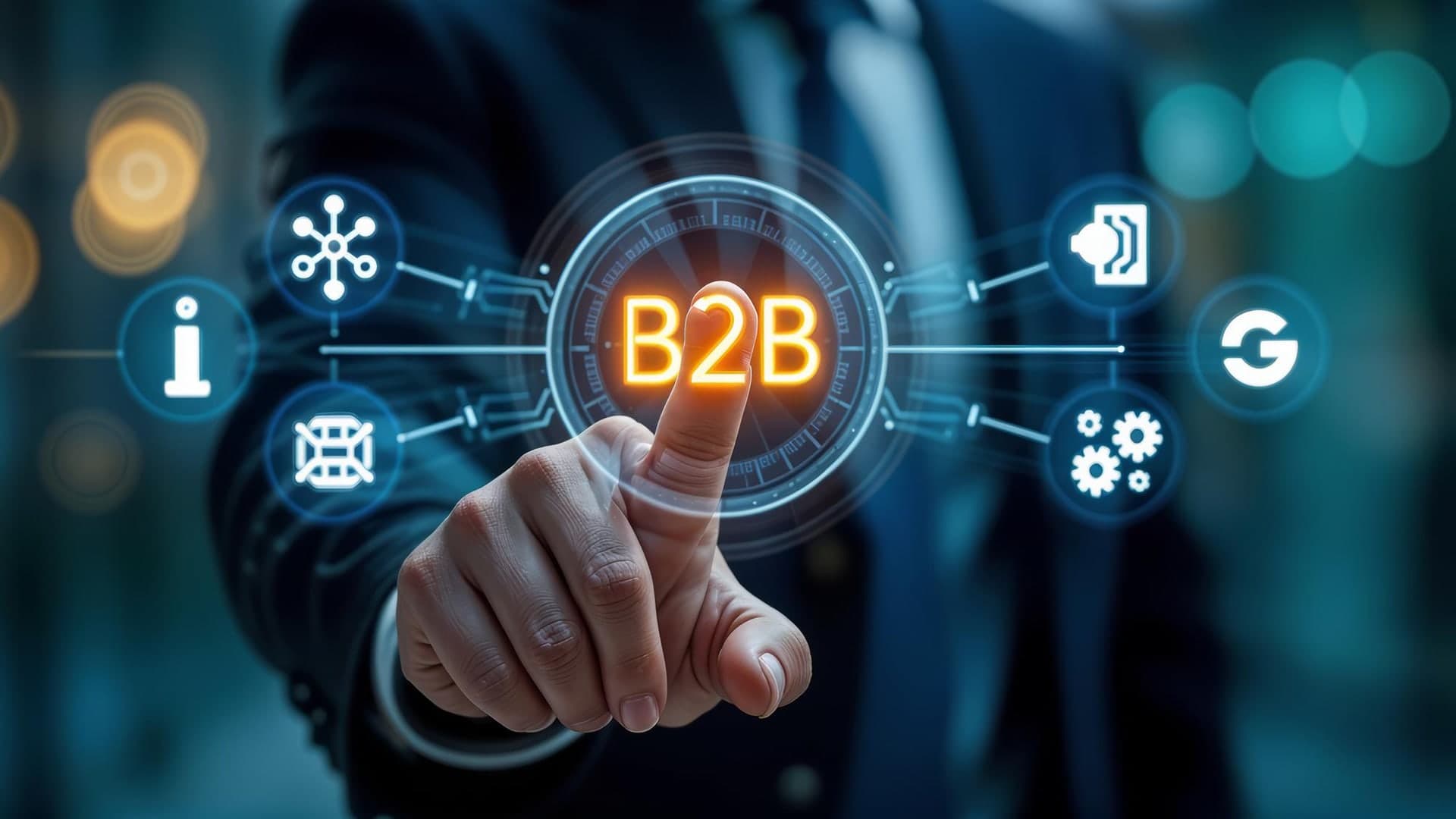
Most B2B buyers make up their mind before they ever book a call. Gartner’s research shows 61% of B2B buyers prefer a rep-free buying experience, and 73% actively avoid suppliers that send irrelevant outreach. That means your website, your messaging, and the overall feel of your brand are doing the heavy lifting early. If those pieces look unclear or inconsistent, buyers do not argue with you. They just quietly move on. This is exactly why B2B branding services matter. Done properly, they help you earn trust faster, reduce price pressure, and attract clients who want outcomes instead of endless negotiations.
Email is still one of the few channels where a small improvement can turn into real revenue. Litmus reports that, on average, email drives about $36 in ROI for every $1 spent. But here’s the frustrating part: plenty of newsletters still feel invisible. Opens are okay, clicks are weak, and replies are rare. That usually is not because “email is dead.” It’s because the newsletter is not giving people a strong reason to care, week after week.
Let’s turn your vision into reality. Partner with our team of creators, strategists, and engineers to build something extraordinary.