
Service businesses lose more time to booking problems than most owners realize. A customer wants to schedule an appointment, but the business is handling availability through phone calls, WhatsApp messages, Instagram DMs, emails, spreadsheets, or a shared calendar that only one person updates properly.
That is where mistakes begin.
A customer asks for 3 PM, but the slot is already taken. A staff member is booked during a break. A deposit is not collected. A reminder is never sent. A cancellation happens too late to fill the slot again. None of these issues look dramatic on their own, but together they create missed revenue, frustrated staff, and a weaker customer experience.
Customers now expect booking to be quick. They want to see available times, select a service, confirm the appointment, receive reminders, and reschedule without waiting for someone to reply. For a service business, that means a basic contact form is no longer enough.
Booking app development gives service businesses a better way to manage appointments, staff, payments, reminders, and customer communication in one system. The goal is not just to let customers choose a time slot. The goal is to build a booking experience that supports the way the business actually operates.
Why Service Businesses Need More Than a Basic Booking Form
A booking form can collect a name, phone number, and preferred time. That may look useful at first, but it does not manage the full booking process. It does not check real availability, assign staff, collect deposits, send reminders, update calendars, or handle cancellations.
A real booking system needs to connect the customer experience with the internal service workflow. Without that connection, the business still depends on manual coordination behind the scenes.
Customers Expect Instant Scheduling
Customers do not want to wait for a callback just to know whether a slot is available. If they are booking a salon appointment, home repair visit, consultation, fitness session, or clinic appointment, they expect the process to be simple.
They want to choose the service, see the available time, confirm the booking, and receive instant confirmation. If the process takes too long, many customers will move to a competitor that makes scheduling easier.
Staff Need Clear Visibility Into Their Day
The customer is only one side of the booking process. Staff members also need clear information.
They need to know who is booked, what service is requested, how long it will take, where the appointment is happening, whether payment has been made, and whether the customer added any notes. Without this visibility, staff may enter appointments unprepared.
A strong booking app gives staff a clear daily view instead of forcing them to rely on scattered messages.
Manual Booking Creates Avoidable Mistakes
Manual booking makes it easier to double-book slots, assign the wrong staff member, forget customer preferences, miss follow-ups, or schedule a service for the wrong duration.
These mistakes are not always caused by carelessness. They usually happen because the process depends on too many disconnected tools. Booking app development helps reduce these errors by turning booking rules into a structured system.
What Booking App Development Actually Includes
Booking app development is not just building a calendar screen. A complete booking app includes customer-facing booking flows, admin controls, staff scheduling, payments, reminders, customer profiles, and reporting.
The app should serve three groups at once: customers who book services, staff who deliver them, and business owners who manage operations.
Customer Booking Interface
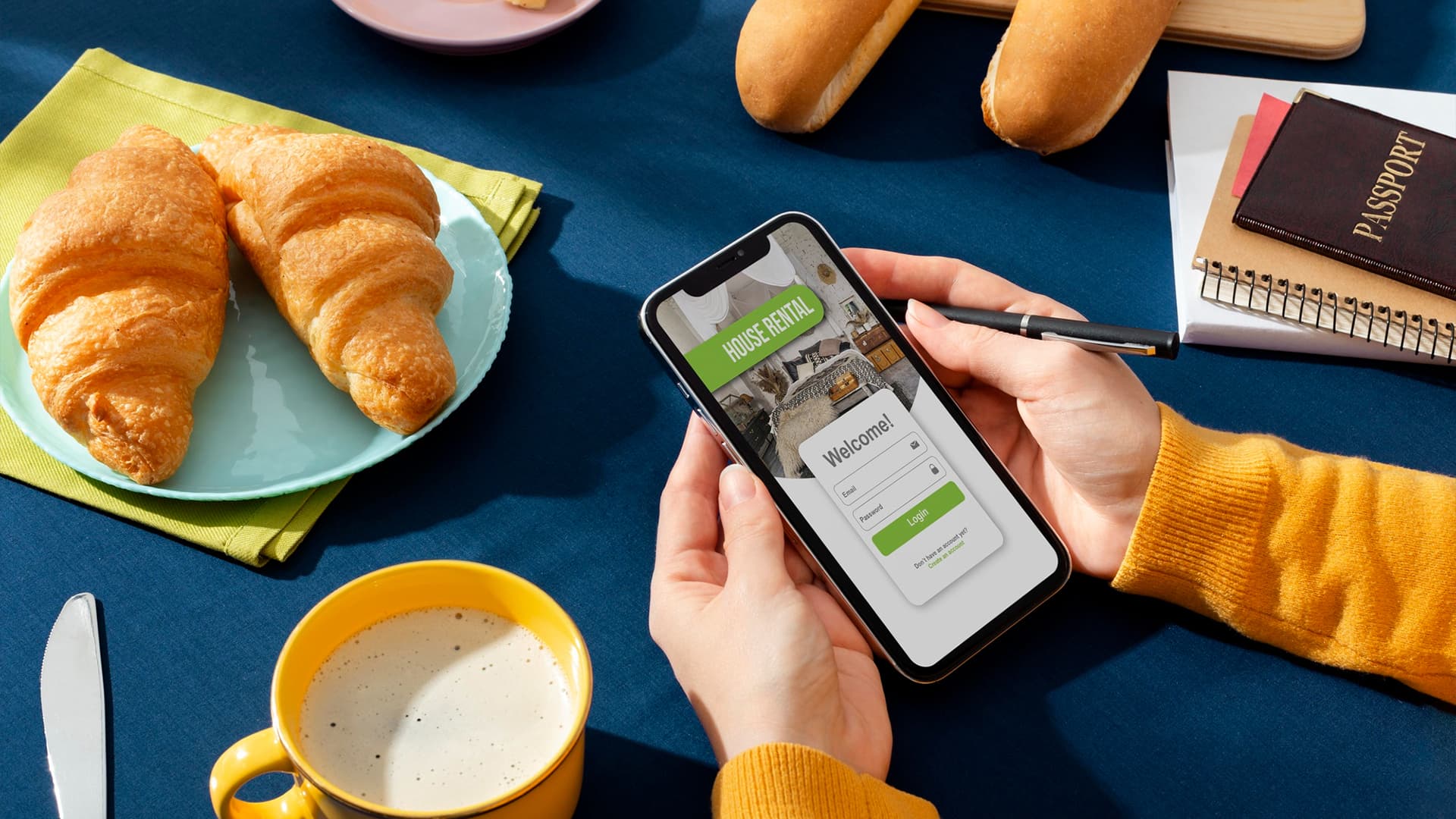
The customer booking interface is the part users see first. It should allow them to select a service, view available slots, choose a date and time, add required details, and confirm the appointment.
This flow should be simple, fast, and clear. If customers have to think too much, search too long, or fill out unnecessary fields, they may leave before completing the booking.
Admin Dashboard
The admin dashboard is where business owners and managers control the system. They should be able to update services, prices, staff availability, cancellation rules, customer records, and appointment settings without asking a developer for every change.
A strong admin dashboard turns the booking app into a business tool, not just a customer interface.
Staff Calendar and Assignment Logic
A booking app should help assign appointments to the right staff member. That assignment can be based on availability, service type, skill, location, workload, or customer preference.
For example, a beauty salon may assign hair color appointments only to specific stylists. A home service business may assign jobs based on service area and travel time. A clinic may assign appointments based on provider specialty.
Payment and Deposit Handling
Many service businesses lose revenue when customers book casually and do not show up. Payment features help reduce that risk.
A booking app can support deposits, full payments, cancellation fees, invoices, refunds, and payment confirmations. This is especially useful for businesses with limited appointment slots or high-demand services.
Notifications and Reminders
Notifications keep both customers and staff informed. These may include booking confirmations, reminder messages, payment alerts, cancellation updates, rescheduling notices, and staff notifications.
A reminder sent at the right time can prevent a missed appointment and protect the business from lost revenue.
Core Features Every Booking App Should Have
The right features depend on the type of service business, but some features are essential for almost every booking app. These features prevent scheduling problems and help the business deliver a smoother experience.
Real-Time Availability
Real-time availability is one of the most important parts of booking app development. Customers should only see time slots that are actually open.
If the app shows unavailable slots, double bookings become likely. If customers must wait for manual confirmation, the experience feels outdated. Real-time scheduling keeps the booking process accurate and immediate.
Service Selection With Clear Details
Each service should have a clear name, duration, price, description, location options, and preparation instructions where needed.
A customer booking a consultation, repair visit, spa treatment, or fitness session should understand exactly what they are choosing before confirming. Clear service details reduce confusion and help staff prepare properly.
Automated Confirmations
Once a booking is complete, both the customer and the business should receive confirmation. This confirmation should include the date, time, service, location, staff member if applicable, payment status, and cancellation policy.
Automated confirmations reduce uncertainty and give customers a record they can refer to later.
Easy Rescheduling and Cancellation
Cancellations and rescheduling are part of every service business. The problem is when they happen manually through multiple messages.
A booking app should allow customers to reschedule or cancel based on the business rules. Staff should receive automatic updates so the calendar stays accurate.
Customer Profiles and Booking History
Customer profiles help service businesses deliver better experiences. A profile may include past bookings, preferences, notes, payments, feedback, allergies, service history, or communication records.
This is useful for repeat customers because staff can understand past interactions without asking the same questions again.
Multi-Location or Mobile Service Support
Some service businesses operate from multiple branches. Others send staff to customer locations. A booking app should support the structure of the business.
For multi-location businesses, customers should be able to choose the right branch. For mobile service providers, the app may need service areas, addresses, travel time, and staff dispatch logic.
Features That Improve Revenue and Reduce No-Shows
A booking app should do more than organize the calendar. It should help protect revenue. Missed appointments, late cancellations, and abandoned bookings directly affect service businesses because time slots cannot always be recovered.
Deposits and Prepayments
Deposits make customers more committed to the appointment. They are especially useful for high-value services, limited slots, long appointments, and businesses with frequent no-shows.
Prepayments can also improve cash flow and reduce payment delays after the service is complete.
Reminder Sequences
A single reminder may not be enough. Many businesses benefit from reminder sequences, such as one reminder 24 hours before the appointment and another a few hours before.
These reminders can be sent through SMS, email, or push notification. The goal is simple: make it harder for customers to forget.
Cancellation Rules
Clear cancellation rules protect the business and inform the customer before they book. The app can show cancellation windows, refund terms, late fees, and rescheduling limits during the booking process.
This avoids confusion later because the customer agrees to the policy upfront.
Upsells and Add-On Services
A booking flow can also increase order value. Customers may add an upgrade, extra service, product, package, or extended session during checkout.
For example, a spa can offer an add-on treatment. A cleaning company can offer extra rooms. A consultant can offer a longer session. These options should feel helpful, not forced.
How Booking Apps Support Different Service Industries
Booking app development should adapt to the way each service business operates. A salon, clinic, fitness studio, repair company, and consulting firm do not need the same booking flow.
The app should reflect the service model, customer expectations, staff structure, and operational rules of the business.
Salons, Spas, and Beauty Services
Beauty businesses often depend on staff-based scheduling, service duration, add-ons, repeat appointments, and customer preferences.
A booking app by Trifleck can let customers choose a stylist, select a treatment, add services, and rebook a past appointment. Staff can also see notes such as preferred products, color formulas, or previous treatments.
Healthcare and Wellness Clinics
Clinics need a more careful booking experience. Appointment intake forms, provider availability, patient reminders, privacy rules, and follow-up bookings all matter.
The app may need to collect symptoms, reason for visit, insurance information, or patient consent before the appointment.
Fitness Studios and Personal Trainers
Fitness businesses often manage class bookings, capacity limits, memberships, recurring sessions, waitlists, and trainer availability.
A booking app can help members reserve classes, join waitlists, book personal training sessions, and manage recurring bookings.
Home Services and Field Teams
Home service businesses need more than a time slot. They need customer addresses, service details, travel time, staff assignment, arrival windows, and job notes.
For plumbers, cleaners, electricians, repair teams, and inspection services, the booking app should support mobile work and location-based scheduling.
Consultants and Professional Services
Consultants, coaches, agencies, lawyers, accountants, and other professional service providers often need discovery calls, paid consultations, calendar integrations, video meeting links, and document sharing.
A booking app can reduce back-and-forth and help prospects schedule serious conversations faster.
Restaurants, Events, and Rentals
Reservation-based businesses need capacity management. Restaurants need guest counts and time windows. Event businesses may need deposits and package selection. Rental businesses need availability tracking and return dates.
The app should prevent overbooking while making the reservation process clear for customers.
Integrations That Make Booking Apps More Useful
A booking app becomes stronger when it connects with the tools a business already uses. Without integrations, the app may create another isolated system that staff have to manage separately.
Good booking app development considers how appointments connect with calendars, payments, customer records, marketing tools, and internal operations.
Calendar Integrations
Calendar integrations help staff and managers stay aligned. The app can sync with Google Calendar, Outlook, Apple Calendar, or internal scheduling tools.
This prevents staff from checking multiple calendars and reduces the risk of missed or overlapping appointments.
Payment Gateway Integrations
Payment integrations allow businesses to collect deposits, full payments, cancellation fees, invoices, and refunds.
Common payment flows may include card payments, digital wallets, invoice links, and automatic receipts. The important part is that payment status stays connected to the booking record.
Admin Features Business Owners Should Not Ignore
Many booking apps focus heavily on the customer-facing flow and ignore the admin side. That is a mistake. The customer experience may look clean, but the business will struggle if owners cannot manage services, staff, pricing, and reports easily.
The admin dashboard determines whether the app is useful long term.
Service and Pricing Management
Business owners should be able to update service names, prices, durations, descriptions, packages, and availability rules without developer help.
Service businesses change often. Prices change, offers change, staff availability changes, and new packages are added. The admin panel should make those updates simple.
Staff Management
Staff management includes working hours, breaks, days off, assigned services, permissions, capacity, and appointment limits.
This is especially important for businesses where not every staff member can perform every service. The app should reflect real staff skills and schedules.
Reporting and Booking Analytics
Reporting helps owners understand performance. Useful metrics include booking volume, revenue, cancellation rate, no-show rate, popular services, peak booking times, repeat customers, and staff utilization.
These insights help businesses improve scheduling, pricing, marketing, and staffing.
Customer Communication Tools
A booking app should help businesses communicate before and after the appointment. This can include reminders, updates, follow-up messages, review requests, offers, and service instructions.
Good communication reduces confusion and improves retention.
Access Control and User Roles
Admins, managers, staff, front desk users, and finance teams should not all have the same permissions.
Access control protects customer data, payment details, staff information, and business settings. It also prevents accidental changes by users who only need limited access.
How to Plan Booking App Development Before Building
The success of booking app development depends on planning before design and coding begin. A business should understand the booking journey, operational rules, and customer expectations before choosing features.
Building too quickly without this clarity often creates an app that looks good but fails in daily use.
Define the Booking Journey
Start by mapping the customer path from service selection to confirmation and follow-up.
This includes how customers find the service, what details they need before booking, how they choose a time, what they receive after confirmation, and what happens after the appointment.
Map Business Rules First
Business rules should be defined before development starts. These include service duration, staff assignment, deposits, cancellation windows, refund terms, service areas, capacity limits, operating hours, and booking restrictions.
These rules shape how the app should work.
Decide Which Features Matter for the First Version
Not every feature needs to be built at once. The first version should focus on the biggest booking problems.
For many businesses, that means real-time availability, service selection, customer confirmation, staff calendars, payment handling, reminders, and admin controls.
Test With Real Booking Scenarios
Testing should include normal bookings, urgent bookings, cancellations, no-shows, repeat customers, multi-staff appointments, payment issues, and location-based requests.
Real scenarios show whether the app can support daily operations.
Plan for Growth
A booking app should be built with future growth in mind. The business may add more locations, more staff, new services, memberships, recurring bookings, loyalty features, or CRM integrations.
Planning ahead prevents the app from becoming outdated too quickly.
Conclusion
Booking app development is not only about giving customers a digital calendar. It is about building a complete system that helps service businesses manage availability, staff, payments, reminders, cancellations, and customer communication.
A good booking app reduces missed appointments, prevents double bookings, improves staff visibility, protects revenue, and gives customers the convenience they already expect.
The strongest booking apps are designed around real business rules. They do not rely on generic scheduling templates. They reflect how the business works, how customers book, and how teams deliver the service after the appointment is confirmed.
For service businesses that want fewer booking mistakes and a smoother customer experience, booking app development is no longer just a useful upgrade. It is part of building a more organized and scalable business.
Frequently Asked Questions
Can booking app development include both appointments and product sales?
Yes. A booking app can include service appointments and product sales if the business sells add-ons, kits, memberships, consultation materials, or service-related products. For example, a salon can sell haircare products during booking, while a fitness coach can sell meal plans with training sessions.
How can a booking app handle staff breaks and unavailable hours?
A booking app can block staff breaks, days off, holidays, personal leave, and unavailable hours inside the staff calendar. Customers will only see open slots that match the staff member’s actual working schedule.
Can customers choose a specific staff member when booking?
Yes. Booking app development can include a staff selection feature if the business allows customers to choose a preferred provider. The app can also hide staff selection when the business wants appointments assigned automatically.
How does a booking app manage recurring appointments?
A booking app can let customers book repeat appointments daily, weekly, biweekly, or monthly. This is useful for therapy sessions, personal training, cleaning services, tutoring, coaching, and other services that happen on a regular schedule.
Can a booking app support waitlists for fully booked slots?
Yes. A waitlist feature lets customers join a list when a preferred time is unavailable. If someone cancels, the app can automatically notify the next customer in line or allow the business to approve the replacement manually.
Should a booking app require customers to create an account?
Not always. For simple bookings, guest checkout can reduce friction. Account creation is more useful when customers need booking history, memberships, saved payment methods, loyalty points, or recurring appointments.
Can booking app development include location-based pricing?
Yes. A booking app can calculate pricing based on customer location, travel distance, service area, branch, or on-site visit requirements. This is useful for home services, mobile beauty services, repair companies, and delivery-based service businesses.