
Approvals are one of the quietest bottlenecks inside a growing business. A request may seem simple on the surface. Someone needs a purchase approved, a campaign reviewed, a contract checked, or a document signed off before the next step can happen. But the actual process often moves through email threads, Slack messages, spreadsheets, shared folders, and verbal reminders.
That is where the delay begins.
The problem is rarely the decision itself. Most approval problems come from unclear ownership, missing context, scattered communication, and no reliable way to see where the request stands. One person thinks finance has it. Finance is waiting for a manager. The manager needs more details. The requester keeps following up because no one knows what happened last.
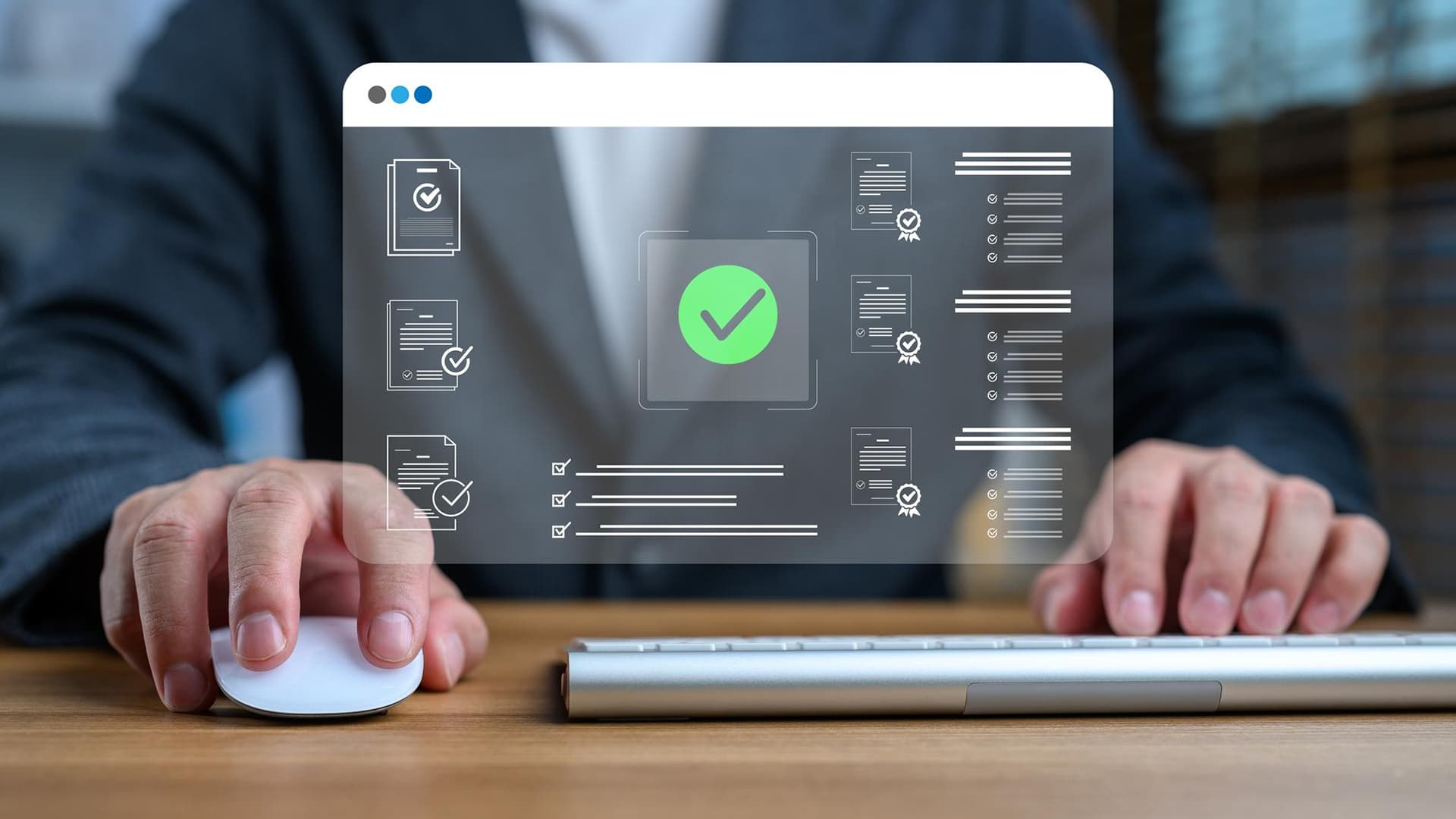
Approval workflow software solves this by turning requests, reviews, and sign-offs into a structured process. It gives every request a clear path, assigns the right reviewers, tracks status, stores history, and reduces the manual chasing that slows teams down.
The goal is not to make decisions robotic. The goal is to make the process around those decisions easier to trust.
Why Manual Approvals Break Down as Teams Grow
Manual approvals can work when a company is small and everyone sits close to the work. A quick message, a short email, or a direct conversation may be enough. But that approach starts to break when more departments, budgets, documents, clients, and decision-makers enter the process.
The approval itself may still be simple. What becomes complicated is knowing who needs to review it, what information they need, whether the request has changed, and when the final sign-off happened.
Requests Get Lost Across Too Many Channels
In many teams, a request starts in one tool and finishes in another. A marketing asset may be shared in Google Drive, discussed in Slack, approved over email, and updated in a project management tool. A purchase request may begin in a spreadsheet, move to finance by email, and then require executive sign-off in a separate message.
That creates a weak approval trail. People may remember that something was approved, but they cannot easily prove who approved it, what version was approved, or what conditions were attached.
Reviewers Do Not Always Know What They Are Approving
Decision-makers often receive incomplete requests. A manager may get a budget approval without the vendor quote. Legal may receive a contract without business context. A marketing lead may review a campaign without knowing the audience, offer, or deadline.
This creates avoidable back-and-forth. The reviewer asks for more information, the requester sends another message, and the request sits while everyone waits for the missing details.
Follow-Ups Become a Full-Time Task
When approvals are manual, someone has to keep asking for updates. That person may be a project manager, coordinator, department lead, or the employee who submitted the request.
This follow-up work looks small, but it adds up quickly. Teams lose time asking who has approved, who still needs to respond, whether the request is blocked, and what should happen next. Approval workflow software reduces that friction by making the status visible without requiring constant reminders.
What Approval Workflow Software Actually Does
Approval workflow software is a digital system that moves requests through predefined steps based on rules, roles, conditions, and required actions. Instead of relying on people to remember the process, the software guides the request from submission to final decision.
It can manage purchase requests, content reviews, contract approvals, HR forms, IT access requests, compliance checks, and many other repeatable decisions.
It Turns Requests Into Trackable Workflows
Every request gets a status. That status may be pending, under review, approved, rejected, returned for changes, or waiting for more information.
This makes the process easier to manage because people no longer need to search through messages to understand where things stand. The request itself becomes the source of truth.
It Routes Work to the Right People Automatically
Routing is one of the main reasons businesses adopt approval workflow software. The system can send requests to the right reviewer based on department, budget amount, request type, location, risk level, or approval authority.
For example, a software purchase under $1,000 may only need a department manager. A purchase above $10,000 may need finance, procurement, and executive review. The requester should not have to know every rule. The workflow should handle that logic.
It Keeps the Approval History in One Place
Approval history matters when teams need accountability. A proper workflow keeps comments, timestamps, file versions, approvals, rejections, and changes attached to the request.
This is especially important for finance, legal, compliance, procurement, and client-facing work. If a question comes up later, the business can see what happened instead of relying on memory.
It Reduces Repetitive Admin Work
Automated reminders, status updates, request templates, escalation rules, and approval notifications reduce the amount of manual coordination required.
This does not remove people from the decision. It removes the repetitive admin work around the decision. So, when you hire Trifleck, you are reducing the repetitive tasks,
The Types of Requests That Benefit Most From Automation
Not every approval needs a complex workflow. A small, low-risk decision may only need a quick manager sign-off. But repeatable, high-volume, high-value, or risk-sensitive requests benefit from structure.
The more often a request happens, and the more people involved, the stronger the case for automation.
Purchase and Budget Requests
Purchase approvals are one of the clearest use cases for approval workflow software. Vendor purchases, software subscriptions, invoice approvals, equipment requests, and procurement forms all depend on clear spending rules.
A structured workflow can route requests by amount, department, vendor type, or budget category.
Content and Marketing Reviews
Marketing teams often need approvals for campaigns, ads, landing pages, blog posts, social media content, brand assets, email copy, and client-facing materials.
Without a clear process, teams may publish the wrong version, miss legal review, or wait too long for feedback. A workflow helps reviewers comment, approve, or request changes in one place.
HR and Employee Requests
HR teams handle leave requests, onboarding forms, hiring approvals, equipment needs, role changes, policy exceptions, and employee documents.
These requests often involve sensitive information, so the process needs clear permissions and proper recordkeeping.
Legal and Compliance Reviews
Contracts, policy changes, data access requests, vendor agreements, and compliance documents need documented approval paths.
A scattered approval process can create risk because the business may not be able to show who reviewed the document, what changes were made, or when approval was granted.
IT and Access Requests
IT teams often manage software permissions, security reviews, device requests, access changes, and internal support approvals.
Automating these requests helps prevent delays and reduces the risk of giving the wrong person access to the wrong system.
Why Approval Bottlenecks Cost More Than Time
Approval delays do more than slow people down. They affect revenue, compliance, employee productivity, client delivery, and internal trust.
A request stuck for three days can delay a campaign, block a purchase, slow a hire, pause a client project, or create unnecessary pressure near a deadline.
Delayed Decisions Slow Down Delivery
When approvals sit with one person too long, work loses momentum. The team may be ready to move, but the next step cannot happen until someone signs off.
This is especially damaging in fast-moving teams where campaigns, product updates, client deliverables, or procurement timelines depend on quick decisions.
Informal Approvals Create Risk
Informal approvals may feel faster, but they create weak documentation. A verbal yes or a scattered chat message may not be enough when a decision is questioned later.
For regulated teams, client work, financial approvals, or legal reviews, the approval record matters as much as the approval itself.
Lack of Visibility Creates Friction Between Teams
When no one knows where a request stands, frustration builds. The requester thinks the reviewer is ignoring it. The reviewer may be waiting for missing information. Another team may be blocked without knowing why.
A structured workflow shows where the request is and who owns the next action. That visibility reduces confusion and blame.
Rework Increases When Review Steps Are Unclear
When review steps are unclear, work may be approved too early or rejected too late. A design may be finalized before brand review. A contract may reach the client before legal feedback. A purchase may move forward before finance checks the budget.
Clear workflows reduce rework by making the right review happen at the right time.
Core Features to Look for in Approval Workflow Software
The best approval workflow software is not just a digital form. It should support intake, routing, reviews, notifications, permissions, integrations, reporting, and audit history.
A tool that only collects requests but does not manage the decision path will still leave teams doing too much work manually.
Custom Approval Paths
Different requests need different approval paths. A small internal request should not follow the same process as a high-value contract or major budget approval.
Custom paths allow each team to build workflows that match how decisions are actually made.
Conditional Logic
Conditional logic lets the workflow change based on the request details.
For example, a content request may only need a marketing manager if it is internal, but it may need legal review if it includes claims, customer data, or public-facing promises. This makes the process smarter without making it harder for users.
Role-Based Permissions
Permissions control who can view, edit, approve, reject, or delete a request. This is important when workflows include sensitive data such as salaries, contracts, budgets, client records, or internal policies.
A good system should protect information while still giving the right people enough context to decide.
Automated Reminders and Escalations
Requests often stall because people miss notifications or forget to respond. Automated reminders keep approvals moving without requiring manual follow-up.
Escalation rules can move urgent or overdue items to another person when needed.
Comments, Attachments, and Version Control
Reviewers need context. That may include documents, files, briefs, quotes, contracts, screenshots, or previous versions.
Keeping comments, attachments, and version history inside the workflow prevents confusion about which file was reviewed and what feedback was applied.
Reporting and Audit Trails
Reporting helps leaders see how approvals actually move through the business. They can identify slow reviewers, unclear steps, common rejection reasons, overloaded teams, and request types that need a better process.
Audit trails also support accountability when decisions need to be reviewed later.
How Approval Workflow Software Fits Into Existing Business Systems
Approval workflow software becomes more valuable when it connects with the tools teams already use. It should not create another isolated system where work gets stuck.
The best setup brings approvals closer to project work, financial systems, communication platforms, and internal dashboards.
Connecting With Project Management Tools
Approvals often affect tasks, campaigns, tickets, product updates, or client deliverables. Connecting workflows with project management tools helps teams see approval status without switching between too many systems.
This keeps the approval process tied to the work it affects.
Connecting With Finance and Procurement Systems
Budget approvals, purchase orders, vendor requests, and invoice approvals become easier when approval workflows connect with finance and procurement tools.
This reduces duplicate entry and helps finance teams maintain cleaner records.
Connecting With Communication Platforms
Approvers should not have to log into a system repeatedly to know something needs attention. Notifications through email, Slack, Microsoft Teams, or internal dashboards help keep requests visible.
The important point is balance. Notifications should be clear enough to prompt action without becoming noise.
How to Build an Approval Workflow That Actually Works
Automation only works when the process is clear before it is digitized. A messy manual process does not improve just because software is added.
A strong workflow starts with the business rule, then uses technology to support it.
Start With the Request Type
Each workflow should begin with a specific request category. A purchase approval, content review, contract review, and IT access request should not be treated the same way.
Clear request types make it easier to define the right fields, reviewers, deadlines, and approval paths.
Define Required Information Upfront
A request form should collect the information reviewers need before the request is submitted. This may include budget, deadline, department, business reason, supporting files, risk level, or client impact.
The more complete the intake step, the less back-and-forth happens later.
Map the Reviewers and Decision Points
Before building the workflow, identify who reviews, who approves, who gives final sign-off, and what conditions change the path.
This step prevents unclear ownership. Every stage should have a purpose.
Set Deadlines and Escalation Rules
Deadlines help keep approvals moving. Escalation rules should explain what happens when a request is overdue.
The goal is not to pressure people unnecessarily. The goal is to prevent requests from disappearing.
Test the Workflow With Real Requests
Testing should include normal requests, urgent requests, rejected requests, incomplete requests, and unusual cases.
This shows whether the workflow works under real conditions, not just in a clean demo.
Review Performance After Launch
After launch, teams should review how the workflow performs. If requests stall at one step, forms are confusing, or approvals still happen outside the system, the workflow needs adjustment.
A good approval workflow software setup improves over time.
Conclusion
Approval workflow software helps businesses move faster without losing control. By structuring requests, clarifying responsibilities, and keeping decisions visible, teams can reduce delays, avoid confusion, and improve accountability. The right system automates approvals and strengthens how work flows across the organization. When implemented thoughtfully, it becomes a reliable foundation for better decision-making and smoother operations.
Frequently Asked Questions
How do approval workflows handle urgent requests?
Approval workflows can handle urgent requests by using priority fields, shorter deadlines, and escalation rules. For example, an urgent software access request can be routed to the IT manager immediately instead of waiting in the normal queue.
Can approval workflow software stop duplicate requests?
Yes. Approval workflow software can reduce duplicate requests by giving every submission a tracking ID, visible status, and request history. This helps employees check whether a request already exists before submitting the same thing again.
What happens if an approver is unavailable?
A good approval system should allow backup approvers, delegation rules, or automatic reassignment. This prevents requests from getting stuck when a manager is on leave, traveling, or unavailable.
Can approval workflow software support multi-level approvals?
Yes. Approval workflow software can support multi-level approvals where a request moves through several reviewers before final sign-off. This is common for high-value purchases, legal documents, hiring approvals, and compliance-sensitive requests.
How should businesses decide which approvals to automate first?
Businesses should start with approvals that are frequent, delayed often, or hard to track manually. Purchase requests, content reviews, contract approvals, IT access requests, and leave approvals are usually strong starting points.
Can approval workflow software be used for client approvals?
Yes. Approval workflow software can be used for client approvals if the system supports external reviewers, secure sharing, comments, file attachments, and version control. This is useful for agencies, consultants, design teams, and service providers.
How does approval workflow software help with audits?
Approval workflow software helps with audits by keeping a record of who submitted the request, who reviewed it, who approved or rejected it, when each action happened, and what files or comments were attached. This creates a clear decision history.