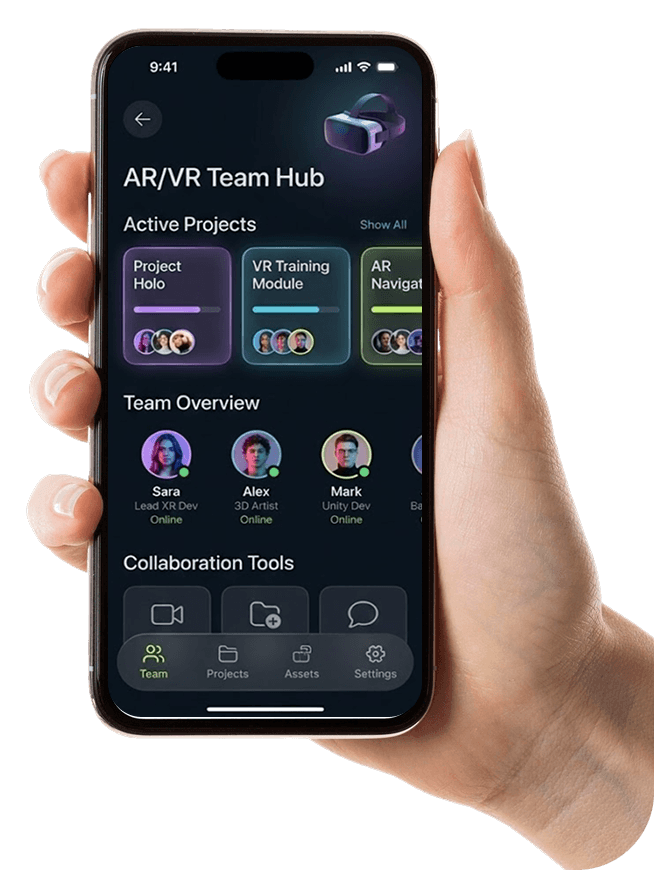
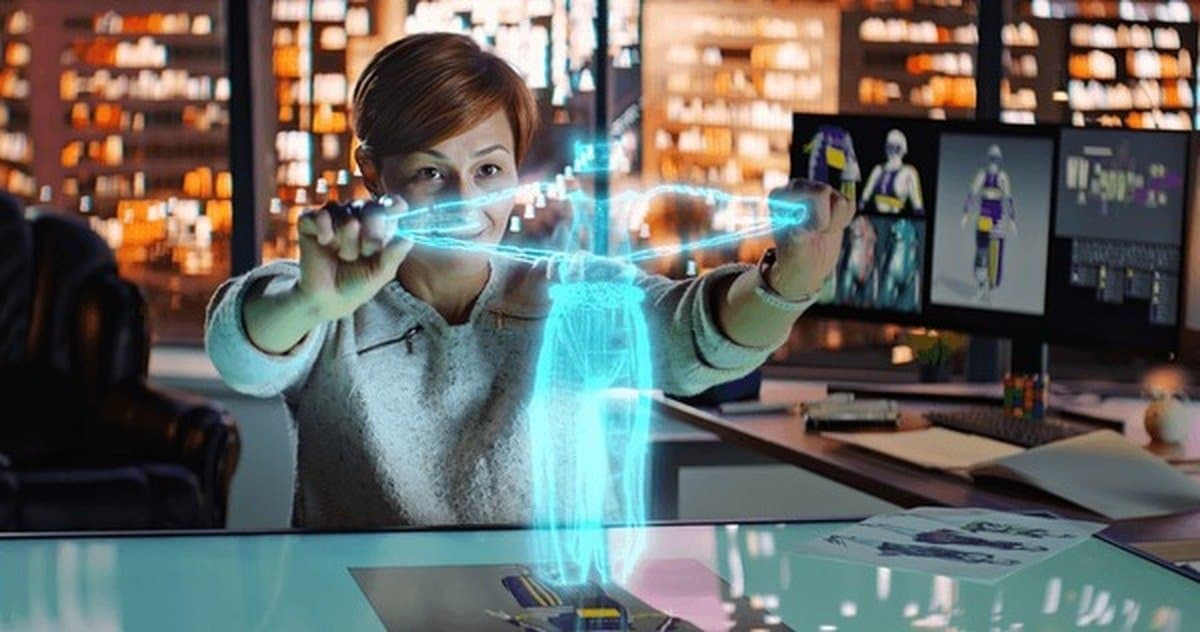
AR (Augmented Reality) adds digital elements to the real world, think Pokémon GO or IKEA’s virtual furniture planner. VR (Virtual Reality), on the other hand, creates a fully digital environment, like Beat Saber or VR training simulations. Both require specialized skills in 3D modeling, interaction design, and performance optimization.
Developing AR and VR games isn’t like traditional game development. It demands expertise in spatial mapping, motion tracking, and high FPS optimization to ensure smooth, realistic experiences. Without these, games can feel clunky, unnatural, or frustrating, leading to poor engagement and low retention.
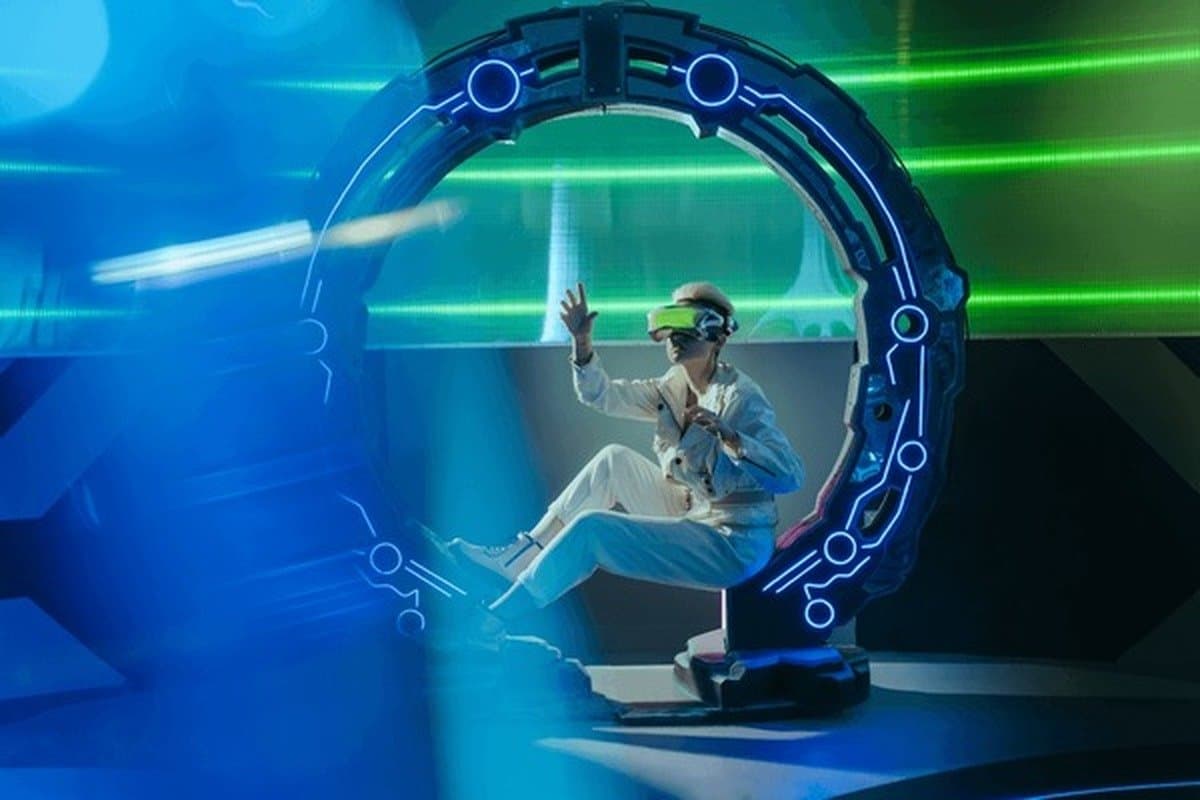
AR VR develoment isn’t just for gaming. Industries like education, healthcare, military, and marketing use immersive game development for training, simulations, and brand engagement.
- Medical students practice surgeries in VR simulations.
- Retail brands use AR interactive games to boost customer engagement.
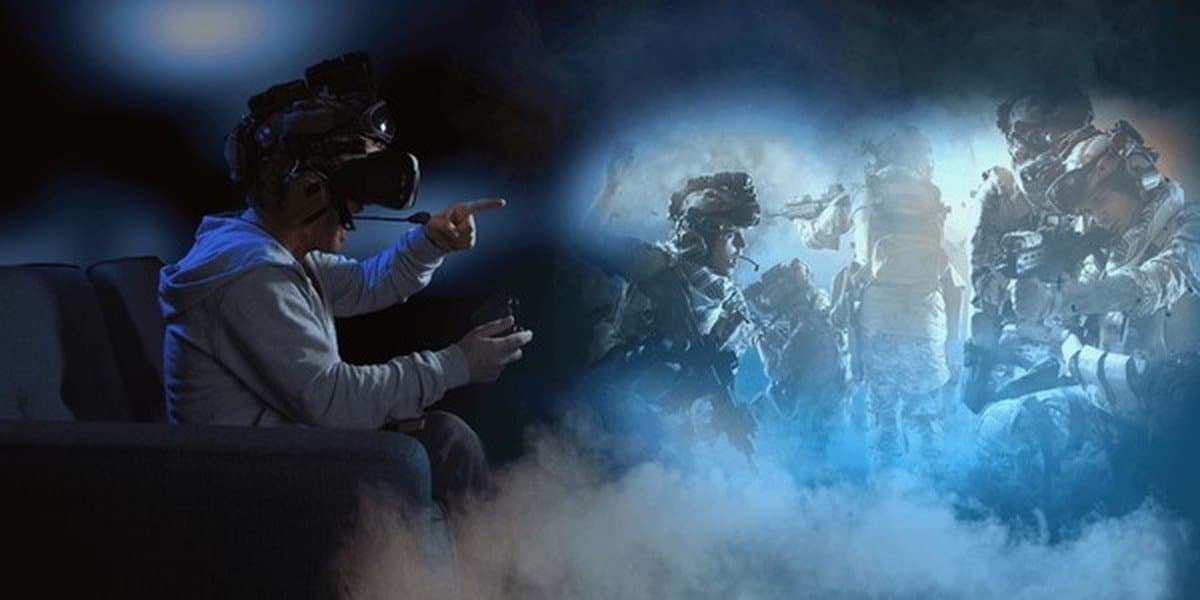
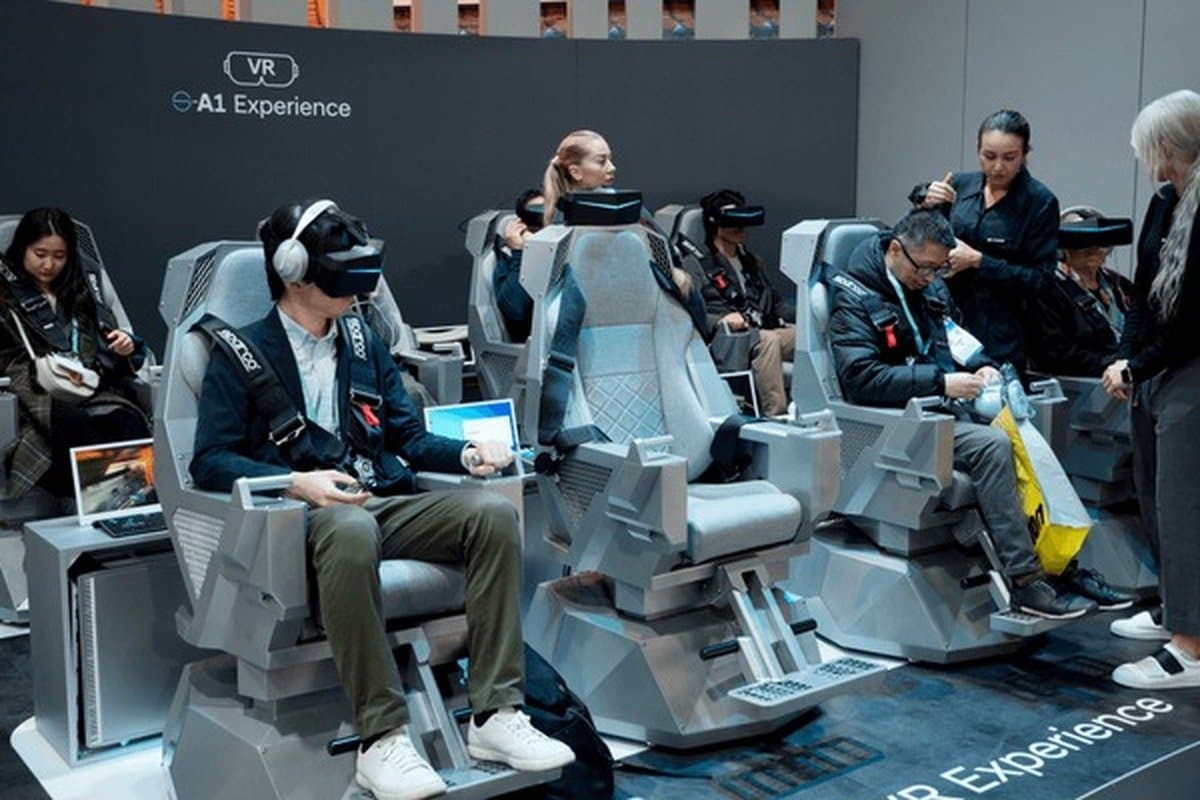
- Military and aviation rely on VR training for risk-free, realistic drills.
With the global AR/VR market projected to reach $300 billion by 2027, now is the perfect time to invest in AR VR solutions that engage, educate, and entertain.



![Understanding the Power of,[object Object],](/_next/image?url=%2Fservices%2Ftier2%2Far-and-vr-game-development%2Fcontent-image.png&w=1920&q=75)

![The Engines & Tools, ,[object Object],](/_next/image?url=%2Fservices%2Ftier2%2Far-and-vr-game-development%2Fcontent-image-2.jpg&w=1920&q=75)
![Why Trifleck Stands Out in, ,[object Object],](/_next/image?url=%2Fservices%2Ftier2%2Far-and-vr-game-development%2Fcontent-image-3.jpg&w=1920&q=75)