
01
Schools and Academic Institutions
We help schools use AI in education to support students more effectively, reduce repetitive staff workload, and improve visibility into learning progress across day-to-day academic operations.
We build AI for education solutions that help learning platforms, institutions, and EdTech products deliver smarter learning experiences, better student support, and more efficient academic workflows. From adaptive learning tools and AI tutoring systems to performance tracking, we develop education-focused AI products that are built to work inside real learning environments.

Different home service businesses do not need the exact same website structure. The way a plumbing company earns trust is not identical to how a cleaning company or roofing business earns it. That is why our service approach starts with the kind of business you run and the way your customers actually search, compare, and reach out.
We help schools use AI in education to support students more effectively, reduce repetitive staff workload, and improve visibility into learning progress across day-to-day academic operations.
For higher education, we build systems that support large student populations through better advising workflows, performance insights, digital support tools, and stronger learner guidance.
We develop AI edtech solutions that strengthen platform capability through tutoring systems, AI learning assistants, recommendation logic, intelligent content support, and engagement-focused product features.
For e-learning businesses and digital learning products, we build AI for e-learning that improves learner flow, support, personalization, and course progression across self-serve educational environments.
We've spent 15 years mastering the art of rapid product development. Our streamlined process delivers exceptional solutions with unmatched speed.
We begin by understanding what the product needs to improve. That can include learner support, assessment workflows, course discovery, personalization, or student performance visibility. At this stage, we define the user roles, target workflow, business goals, success metrics, and the scope of the build.
Once the use case is clear, we plan the product structure, feature logic, user flows, and technical direction. This is where we shape how the solution will work across the platform, including interfaces for students, educators, admins, or internal product teams.
For any education-focused AI product, the quality of the data matters. We review available data sources, identify what can support the solution, and prepare a plan for inputs such as learning history, course behavior, assessment activity, interaction logs, or content structure.
This is where the intelligence layer takes shape. Depending on the use case, we develop logic for an AI tutoring system, AI quiz generator, AI course recommendation system, learner assistance, or other education-focused functionality that supports the product goal.
After the AI capability is defined, we build the product layer around it. That includes front-end and back-end development, workflow setup, dashboards, interfaces, APIs, and integration with existing LMS, e-learning, reporting, or platform systems where needed.
Before launch, we test the full solution across functionality, usability, performance, and output quality. We also review how the AI behaves in real user scenarios so the final product is more reliable, more useful, and easier to adopt across educational environments.
Once approved, we deploy the solution into the live environment and support the rollout. This includes launch checks, system alignment, and early-stage monitoring to make sure the product performs properly in the real learning or platform setting.
After launch, we use feedback, usage patterns, and product performance to refine the system over time. This helps improve output quality, platform fit, and long-term value as the product, users, and learning workflows evolve.
Explore our portfolio of successful projects that showcase our expertise in delivering innovative solutions across various industries.
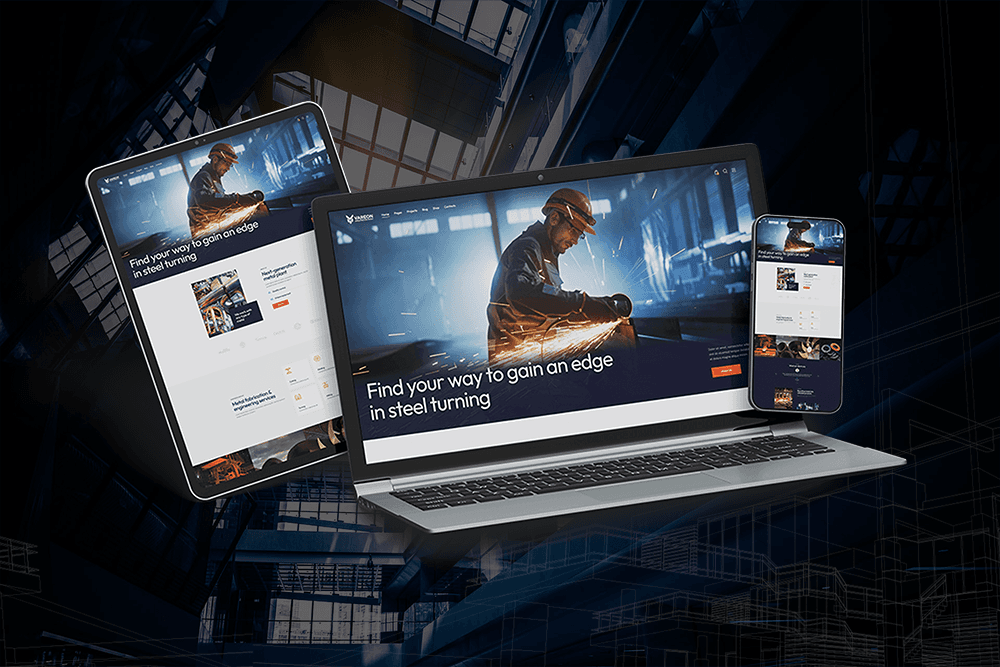
A modern corporate website for a regional infrastructure and engineering firm, redesigned to reflect Vareon's large-scale highway, bridge, and industrial park projects while integrating with internal systems for clearer client, partner, investor, and talent communication.
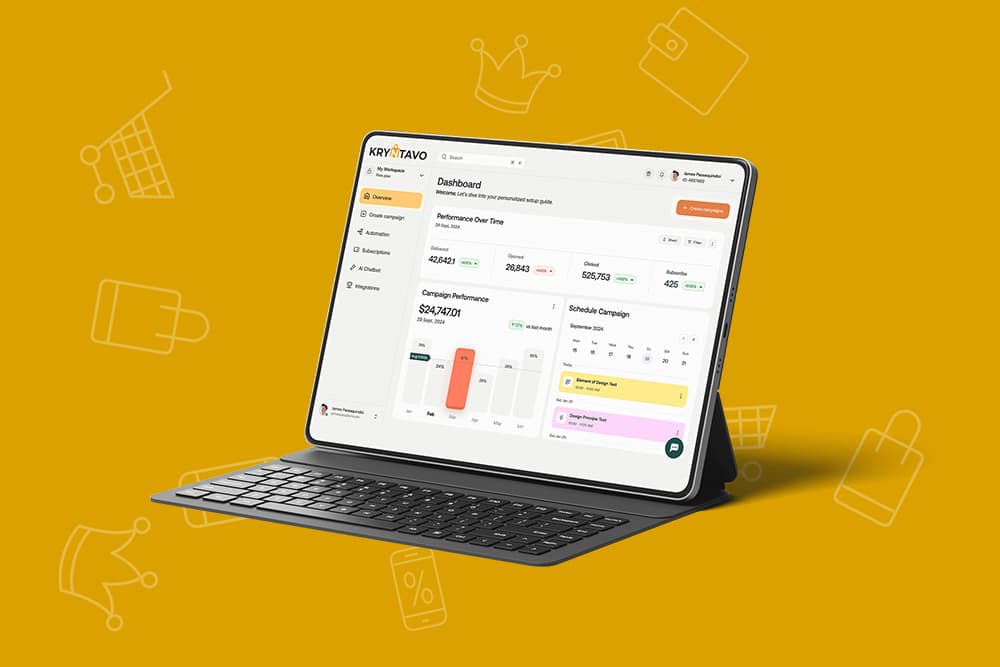
Kryntavo Commerce Labs is a fast-growing e-commerce brand managing thousands of daily customer interactions across multiple product categories. Before working with Trifleck, their data lived in scattered spreadsheets, inboxes, and third-party tools, leaving teams without a unified view of customers, orders, support history, or retention performance. They needed a centralized CRM platform to bring clarity, consistency, and real-time visibility to the entire customer journey.
From concept to launch, we're your trusted partner in building exceptional EdTech Solutions. Our team of seasoned engineers combines creativity with technical prowess.
Our comprehensive skill set covers every aspect of EdTech development, ensuring a seamless process.
We embrace flexibility and rapid iteration to deliver value quickly.
Your data is our priority. We implement robust security measures to protect your digital assets.
Our portfolio showcases a history of successful projects and satisfied clients.
Find answers to common questions about our process, approach, and what to expect.
In most cases, it can work inside an existing LMS if the platform has the right integration flexibility. Many teams start by adding features like quiz generation, recommendations, chatbot support, or performance insights without rebuilding the full learning environment.
It usually looks at a mix of learner behavior, completed modules, performance patterns, interests, goals, and content relationships. The better systems do not just push popular content. They guide users toward courses or lessons that make sense for where they are in the learning journey.
A chatbot is useful for common questions, navigation help, deadlines, onboarding, and basic support handling. But if the goal is deeper academic assistance, guided learning, or subject understanding, teams usually need something more advanced than a standard support bot.
It does not need to predict everything perfectly to be valuable. It becomes useful when it helps educators or platform teams spot meaningful patterns earlier, such as drop in activity, incomplete coursework, repeated struggle areas, or signs that a learner may need intervention.
Yes, if it is built with quality controls and the right instructional logic. A good AI quiz generator can create variations, adjust question difficulty, support different formats, and reduce manual effort while still allowing teachers or content teams to review the output before release.
That depends on the use case, but common inputs include course structure, lesson metadata, learner activity, past assessments, progress history, and content relationships. You do not always need massive datasets at the start. In many cases, a focused feature can begin with structured content and platform behavior data.
The strongest approach is to build guardrails into the system from the start. That can include scoped knowledge sources, answer restrictions, human review rules, fallback responses, and clear limits on when the system should guide, suggest, or escalate instead of pretending to know everything.
Basic automation handles fixed rules. AI in e-learning can adapt content, guide decisions, respond to learner behavior, and improve recommendations based on usage and outcomes.
Have a project in mind? Trifleck can help you plan, build, and grow the right digital solution for your business. Whether you need an app, website, software platform, automation system, or complete digital strategy, our team is ready to help.
Real partnerships are built on clear communication, practical execution, and work that supports the business after launch. Hear from clients who trusted Trifleck to help bring their digital projects to life.