More traffic is not always the missing piece. A lot of businesses already have visitors coming in through search, social media, referrals, ads, or direct brand searches. The real problem is what happens after those people land on the site. They look around, feel unsure, get distracted, or cannot find the right next step.
Most websites do not need more power. They need clearer code, faster loading, better UX, and fewer things breaking on mobile.
Most people do not struggle with software budgeting because they are careless. They struggle because pricing gets presented in a vague, slippery way. One agency says a product will cost $30,000. Another says $180,000. A freelancer gives an hourly estimate. A consultancy talks in phases. Somebody else says “it depends,” which is technically true and still not very helpful.
Mobile games attract abuse fast. If a title has rankings, rewards, competitive matches, in-app purchases, referral bonuses, or a tradeable economy, someone will try to exploit it. Sometimes it looks like cheating in gameplay. Sometimes it looks like fake installs, promo abuse, scripted accounts, refund loops, or tampered builds. In practice, those problems often overlap.
Nobody remembers a multiplayer game for its settings menu. They remember how it felt when the action started. The shot that should have landed but did not. The character that rubber-banded back into danger. The fight that looked clean on one screen and broken on another. That is usually the moment players stop blaming themselves and start blaming the game.
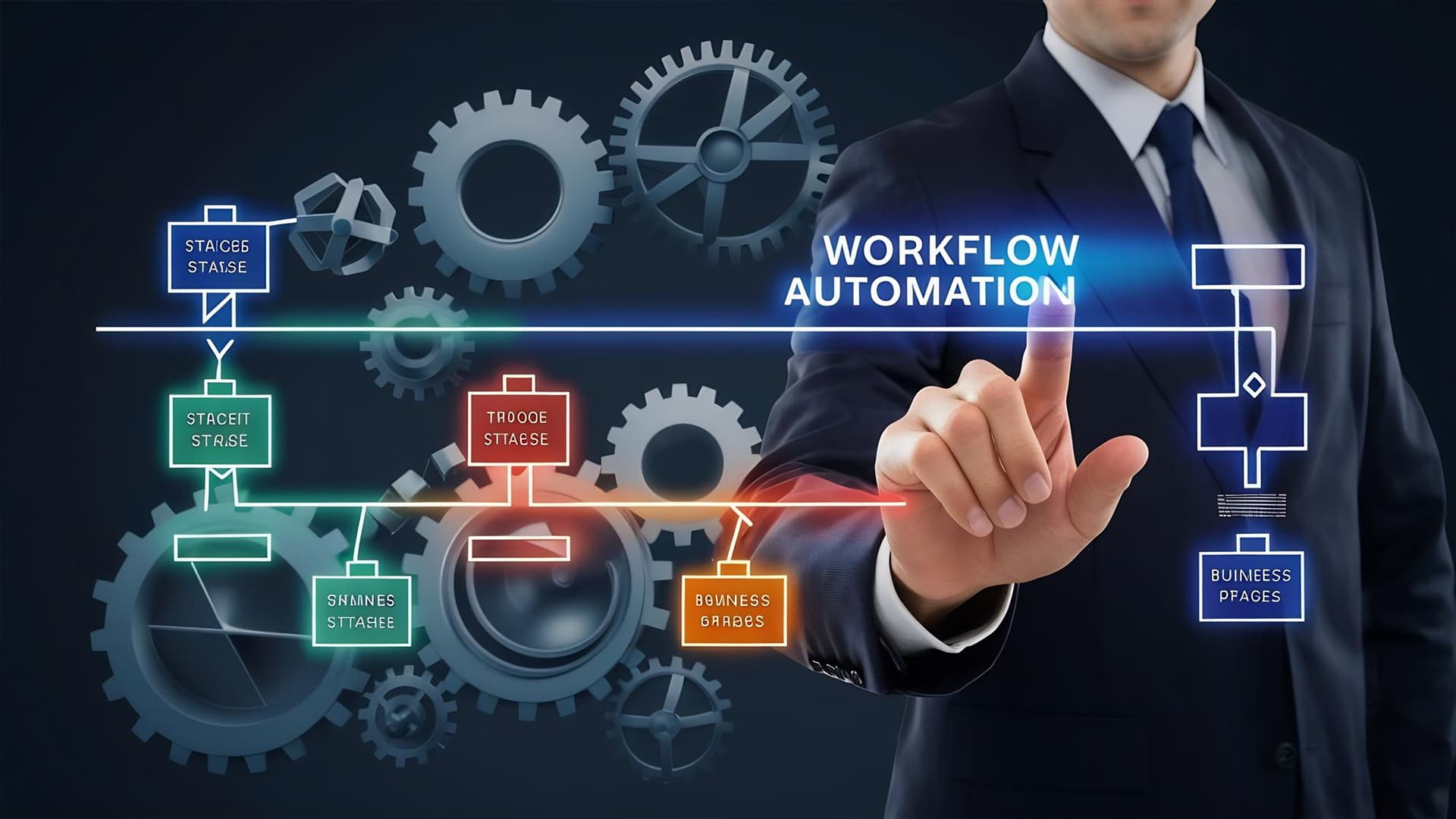
Every growing business reaches the same point sooner or later. The team gets bigger, customer requests increase, internal approvals start stacking up, and suddenly too much of the day is spent on repetitive work. Not strategic work. Not creative work. Just manual tasks that eat time and create room for mistakes.
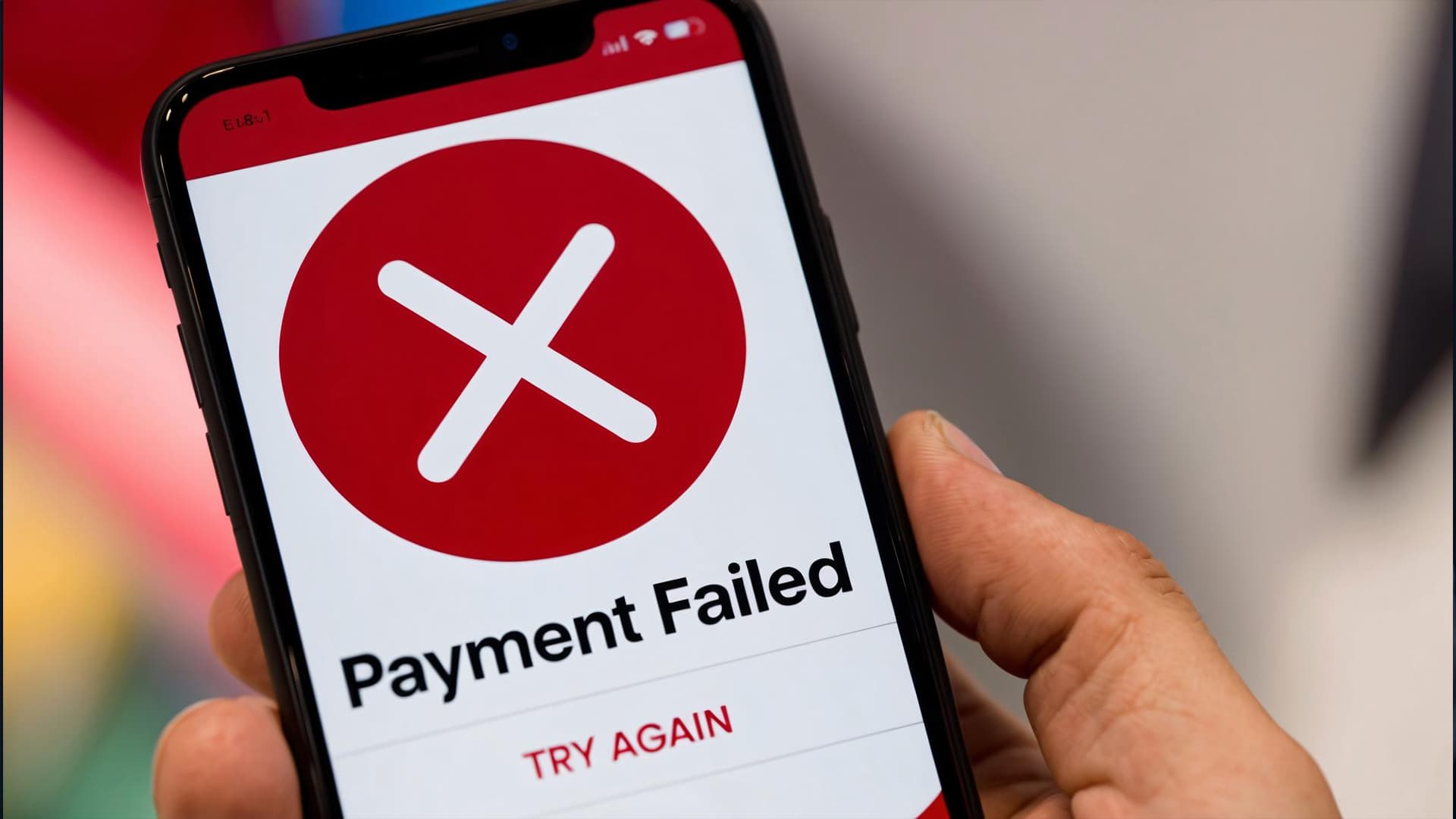
Adding payments to an app sounds like a product task. In reality, it is part product, part platform compliance, part UX, and part release management. That is exactly why teams get this wrong.
If you want the practical answer first, here it is: successful API integrations rarely fail because the API itself is broken. They fail because teams skip structured validation across security, request discipline, and testing coverage.
If you have ever opened your own app and felt like something is slightly off, you are not alone. The product technically works. The features are there. But users hesitate, screens feel heavy, and engagement slowly declines.
A mobile game does not really prove itself at launch. It proves itself in week two, week six, and month three, when the novelty wears off and players decide whether the game deserves a place in their daily routine.
If you want the honest answer first, here it is: reducing lag in online games usually means fixing the specific layer that is delaying the experience, not chasing one vague “lag” problem. On mobile, that often means stabilizing frame pacing and controlling thermal throttling. On the web, it often means cutting long main-thread tasks and reducing rendering work. In multiplayer, it usually means dealing with latency, jitter, packet loss, server tick discipline, interpolation, and region selection together instead of one by one. That is the real starting point for a strong game lag fix guide.
Most businesses do not pick the wrong website platform because they lack information. They pick the wrong one because they ask the wrong question. They ask, “Which platform is best?”
Hiring a game design company is not the same as hiring a team to “make something fun.” Design choices shape retention, monetization, onboarding, difficulty curves, content cadence, and whether the game still holds together after the first month. A good partner helps a game feel intentional. A bad partner ships confusion that no amount of art polish can hide.
Lead conversion rarely fails because interest is missing. It fails because the process between “someone raised a hand” and “someone had a real conversation” is full of small leaks. A lead sits in a queue. A follow-up happens late. A rep forgets to circle back. A meeting link gets buried. Notes never make it into the CRM. The buyer loses momentum and moves on.
A reputation used to feel like something that lived in ads, slogans, and nice-looking brand decks. In 2026, reputation behaves more like infrastructure. It is what keeps customers buying when alternatives are a click away, what keeps candidates saying yes, what keeps partners calm when something breaks, and what keeps a mistake from becoming a long-term revenue leak.
Let’s turn your vision into reality. Partner with our team of creators, strategists, and engineers to build something extraordinary.