
Adding payments to an app sounds like a product task. In reality, it is part product, part platform compliance, part UX, and part release management.
That is exactly why teams get this wrong.
A founder decides to add subscriptions. A product manager designs a paywall. Engineering wires Stripe or another gateway into the app. QA confirms the charge goes through. Everyone assumes monetization is ready. Then Apple or Google reviews the build and sees something very different: a digital product using the wrong billing method, a paywall that pushes users off-platform, unclear purchase language, or a restricted flow the reviewer cannot even access.
That is how launches slip.
The safest way to think about this is simple. Do not start with the checkout screen. Start with the store rule that applies to what you are selling. The best app developers work from that direction first, because once the payment logic is built on the wrong assumption, everything after it becomes harder to fix.
The First Thing To Decide Is Not The Gateway
Before you touch StoreKit, Google Play Billing, Stripe, Apple Pay, PayPal, App Store Connect, or Play Console, answer one question in plain language:
What is the user paying for?
That question decides almost everything.
If the user is paying for digital access inside the app, such as premium features, subscriptions, extra content, virtual goods, storage, an ad-free upgrade, paid lessons, or member-only tools, Apple and Google both treat that as a platform billing issue. Apple says that if you unlock features or functionality within the app, you must use in-app purchase. Google Play says digital items, subscriptions, app functionality, content, and cloud software or services sold in-app generally require Google Play’s billing system.
If the user is paying for a physical product, a physical service, or in some cases a qualifying one-to-one live service, the rules change. Apple says physical goods and services consumed outside the app must use payment methods other than in-app purchase, and it also allows real-time person-to-person services between two individuals to use other payment methods. Google says purchases of physical goods, physical services, and certain one-to-one paid services do not require Google Play billing, provided the session is not replayable in a Play-distributed app.
That means the first real step is classification, not coding.
Step 1: Split every paid offer into the right category
Do not classify the app at a high level and move on. Classify every paid SKU, plan, and purchase path.
A meditation app might sell a digital subscription. That is store billing territory.
A food delivery app charges for meals and delivery. That is outside-app consumption.
A tutoring platform might support one-to-one live sessions, but the moment lessons become recorded content, downloadable material, or a digital course library, the analysis changes.
A SaaS app may act as a mobile companion for a paid web platform, but if the app starts selling upgrades, unlocking tools, or pushing users toward feature purchases, the billing conversation gets more serious.
This is where many app developers lose time. They treat the whole business as one category when the stores review the actual transaction types users see inside the app.
Apple’s own framework makes this clear. Reader apps, person-to-person services, goods and services outside the app, enterprise services, and stand-alone companion apps are treated differently from ordinary digital unlocks. Google makes similar distinctions for physical goods, physical services, one-to-one services, mixed offers, and digital items sold in-app.
Step 2: Choose the payment rail after the classification is done
Once you know what each purchase actually is, the billing decision becomes much cleaner.
For iOS, digital purchases that unlock content or functionality inside the app should be designed around Apple’s in-app purchase framework. Apple’s developer guidance points teams to App Store Connect, StoreKit, and related in-app purchase APIs for configuring products, showing pricing, processing payments, and delivering digital access.
For Android, digital items sold inside the app should be built around Google Play’s billing system. Google explicitly frames that system as the standard way to sell one-time digital products and recurring subscriptions inside Android apps on Google Play.
For physical services and physical goods, teams typically use external payment infrastructure such as Stripe, Apple Pay, Braintree, Adyen, or another PSP because the transaction is not an in-app digital unlock. On Apple, physical goods and services consumed outside the app must use non-IAP methods. On Google Play, physical goods and services are listed among the purchases that are not supported by Google Play’s billing system.
This sounds obvious when written out, but in real projects the confusion usually shows up in blended products. A coaching platform adds recorded replays. A marketplace adds premium seller boosts. A telehealth app introduces a content library. A productivity app offers cloud storage and premium templates. The moment digital value is being sold or unlocked inside the app, the payment choice needs another review.
Step 3: Be careful with exceptions because stores are careful with exceptions
A lot of rejections happen because teams build around an exception they only half understood.
Reader apps are the classic example. Apple allows reader apps to let users access previously purchased content or subscriptions for magazines, newspapers, books, audio, music, and video, and qualifying reader apps can apply for the External Link Account Entitlement for account creation or management flows. Apple’s support documentation also says that when someone taps that link, the app must show the required interstitial modal sheet before linking out.
Google has its own expanding set of region-based billing alternatives. According to Google’s help documentation, alternative billing options are now available in places including the EEA, Australia, Brazil, India, Indonesia, Japan, South Africa, South Korea, the United States, and the United Kingdom, but the setup depends on program eligibility and requirements rather than being a universal default.
The mistake is assuming that because some alternative exists somewhere, your app can now freely push every user toward an external checkout. That is not how the stores read it.
Apple’s guidelines still say that, outside defined storefront and entitlement conditions, apps generally may not include buttons, external links, or calls to action that direct customers to purchase methods other than in-app purchase for covered digital transactions. Google likewise says that within an app, developers may not lead users to a payment method other than Google Play’s billing system unless a policy section or program exception applies.
So if your whole monetization strategy depends on “we will just link people to the website,” stop there and re-check the category first.
Step 4: Design the paywall for a reviewer, not just for a buyer
A strong payment flow is not only functional. It is easy to understand.
This is where product writing, UX clarity, and store compliance start overlapping. Your paywall should tell the user exactly what they are getting, how the access works, and what happens after payment. If it is a monthly subscription, say that cleanly. If it unlocks premium analytics, say that. If it is a booking fee for an offline service, make that obvious too.
Apple specifically says subscription information should clearly describe what the user gets for the price, such as how much storage, what type of access, or how much content is included.
That matters for approval because vague paywalls create suspicion. If the store reviewer cannot quickly understand whether this purchase is a digital upgrade, a real-world service, a reader-app login path, or a bundled offer with mixed value, your review risk goes up.
Smart app developers do not leave that interpretation to chance. They make the transaction type painfully obvious in the UI.
Step 5: Build the payment architecture like a platform product, not a checkout widget
This is the part many teams underestimate.
Adding payments is not just “show paywall, take money, unlock screen.” It also includes product catalog setup, entitlement logic, receipt or transaction handling, subscription state changes, account sync, restore purchases, cancellation behavior, refund effects, and support workflows.
On Apple, the in-app purchase stack is built around App Store Connect, StoreKit, and in-app purchase APIs. Apple also surfaces related tooling around transaction status updates and purchase flows. On Google Play, the billing system is part of a broader managed ecosystem around in-app digital transactions.
That is why the cleanest implementation is usually this:
- Your app displays the correct purchase path for the specific SKU
- The store billing system handles the transaction when the item is a covered digital purchase
- Your backend maps the confirmed transaction to the correct user entitlement
- Your app updates access consistently across devices and sessions
- Your restore, upgrade, downgrade, and expired-access behavior is predictable
This is the stage where rushed builds create future pain. The payment might pass in sandbox or staging, but if entitlement sync is weak, users get locked out after device changes, upgrades behave strangely, or support tickets pile up because premium access and billing status do not match.
Step 6: Remove the wording that gets apps flagged
A surprising number of payment rejections start with copy.
If your app contains wording like “buy on our website for less,” “upgrade outside the app,” “go to our web checkout,” or “premium available only on desktop,” you are forcing the stores to inspect the flow much more aggressively. The same goes for hidden links, menu shortcuts, or onboarding screens that subtly funnel users away from the approved billing path.
Apple’s business guidelines say that, with defined exceptions, apps in these categories cannot use buttons, external links, or calls to action that direct customers to other purchase mechanisms for covered digital transactions. Google says developers may not lead users to another payment method inside the app unless a permitted exception applies.
So when you are editing copy, do not just ask whether it converts. Ask whether it implies the wrong billing route.
That applies to onboarding, upgrade modals, pricing pages, settings screens, help articles inside the app, and even empty states. The cleaner the language, the easier the review.
If your team is building a subscription app, paid feature unlock, marketplace, or service platform and wants the payment flow designed the right way from the start, this is exactly where Trifleck can help — from payment architecture and app UX to store-compliant implementation that does not create avoidable review friction.
Step 7: Treat review notes as part of the release
This is the step teams leave too late.
Apple says you should provide App Review with full access to the app, including demo accounts or fully featured demo mode where needed, keep backend services live during review, and include detailed explanations of non-obvious features and in-app purchases in App Review notes. Apple also notes that review covers apps, app updates, app bundles, in-app purchases, and in-app events submitted through App Store Connect.
Google says the App content page in Play Console is where developers provide special access instructions for reviewers and details about restricted parts of the app. Google also states that if the app is restricted by login, location, membership, or another access layer, the reviewer must be given the required details or release can be blocked.
Experienced app developers treat this as part of the monetization rollout, not a release-day admin chore.
If your app has a subscription wall, send demo credentials.
If some paid features only appear after onboarding, explain that path.
If different countries see different payment options, say so.
If the app is a reader app, a one-to-one service, or a mixed product with digital and physical offers, explain which screens map to which rule.
The reviewer should not have to guess what your payment model is.
Step 8: Test like the stores will test
Do not stop at “payment succeeded.”
Test the edge cases that create review problems and user complaints:
- Test an iPhone flow and an Android flow separately
- Test a brand-new account and an existing paid account
- Test a restore purchase path
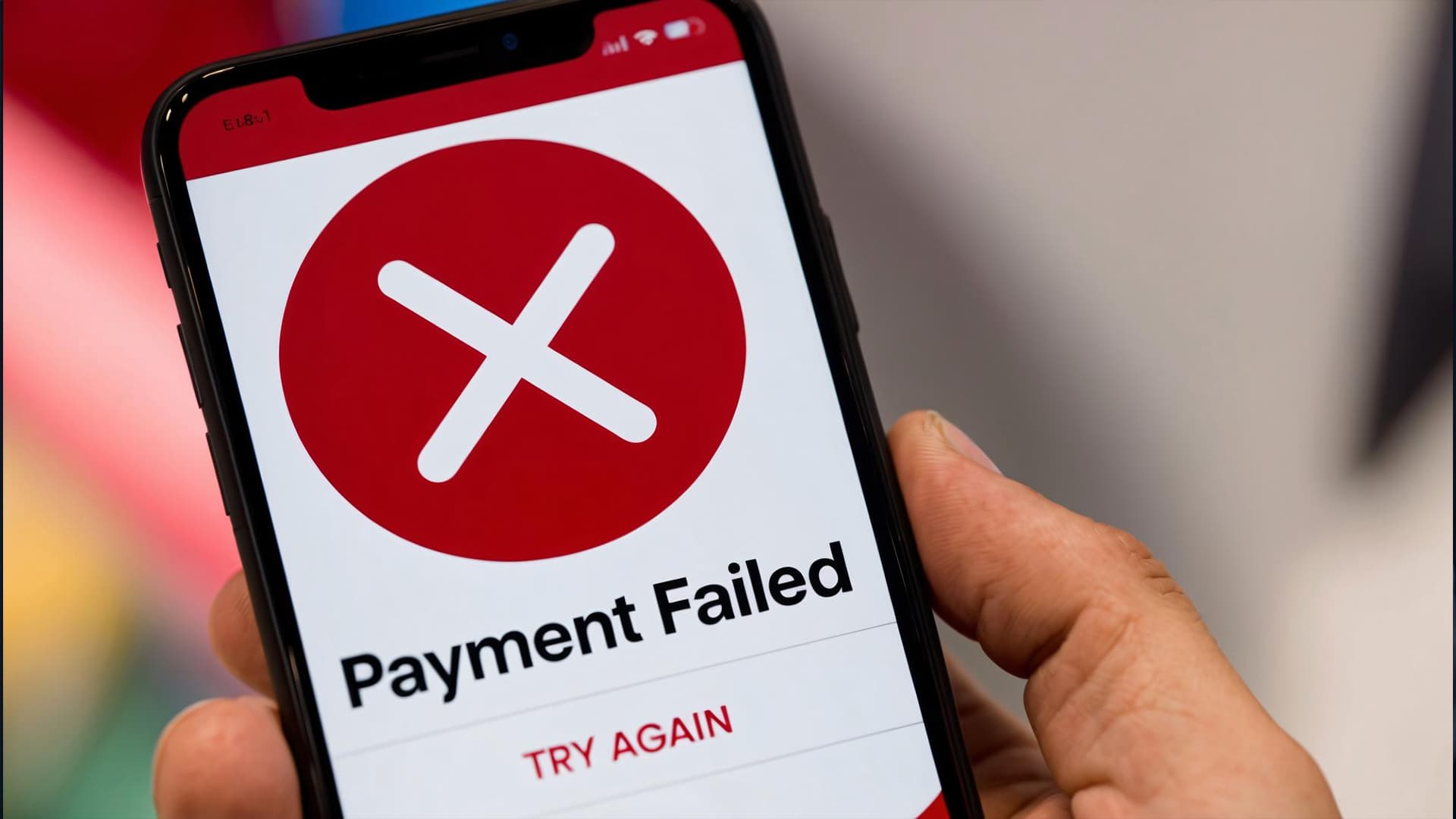
- Test a failed transaction
- Test subscription renewal handling
- Test what the reviewer will see if the account has no entitlement yet
- Test what happens if the network drops mid-purchase
- Test whether hidden or role-based screens still expose the wrong messaging
On the Google side, internal, closed, and open testing tracks are there for a reason. On Apple, you should be using pre-release testing and review preparation resources to validate the experience before submission.
What Actually Keeps Apps Out Of Rejection Territory
It is not cleverness. It is clarity.
You stay safer when you classify every purchase correctly.
You stay safer when digital purchases use the right platform billing path.
You stay safer when your app does not nudge users toward an unapproved route.
You stay safer when your review notes explain the business model instead of hiding it.
You stay safer when your entitlement logic is reliable after the payment happens.
For app developers, that is the real lesson here. App store payments are not hard because billing SDKs are impossible. They are hard because product, policy, UX, and release management all meet in one place.
Conclusion
If you want to add in-app payments without getting rejected by app stores, do not start by asking which gateway to integrate.
Start by asking what kind of purchase this is, where it is consumed, whether it unlocks digital value inside the app, and which store rule governs it. Then design the payment path around that answer.
That one decision changes everything.
The teams that usually get through review faster are not the ones trying to outsmart Apple App Store or Google Play. They are the ones who make the purchase type obvious, use the correct billing route, keep their messaging clean, and hand reviewers a submission that makes sense on the first pass.
That is the standard serious app developers should aim for, especially when monetization is becoming part of the core product and not just an extra feature.
Frequently Asked Questions
Do all apps have to use Apple in-app purchase and Google Play Billing?
No. The rule depends on what the user is buying. If the payment unlocks digital features, content, subscriptions, or functionality inside the app, store billing usually applies. Physical goods, physical services, and some qualifying one-to-one live services are treated differently.
Can I use Stripe inside my app instead of Apple or Google billing?
You can use Stripe or another external processor for transactions that fall outside store-billed digital purchases, such as physical goods, offline services, or other allowed categories. But if the payment unlocks covered digital access inside the app, Apple and Google generally expect their own billing systems unless an approved exception or regional program applies.
What is the biggest reason payment flows get rejected in review?
Usually it is one of three things: the app is using the wrong billing method for a digital transaction, the app is steering users to an outside payment path inside the interface, or the review team cannot access and understand the payment flow properly. Apple and Google both explicitly ask for access details and explanations for restricted or non-obvious flows.
Can reader apps link users to a website?
Yes, but only under defined rules. Apple allows qualifying reader apps to let users access previously purchased content and to apply for the External Link Account Entitlement for account creation or management, with required implementation rules for the in-app modal sheet.
Are alternative billing options now allowed on Google Play?
In some regions, yes, but not as a universal default. Google documents alternative billing options and programs in regions including the EEA, Australia, Brazil, India, Indonesia, Japan, South Africa, South Korea, the United States, and the United Kingdom, subject to program requirements.
How should I explain my payment flow to App Review or Play Console reviewers?
Explain the purchase type, how the user reaches the paywall, whether the item is digital or physical, what unlocks after purchase, and how the reviewer can access every restricted screen. Provide demo credentials, keep backend services live, and clearly note any special cases such as reader apps, region-specific billing paths, or gated features.