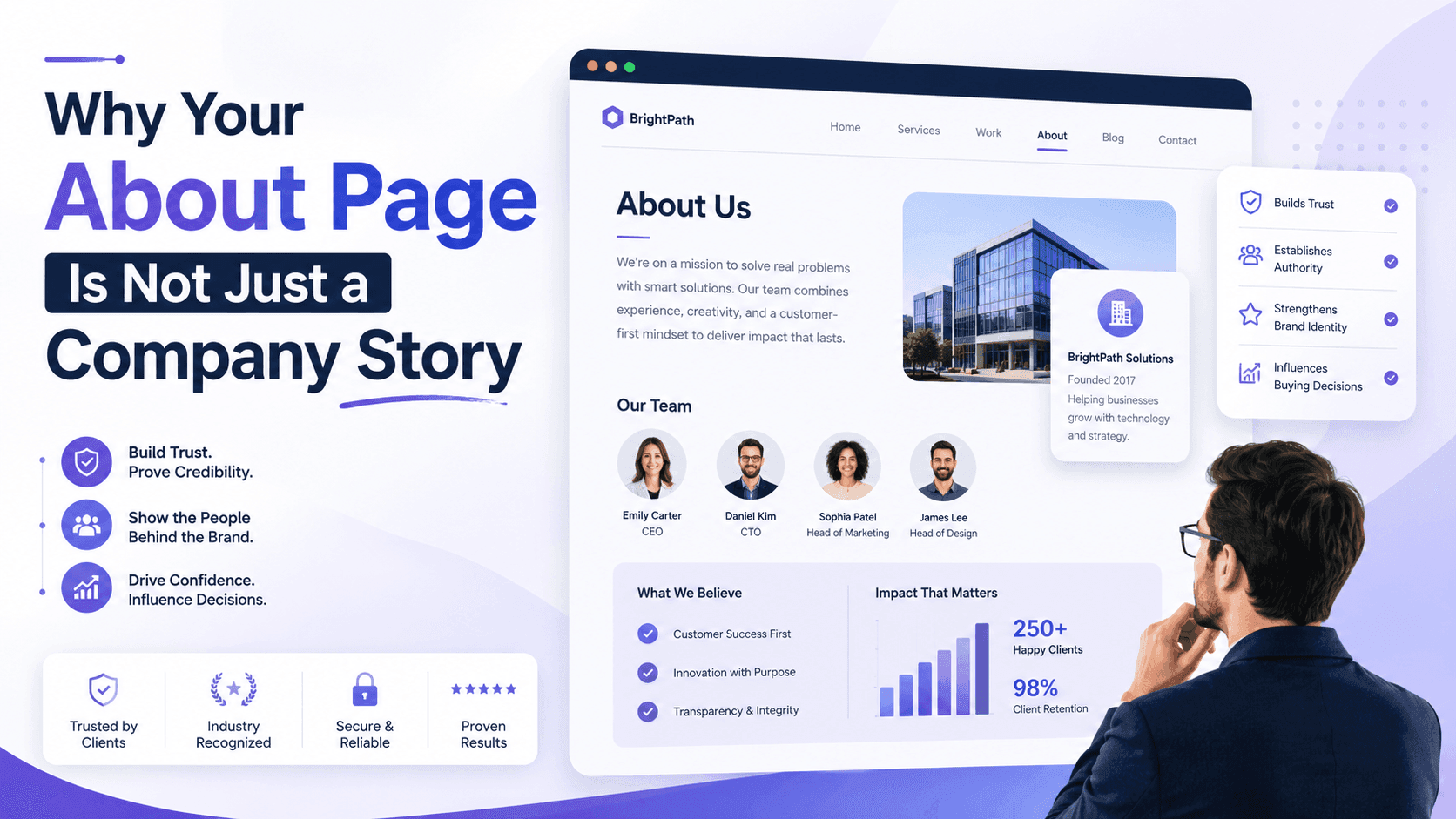

Brand identity is built in small moments. A homepage visit, a product demo, a LinkedIn scroll, a quick ad, a slide in a pitch deck. Each touchpoint either strengthens recognition or quietly weakens it.
The problem usually appears when the brand moves beyond static design. A business can have a solid logo and a polished color palette, then lose consistency the moment video, motion, and platform formats enter the mix. Content teams start improvising. Visuals look good in isolation, but they do not feel like the same brand across channels.
Used with a clear system, 3D animation services help close that gap. They introduce a repeatable visual language for movement, depth, and storytelling, so the brand stays recognizable whether it shows up on a website, social feed, ad creative, or product walkthrough.
This guide explains how to use 3D in a structured way, with practical examples and checks that keep the identity consistent across platforms.
Why Motion Now Plays A Bigger Role In Brand Identity
Most industries are crowded. Buyers see similar claims, similar layouts, and similar visual styles every day. The fastest way to stand out is not louder messaging. It is clearer brand signals.
Motion adds a layer of recognition that static design cannot always deliver. A brand can be remembered by how it moves, not only how it looks.
A consistent motion system can support:
- Faster recognition in short attention environments
- Higher perceived quality, when the motion feels intentional
- A stronger product experience, especially for digital brands
- Better storytelling, because motion guides attention and emotion
The key is not to animate everything. The key is to define what motion means for the brand, then apply it in a controlled way.
The Difference Between Random 3D Content and Brand-Owned 3D
Many businesses try 3D once, usually for a campaign, then stop. The result is often a single good-looking video that does not match the rest of the brand.
A stronger approach is to build brand-owned 3D assets that can be reused, adapted, and extended over time. Instead of designing one-off visuals, the business builds a small “3D language” that stays recognizable across platforms.
That language can include:
- A consistent lighting style and camera feel
- A defined material palette (matte, glossy, metallic, soft plastic)
- Reusable shapes and motifs tied to the brand
- A motion behavior system (how objects enter, transition, and exit)
- A consistent balance between realism and stylization
This is where 3D animation services support identity at a system level, not just a content level.
How 3D Strengthens Brand Identity In Practical Ways
1) It creates recognizability beyond logos
Logos do not always appear in the moments that matter most. Social clips, product demos, reels, and ads often lead with a hook, not a logo.
A consistent 3D style can act like a signature. Over time, audiences begin to recognize the brand even before the logo appears.
2) It makes complex offers easier to understand
Many businesses sell intangible value: software, services, systems, processes. 3D can visualize what the business does in a simple, concrete way.
This matters for:
- SaaS and app experiences
- Technical B2B services
- Products that need demonstration
- New categories where customers need education
3) It improves perceived quality without sounding “salesy”
Buyers judge polish quickly. When motion looks thoughtful, it signals operational maturity. The brand feels more premium without needing exaggerated claims.
Platform Reality: Brand Identity Breaks When Formats Change
A brand can look perfect on a desktop website and fall apart on mobile video. That happens because each platform has its own rules:
- Short attention windows on social
- Silent viewing with captions
- Different aspect ratios
- Different compression and quality limits
- Different user behaviors and scroll speed
If 3D is created without considering these realities, it becomes hard to reuse and easy to abandon.
A better approach is to design 3D as a flexible system, then build assets that adapt to each platform without losing identity.
The Brand System Approach To 3D Animation Services
A business that wants consistent identity across platforms should treat 3D as part of brand design, not separate from it. The goal is not “more animation.” The goal is a repeatable visual language.
Establish a 3D style guide, not just a brand guide
A practical 3D style guide includes:
- Core shapes and forms that reflect the brand personality
- Lighting direction and intensity rules
- Color usage rules inside 3D scenes
- Material rules (what surfaces look like)
- Camera language (angles, depth, focus)
- Motion behavior rules (speed, easing, transitions)
This guide should be short enough to use. It should be visual. It should show correct and incorrect examples.
Align 3D with the existing brand foundation
3D visuals should reflect the brand’s personality traits. For example:
- A brand that signals stability should avoid chaotic motion and fast cuts.
- A brand that signals innovation can use bolder transitions and more dynamic camera movement.
- A brand that signals simplicity should avoid over-detailed scenes.
When this alignment is missing, the 3D looks impressive but feels off-brand.
This alignment often benefits from brand strategy services, because positioning and personality should guide the creative choices, not the other way around.
Where 3D Supports Identity Across Platforms
Website and landing pages
3D can elevate a site quickly, but only when it supports clarity. Useful applications include:
- Product hero visuals that explain the offer instantly
- Micro-animations that guide attention to key sections
- Feature visualizations that reduce text overload
Businesses often make one mistake here: using heavy 3D that slows performance. The solution is usually an optimized pipeline and selective use, not removing 3D entirely.
Social content
Social platforms reward consistency. When a brand uses a repeatable 3D motif, it becomes recognizable in-feed.
Effective patterns include:
- A recurring 3D “signature” intro (kept short)
- Reusable 3D elements that frame content
- Consistent lighting and composition across posts
- Short loops designed for replay value
This is where motion graphics design and 3D often work together. 3D creates the visual world, while motion graphics keep messaging readable and platform-friendly.
Paid ads and performance campaigns
3D can improve attention, but it must support the message fast. Ads need clarity in the first seconds.
The most effective 3D ad content usually:
- Shows the benefit visually, not just text claims
- Uses simple camera movement and clean transitions
- Keeps scenes minimal, avoiding visual noise
- Leaves space for readable overlays
Product UI and demos
For digital products, the brand identity is experienced inside the interface. 3D can support this through:
- Product demo visuals that match the website style
- Onboarding animations that feel on-brand
- Feature explainers that remove confusion
When the 3D style is aligned with the product design system, the experience feels unified. When it is not, the brand feels split.
Sales presentations and event screens
Buyers often meet a brand through a deck before they explore the website. 3D can improve:
- Credibility signals in a pitch deck
- Visual storytelling in a case study presentation
- Large-screen visuals for events and booths
These environments reward strong brand presence, but they require safe typography and controlled motion so the message stays readable.
A Practical Checklist For Building Brand-Consistent 3D
This section is intentionally operational. It is designed to help teams avoid the “one great video, then chaos” problem.
Define what 3D should do for the brand
A business should be clear on the job, such as:
- improve recognition across short-form content
- visualize an intangible offer
- increase perceived quality for an upmarket audience
- create a repeatable library of assets for campaigns
If the “job” is unclear, content becomes random.
Choose 3D boundaries that protect consistency
Set boundaries early:
- Level of realism: realistic, semi-real, or stylized
- Complexity: minimal scenes or detailed scenes
- Motion speed: calm, moderate, energetic
- Texture style: clean and modern vs gritty and detailed
Boundaries make decisions easier and output more consistent.
Build an asset library for reuse
Asset libraries save time and protect identity. They can include:
- core 3D objects and motifs
- background environments
- lighting setups
- camera presets
- transitions and motion behaviors
A library makes it possible to scale content across platforms without starting from scratch each time.
For businesses that want consistent motion across website, social, ads, and presentations, 3D animation services work best when they are built as a system, not a one-time deliverable. To plan a reusable 3D style, define the motion rules, and create platform-ready assets, contact Trifleck for support.
Why Scripting and Messaging Still Matter In A 3D-First Approach
A common misconception is that 3D can “carry” weak messaging. In reality, motion amplifies whatever is already there. If the message is unclear, high-end visuals will not fix it.
This is why many teams pair 3D production with strong content planning. Some businesses also involves creative partners during scripting and narrative planning, especially when multiple teams contribute to video content and consistency matters across campaigns.
Good 3D outcomes usually come from:
- Clear story structure
- Simple language
- Strong visual hierarchy
- Consistency between visuals and words
Common Mistakes Businesses Make With 3D and How To Avoid Them
Mistake 1: Treating 3D like decoration
If the 3D does not support a business goal, it becomes background noise. 3D should clarify, guide attention, or build recognition.
Mistake 2: Overloading scenes
Busy environments can look impressive, but they reduce clarity. Minimal scenes often perform better, especially on mobile.
Mistake 3: Ignoring performance and platform constraints
A website hero animation that takes too long to load can harm user experience. Social videos need to be designed for compression and small screens.
Mistake 4: No consistency rules
Without a 3D style guide, assets drift. Different projects start to look like different brands.
Mistake 5: One-off vendor output with no long-term system
A one-time animation vendor may deliver a good result, but the business is left without reusable assets or guidelines. The next project starts from zero again.
A long-term approach often includes video production services that consider strategy, platform formats, and repeatability, not just the final render.
How To Measure Whether 3D Is Strengthening Brand Identity
Brand identity work can feel subjective, but there are practical indicators that teams can track.
Recognition signals
- More comments and replies that mention the brand name directly
- Higher recall in sales conversations (“saw your video” or “recognize your content”)
- Stronger visual consistency across posts and campaigns
Performance signals
Depending on the platform:
- Higher view-through on short-form clips
- Improved click-through on ad creatives
- Longer time on page for landing pages with supporting motion
- Lower bounce when the hero section explains the offer faster
Internal efficiency signals
- Faster campaign production due to reusable assets
- Fewer revisions because motion rules are defined
- Less dependence on one person for brand decisions
A Simple Rollout Plan For Consistent 3D Across Platforms
Not every business needs to launch 3D everywhere at once. A phased rollout is often more realistic.
Phase 1: Define the system
- 3D style guide created
- core motifs and assets designed
- a few motion behaviors approved
Phase 2: Apply it where the audience sees it first
- social templates and short clips
- website hero or key landing section
- one brand explainer or product demo segment
Phase 3: Expand to supporting assets
- ad variants and retargeting creatives
- deck visuals and event assets
- additional product demos and onboarding motion
Phased rollout avoids the common problem where the brand looks updated in one place and unfinished everywhere else.
Final Thoughts!
A unique brand identity is built through repetition and consistency, not isolated creative moments. As more customer touchpoints shift toward video, motion, and interactive experiences, 3D becomes a practical way to hold identity together across formats.
When built as a system, 3D animation services help businesses do three things at once: create recognition, communicate value more clearly, and present a level of quality that matches the real business behind the visuals.
For teams that want to build a repeatable motion language across website, social, ads, and product storytelling, Trifleck can support the planning, production, and rollout of 3D animation services that strengthen brand identity across platforms.