

Software companies are no longer fighting for visibility only on Google. Buyers now ask ChatGPT, Gemini, Perplexity, and other AI tools to compare platforms, explain software categories, recommend vendors, shortlist tools, and simplify technical decisions.
That changes how software visibility works.
A company can rank well in search and still be missing from AI-generated answers. Another company may not dominate search results but may appear often because the web explains its product clearly, review platforms mention it consistently, and trusted sources connect it with the right category.
This is where Generative Engine Optimization matters.
For software companies, Generative Engine Optimization is not about gaming AI tools. It is about making your brand easier to understand, easier to verify, and easier to mention when someone asks a relevant question. If a software company wants stronger software agency authority, it needs more than blog posts. It needs clear positioning, useful content, third-party proof, customer reviews, comparisons, documentation, and consistent information across the web.
The goal is simple. When a buyer asks an AI tool, “What are the best software agencies for custom SaaS development?” or “Which companies build secure enterprise software?” your company should be one of the names the system can confidently include.
What Generative Engine Optimization Means for Software Companies
Generative Engine Optimization, often called GEO, is the process of improving how AI tools understand and reference your company in generated answers.
Traditional SEO is mostly about ranking pages in search results. GEO is about getting mentioned inside the answer itself. That answer may come from ChatGPT, Gemini, Perplexity, Copilot, or another AI search experience.
For software companies, this matters because buyers often use AI tools before they speak with sales. They ask questions like:
- Which software agency is best for healthcare app development?
- What is the best SaaS development company for startups?
- Who offers custom software development for logistics companies?
- What are the top alternatives to this platform?
- Which software firms have experience with AI integrations?
If your company is not clearly connected to those topics online, AI tools may skip over it.
Strong software agency authority helps reduce that risk. It gives AI systems more reasons to connect your brand with the right services, industries, technologies, and buyer problems.
Why AI Visibility Is Different From Google Rankings
Google rankings still matter. They support discovery, traffic, leads, and credibility. But AI-generated answers work differently from normal search pages.
A search result gives the user a list of links. An AI answer gives the user a summary. That summary may include only a few brands, sometimes with citations, sometimes without them. This means the space for visibility is much smaller.
A software company needs to be clear enough for AI tools to understand three things:
- What the company does
- Who the company serves
- Why the company is credible
If your website says you “build innovative digital solutions,” that does not help much. The phrase is too broad. It could mean software development, IT consulting, cloud migration, web design, automation, or product strategy.
A clearer version would be:
“We build custom software, SaaS platforms, mobile apps, and AI-powered business tools for B2B companies, healthcare providers, logistics firms, and financial services teams.”
That kind of clarity supports software agency authority because it connects the company with specific services and markets.
How ChatGPT, Gemini, and Perplexity Choose Software Brands to Mention
AI tools do not choose brands randomly. Their answers are shaped by the information available to them, the sources they can access, and the way a company is described across the web.
ChatGPT Looks for Clear Brand Understanding
ChatGPT is more likely to mention companies that are widely described, clearly positioned, and associated with a specific category. If the web repeatedly connects your company with custom software development, SaaS development, AI integration, or enterprise app development, that context can help.
This is why vague branding hurts software companies. If every page says something different, AI tools have less certainty.
Gemini Connects Closely With Search Signals
Gemini is connected to Google’s broader understanding of websites, brands, content, and search intent. That means your SEO foundation still matters.
A software company should have strong service pages, clean technical SEO, updated business profiles, useful articles, structured data, and trustworthy external references. These signals help reinforce software agency authority.
Perplexity Often Depends on Citable Sources
Perplexity frequently cites sources in its answers. That makes third-party mentions especially valuable.
If your company is listed on software directories, featured in industry publications, mentioned in comparison articles, or referenced in case studies, there is a stronger chance that Perplexity can cite content connected to your brand.
Start With Clear Software Positioning
Before publishing more content, fix the basics.
Many software companies create unnecessary confusion because their messaging is too broad. They describe themselves as a “technology partner” or a “digital transformation company” without clearly explaining what they build.
Your website should immediately answer:
- Do you build custom software?
- Do you build SaaS products?
- Do you specialize in mobile apps?
- Do you offer AI development?
- Do you work with startups, enterprises, or specific industries?
- Do you provide strategy, design, development, testing, and maintenance?
Clear positioning helps AI tools place your company in the right category. It also helps human buyers understand whether you are relevant.
If you want stronger software agency authority, make your category obvious on your homepage, service pages, About page, case studies, and external profiles.
Build Content Around Real Buyer Questions
Software buyers do not wake up searching for your brand unless they already know you. They search for problems, comparisons, risks, costs, timelines, and examples.
Your content should reflect that.
Instead of only writing about your services, create content that answers the questions buyers ask before hiring a software agency.
Useful Content Topics for Software Companies
- How much does custom software development cost?
- How long does SaaS development take?
- What should be included in a software requirements document?
- How do you choose a software development agency?
- What is the difference between staff augmentation and full-cycle development?
- When should a company modernize legacy software?
- How do software agencies handle security and compliance?
- What should businesses know before building an AI product?
These topics help connect your brand with actual buying decisions. They also give AI tools more useful material to draw from when answering buyer questions.
This is one of the most practical ways to build software agency authority without relying only on paid ads.
Create Service Pages That Explain the Work Properly
Thin service pages are a common problem.
A page titled “Custom Software Development” with a few generic paragraphs is not enough. It does not give buyers enough detail, and it does not give AI systems enough context.
A strong service page should explain:
- What the service includes
- Who it is for
- Common business problems it solves
- Industries where it applies
- Technologies used
- Project stages
- Delivery model
- Security practices
- Typical timelines
- Related case studies
- FAQs
For example, a custom software development page should not only say that you build tailored solutions. It should explain discovery, architecture, UI/UX design, backend development, frontend development, QA testing, deployment, documentation, and maintenance.
The more specific the page, the easier it becomes for AI tools to understand your strengths and mention your company accurately.
Use Comparison Content Carefully
Software buyers love comparison content because it helps them make decisions faster. AI tools also respond well to clear comparison formats because they are easy to summarize.
Software companies can create comparison content around:
- Custom software vs off-the-shelf software
- In-house development vs software agency
- Freelancer vs software development company
- Nearshore vs offshore software development
- SaaS development agency vs product studio
- Legacy software modernization vs full rebuild
- Top software agencies for a specific industry
- Best alternatives to a known platform or vendor
The key is honesty. Do not make every comparison sound like your company is always the best choice. That weakens trust.
A better approach is to explain when each option makes sense. Buyers appreciate balanced advice, and AI tools are more likely to reuse content that sounds informative rather than purely promotional.
Balanced comparison content can support software agency authority because it shows that your company understands the decision process, not just the sales pitch.
Strengthen Third-Party Mentions
Your website matters, but it should not be the only place where your company is described.
AI tools often look for confirmation from outside sources. That means software companies should invest in third-party visibility.
Places That Can Support AI Mentions
- Software review platforms
- Industry directories
- Guest posts
- Founder interviews
- Podcast appearances
- Partner pages
- Technology marketplace listings
- Award pages
- Client websites
- Case study collaborations
- PR mentions
- Expert roundups
If a software agency claims expertise in fintech software, but no outside source connects it with fintech, that claim is weaker. If the agency has fintech case studies, client mentions, guest articles, and directory listings in that category, the claim becomes stronger.
That is why off-site credibility plays a major role in software agency authority.
Build Review Profiles With Specific Customer Language
Reviews are not only for conversion. They also help explain what your company does in the words of real customers.
A vague review like “Great team and great service” is nice, but it does not add much context.
A stronger review says:
“The team helped us rebuild our legacy logistics platform, improve shipment tracking, and connect our internal system with third-party APIs.”
That review gives more useful signals. It connects the company with logistics software, legacy modernization, shipment tracking, and API integration.
Software companies should encourage customers to mention:
- The problem they had
- The type of software built
- The industry
- The technology or integration involved
- The result
- The working experience
Detailed reviews help buyers and AI tools understand your practical strengths.
Publish Case Studies That Show Real Outcomes
Case studies are one of the strongest assets for GEO because they combine proof, context, and specificity.
A good case study should include:
- Client industry
- Business problem
- Software challenge
- Development approach
- Features delivered
- Technology stack
- Timeline
- Results
- Client quote
- Lessons learned
Avoid turning every case study into a sales page. The goal is to explain what happened clearly.
For example, instead of saying “We helped the client improve efficiency,” say:
“We built a custom inventory management system that reduced manual order tracking and helped the operations team process supplier updates from one dashboard.”
That level of detail strengthens software agency authority because it shows real work tied to real business problems.
Make Technical Documentation Public Where Possible
Many software companies hide too much useful information.
Public documentation, API references, integration pages, help center articles, and technical explainers can all support AI visibility. They show that the company has depth, not just marketing claims.
This is especially useful for companies that offer SaaS products, developer tools, automation platforms, or API-based services.
Useful documentation can explain:
- Features
- Integrations
- Security standards
- Data handling
- API usage
- Setup steps
- User roles
- Admin controls
- Troubleshooting
- Compliance support
Public technical content makes your company easier to understand and easier to trust.
Use Structured Website Sections
AI tools and search engines both benefit from clean structure.
Use clear H2s and H3s. Keep paragraphs short. Add FAQs where useful. Create comparison tables. Use descriptive page titles. Keep service pages connected through internal links.
For example, a SaaS development page should link to:
- SaaS case studies
- UI/UX design services
- MVP development
- Cloud architecture
- Product maintenance
- SaaS pricing guide
- Security practices
- Related blog posts
These internal connections help clarify what your company does and how each service relates to the others.
Track AI Mentions Manually
GEO measurement is not as clean as SEO tracking, but it is still possible.
Start by testing prompts every month.
Search prompts like:
- Best software agencies for SaaS startups
- Top custom software development companies for healthcare
- Who can build AI-powered business software?
- Best software development agency for logistics companies
- Compare custom software development and SaaS product development
- Which companies offer enterprise software modernization?
Track whether your company appears, which competitors appear, and what sources are cited. Also check whether your brand is described correctly.
If AI tools mention your company but describe it poorly, your messaging needs work. If they do not mention your company at all, you may need more content depth, external mentions, reviews, and clearer service positioning. This is also where Trifleck can help identify content gaps and unclear positioning that may be holding back AI visibility.
Common Mistakes That Hurt GEO
Many software companies struggle with AI visibility because their web presence is unclear.
Vague Messaging
Phrases like “we create digital experiences” or “we empower businesses with technology” do not say enough. Be specific.
No Third-Party Proof
If your company only appears on its own website, AI tools have fewer reasons to trust it.
Thin Service Pages
Short pages with generic claims do not build enough context.
Weak Case Studies
Case studies without outcomes, industries, features, or technical detail are less useful.
No Review Strategy
Reviews that lack specific use cases do little to support visibility.
Inconsistent Brand Descriptions
If LinkedIn, Clutch, your website, and guest posts all describe your company differently, AI tools may struggle to classify your business correctly.
Final Thoughts
Generative Engine Optimization is becoming important because software buyers are changing how they research. They are not only scrolling through search results. They are asking AI tools for recommendations, comparisons, explanations, and shortlists.
For software companies, the best response is not to chase tricks. It is to become easier to understand and easier to trust.
Build clear service pages. Publish useful buyer-focused content. Earn third-party mentions. Collect detailed reviews. Write stronger case studies. Keep your information consistent. Make your technical expertise visible.
That is how a company builds software agency authority in a way that supports both search visibility and AI-generated mentions.
The software companies that do this early will have a stronger chance of appearing when buyers ask ChatGPT, Gemini, Perplexity, and other AI tools who they should consider.
Frequently Asked Questions
How should a software agency check whether ChatGPT already understands its services correctly?
A software agency should test prompts that describe its core services, industries, and competitors. For example, ask ChatGPT, Gemini, or Perplexity questions like “Which companies provide SaaS development for healthcare startups?” or “What does [agency name] specialize in?” If the answer is missing, vague, or incorrect, the agency needs clearer service pages, stronger third-party mentions, and more consistent brand descriptions online.
Should a software agency create separate pages for every industry it serves?
Yes, but only when the agency has enough real experience or a clear service angle for that industry. A healthcare software page, fintech software page, or logistics software page should include industry-specific problems, compliance needs, workflows, integrations, and case examples. Thin pages created only for keywords will not build strong software agency authority.
Can AI tools mention a software agency that does not have many backlinks?
Yes, but it is harder. Backlinks are not the only factor. A software agency can still improve visibility through detailed service pages, public case studies, customer reviews, niche directories, founder interviews, and useful content that explains its expertise clearly.
What should a software agency include on its About page for better AI visibility?
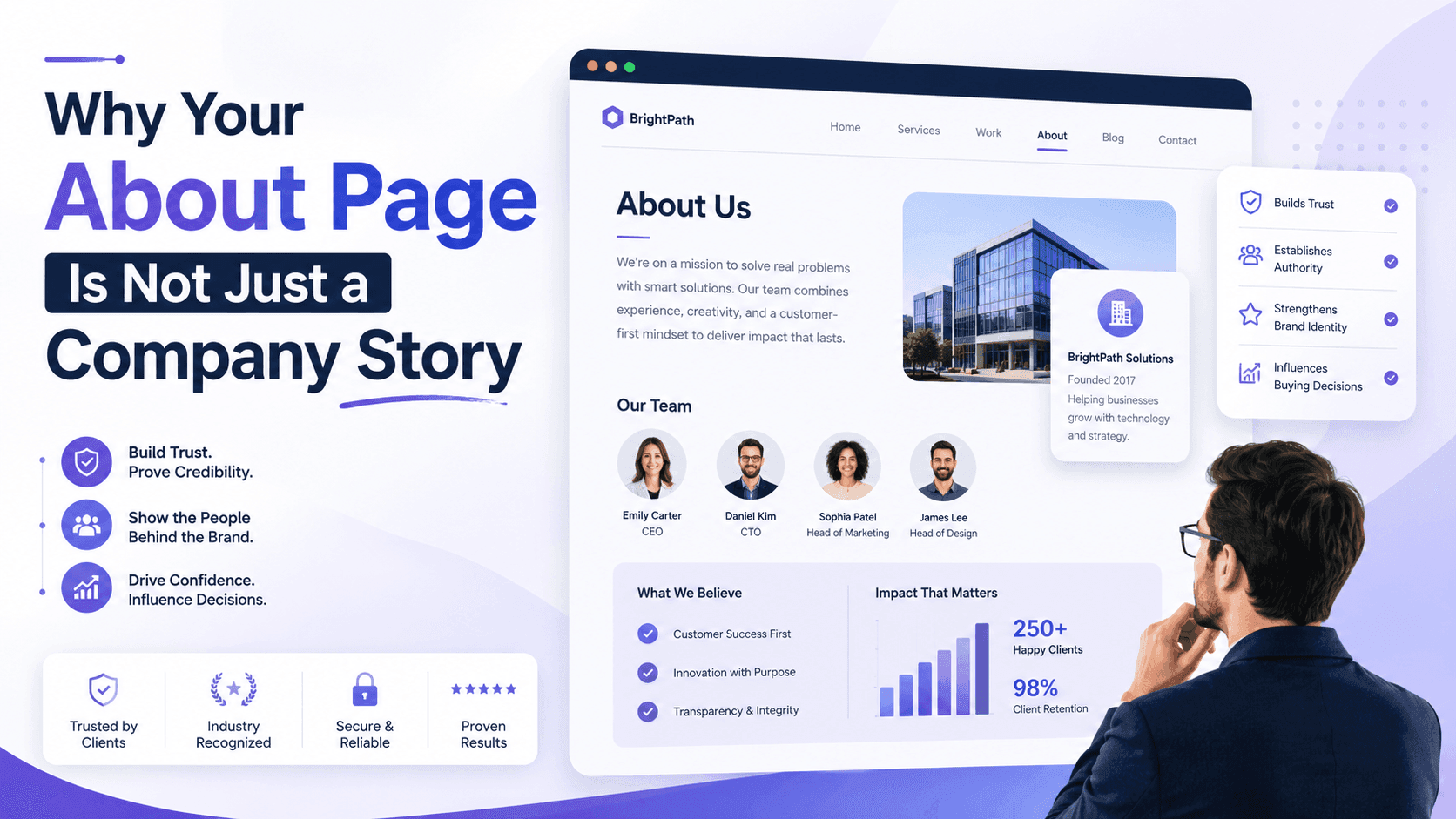
The About page should clearly mention the agency’s services, industries served, founding background, leadership team, location, development model, technical strengths, client types, and proof of work. It should not only tell a brand story. It should help AI tools and buyers understand what the agency actually does.
Are Clutch and G2 profiles useful for software agency authority?
Yes. Clutch is especially useful for software agencies because it includes client reviews, service categories, project sizes, locations, and industry focus. G2 is more useful for SaaS products, but it can still help if the agency owns or markets a software product. Detailed third-party profiles can support software agency authority because they confirm claims outside the agency’s own website.
Should software agencies publish pricing pages for GEO?
Yes, if they can do it without creating sales issues. A pricing page does not need to show exact fixed prices. It can explain pricing models, cost ranges, project factors, team structure, timeline impact, and what affects development cost. AI tools often answer cost-related queries, so clear pricing content can help the agency become part of those answers.
How can a small software agency compete with larger agencies in AI search results?
A small software agency should focus on a narrow specialty instead of broad claims. For example, “custom CRM development for real estate teams” is easier to own than “custom software development.” Niche service pages, focused case studies, specific reviews, and industry content can help smaller agencies build recognition in a defined category.
Should software agencies write competitor comparison pages?
Yes, but the pages should be fair and factual. A useful comparison page should explain strengths, limitations, best-fit customers, pricing differences, delivery models, and project types. If the content only says your agency is better in every way, it may feel biased and less trustworthy.