

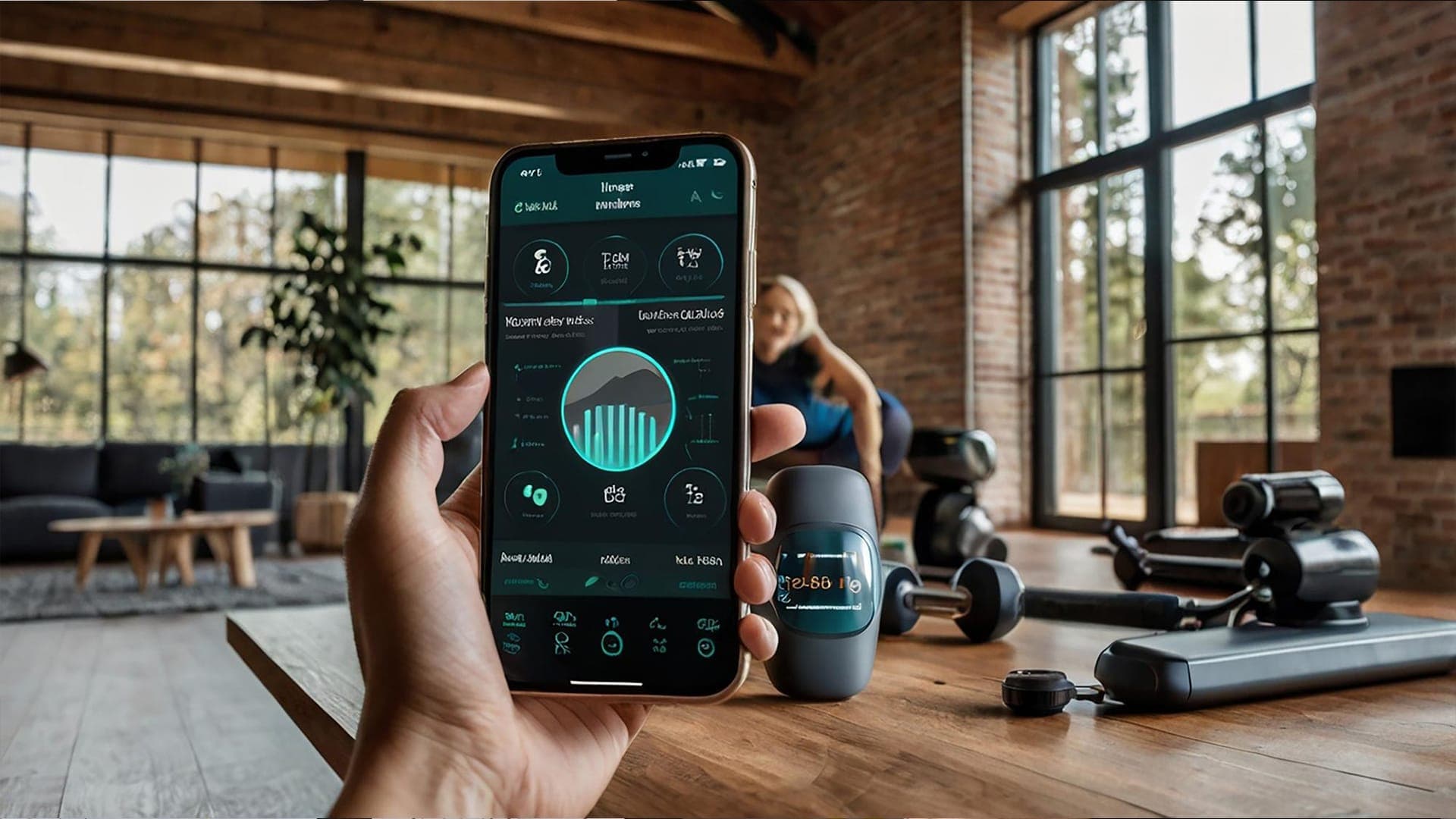
People rarely download a fitness app because they are already disciplined.
They download it on a tired Monday. Or after skipping workouts for weeks. Or after feeling uncomfortable climbing stairs. The decision usually comes from a small moment of frustration or hope.
That moment matters.
A fitness app either meets the user where they are, or it quietly disappears from their phone within days.
That is why fitness apps are tricky to build. On the surface, they look simple. Workouts. Timers. Progress charts. But under the surface, they deal with habits, motivation, guilt, confidence, and energy levels that change daily.
If you are exploring fitness apps development, understanding this human side is just as important as understanding features, costs, or monetization.
This article walks through all of it, but not as a checklist. More like a conversation. The kind you would have before investing months of work into something people are supposed to use every day.
The Real Reason Fitness Apps Keep Getting Rebuilt
Open any app store and search for fitness apps. You will see thousands. New ones appear every month. Yet many founders rebuild or redesign their apps within a year.
Why?
Because copying what already exists does not work.
Many fitness apps fail for simple reasons:
- They assume users are consistent
- They punish missed days
- They overload screens with data
- They feel judgmental instead of supportive
People do not quit fitness apps because they hate fitness. They quit because the app makes them feel behind.
The best fitness apps are not strict coaches. They are quiet companions.
Keeping that in mind changes how everything else is built.
Before Features, Decide What Kind Of Fitness Problem You Are Solving
Here is where most projects go wrong.
They start with features.
Instead, start with one question:
What moment in someone’s day is this app meant for?
Morning routines feel different than late-night workouts. Home workouts feel different than gym sessions. Beginners behave very differently from experienced users.
Some apps are built for:
- People who want structure
- People who want flexibility
- People who want motivation
- People who want accountability
Trying to satisfy all of them usually satisfies none.
A walking app, a yoga app, and a strength training app might all be called fitness apps, but they live in completely different emotional spaces.
Decide your space early.
How Users Actually Experience Fitness Apps (And Why It Matters)
Most product decisions are made from the developer’s perspective. Real usage looks different.
A user opens the app:
- While tired
- While distracted
- While short on time
- While unsure if they want to work out at all
That means the app needs to reduce friction immediately.
Long onboarding flows hurt fitness apps more than almost any other category. Users want to move, not read.
The faster someone can start doing something, the higher the chance they come back.
This single insight shapes onboarding, navigation, and feature priority.
Features That Matter More Than People Think
Not every fitness app needs dozens of features. But the ones it has must work smoothly and feel natural.
Some features quietly decide whether an app survives.
Starting a workout should feel effortless
This sounds obvious, yet many apps complicate it.
If a user has to:
- Click through multiple screens
- Answer too many questions
- Watch long introductions
They lose momentum.
A good fitness app lets someone begin moving within seconds.
Progress should feel forgiving
Progress tracking is essential, but how it is presented matters.
Missing a day should not erase everything.
Progress should look cumulative, not fragile.
People return to apps that forgive them.
Personalization does not need to be complex
Personalization does not mean advanced algorithms from day one.
Simple things work:
- Remembering preferred workout length
- Adjusting difficulty gradually
- Suggesting alternatives on low-energy days
These small touches make an app feel thoughtful.
Not All Fitness Apps Need The Same Feature Depth
Here is where many teams overspend.
They build advanced features before validating the basics.
Different app types require different depths.
For example:
- A beginner home workout app needs clarity and encouragement
- A performance-focused app needs detailed metrics
- A habit-based app needs reminders and streak logic
Trying to add everything leads to clutter.
In fitness apps development, restraint is often a strength.
Design Decisions That Quietly Affect Retention
Design in fitness apps is not about being flashy.
It is about comfort.
Bright colors can motivate some users and exhaust others. Dense dashboards impress some users and overwhelm others.
Good fitness app design:
- Uses readable fonts
- Leaves space on the screen
- Makes buttons obvious
- Avoids shouting at the user
A tired person should be able to understand the screen instantly.
That alone improves retention more than many advanced features.
Choosing Platforms Without Overthinking It
Platform choice becomes emotional for founders.
Android or iOS? Native or cross-platform?
The truth is simpler than most discussions suggest.
If your audience is broad and global, Android matters.
If your audience is subscription-heavy, iOS often performs better.
Many successful teams start with one platform, learn from real users, then expand.
What matters more than platform choice is stability. Fitness apps are used during movement. Crashes during workouts kill trust quickly.
Let’s Talk About Money Without Pretending It Is Simple
Now comes the part everyone asks about.
Cost.
There is no single number because fitness apps vary wildly. But patterns exist.
Development cost depends on:
- Feature count
- Design complexity
- Platform scope
- Integrations like wearables
- Backend requirements
A stripped-down app can be built affordably.
A data-heavy, wearable-connected app costs much more.
Trying to underbuild often leads to rebuilding.
A Realistic Look At Development Cost Ranges
Here is a rough overview to help set expectations:
| App scope | Typical cost range |
| Basic fitness app | $25,000 to $40,000 |
| Mid-level app | $40,000 to $80,000 |
| Advanced fitness app | $80,000 to $150,000+ |
These are not promises. They are planning references.
Cutting corners early often costs more later.
Costs That Do Not Stop After Launch
Many teams forget this part.
Once the app is live, costs continue.
Common ongoing expenses include:
- Server and data storage
- App store maintenance
- Bug fixes
- Feature improvements
- Content updates
- User support
Fitness apps especially need maintenance because operating systems update often and wearable integrations change.
Planning for this early avoids panic later.
At this point, most founders realize fitness apps are not “build once and forget” products. They are living systems.
This is usually where outside guidance becomes valuable. If you are navigating feature decisions, cost trade-offs, or scaling concerns, you can contact Trifleck for app development services to get clarity without committing to unnecessary complexity.
Making Money From a Fitness App Without Ruining the Experience
Monetization is where many fitness apps lose their way.
Not because charging money is wrong, but because the way money is introduced often clashes with why people downloaded the app in the first place. Users come to feel better, not to feel pressured.
Good monetization feels aligned with progress. Bad monetization feels like a roadblock.
Understanding that difference matters more than the model itself.
Subscriptions that feel fair
Subscriptions are common in fitness apps because fitness is ongoing. People do not work out once and stop forever.
That said, subscriptions only work when users feel they are getting value every week, not just at sign-up.
What makes subscriptions work:
- New or refreshed workouts
- Clear progression over time
- Features that support daily use
- A sense that the app grows with the user
What breaks subscriptions:
- Locked basics
- No visible updates
- Paying just to remove limits that feel artificial
In fitness apps development, subscriptions work best when they feel like access, not a toll gate.
Freemium models that respect beginners
Freemium models are popular for a reason. They let users try before committing.
The mistake many apps make is giving too little for free or too much.
A good balance:
- Free users can complete real workouts
- Paid users unlock deeper personalization or advanced plans
- Free users never feel tricked or blocked mid-session
People are more willing to pay when they trust the app.
One-time purchases for focused apps
Some fitness apps solve very specific problems.
Examples:
- A 30-day beginner plan
- A posture correction program
- A home workout guide for limited equipment
In these cases, one-time pricing makes sense. Users know exactly what they are buying.
This model works best when the scope is clear and expectations are realistic.
In-app purchases that feel optional
In-app purchases can add flexibility without forcing commitment.
Common examples:
- Specialized workout packs
- Nutrition add-ons
- Personal coaching sessions
- Recovery or stretching modules
The key is that these should feel like extras, not missing pieces.
Advertising as a last resort
Advertising works best when the app has massive scale.
For smaller or mid-sized fitness apps, ads often hurt trust and focus. Interrupting a workout with an ad breaks immersion and motivation.
If ads are used, they should be minimal and relevant. Otherwise, they shorten app lifespan.
Why Some Fitness Apps Struggle To Earn Even With Users
It surprises many founders that an app can have thousands of users and still struggle financially.
Common reasons include:
- Users do not understand the value of paid features
- The upgrade moment comes too early
- Pricing feels disconnected from benefits
- The app lacks long-term engagement hooks
Monetization depends on retention. Retention depends on experience.
You cannot separate them.
Testing Fitness Apps In The Real World, Not Just On Devices
Fitness apps behave differently than many other apps because they are used during movement.
That changes everything.
Functional testing matters more during motion
Buttons must respond instantly.
Timers must be accurate.
Audio cues must work reliably.
A small delay during a workout feels much bigger than during casual browsing.
Usability testing should include tired users
Testing with fresh, focused users hides problems.
Watch people use the app:
- After work
- When distracted
- When unmotivated
Those moments reveal real friction.
Performance issues destroy trust quickly
Crashes during workouts or lost progress discourage users faster than almost anything else.
Performance is not a technical detail. It is part of user confidence.
Launching A Fitness App Without Unrealistic Expectations
Launch day is often treated like a finish line. It is not.
It is more like opening a door.
App store presence should feel honest
Avoid overpromising.
Your store page should:
- Clearly explain who the app is for
- Show real screens, not mockups
- Set realistic expectations
Users are more forgiving when expectations are clear.
Early feedback is more valuable than early praise
The first users will point out flaws you missed.
Listen closely.
Fix quickly.
Communicate updates.
Early responsiveness builds loyalty.
Mistakes That Keep Repeating In Fitness App Projects
After seeing many fitness apps come and go, patterns emerge.
Common mistakes include:
- Designing for ideal users instead of real ones
- Making progress feel fragile
- Overloading dashboards with data
- Ignoring mental fatigue
- Treating fitness as punishment instead of support
Avoiding these mistakes often matters more than adding new features.
Where Fitness Apps Are Slowly Heading
Fitness apps are changing in subtle ways.
They are becoming:
- Less rigid
- More adaptive
- More lifestyle-focused
- Less judgmental
Users are moving away from extreme goals and toward consistency.
Apps that support rest days, flexibility, and mental health tend to last longer.
This shift affects how learning app features evolved in education apps and now influences fitness as well. Support beats pressure.
When To Seek Help Instead Of Pushing Alone
There is a point where guessing becomes expensive.
If you are unsure about:
- Feature prioritization
- Monetization balance
- Scaling infrastructure
- Retention strategy
Getting experienced input can save months of rework.
If you are building or refining a product in fitness apps development and want clarity without noise, you can contact Trifleck for app development services. We help teams make practical decisions that hold up after launch.
Final Perspective
Fitness apps live in people’s daily routines.
They show up when motivation is low and energy is limited. That responsibility should guide every decision, from features to pricing.
This fitness apps development guide walked through the real considerations behind building, costing, and monetizing a fitness app without sugarcoating the process.
The strongest apps are not perfect. They are patient.
They allow people to stop, restart, and continue without shame.
Build with that mindset, and your app has a real chance to stay on someone’s phone longer than a week.
That is the real success.