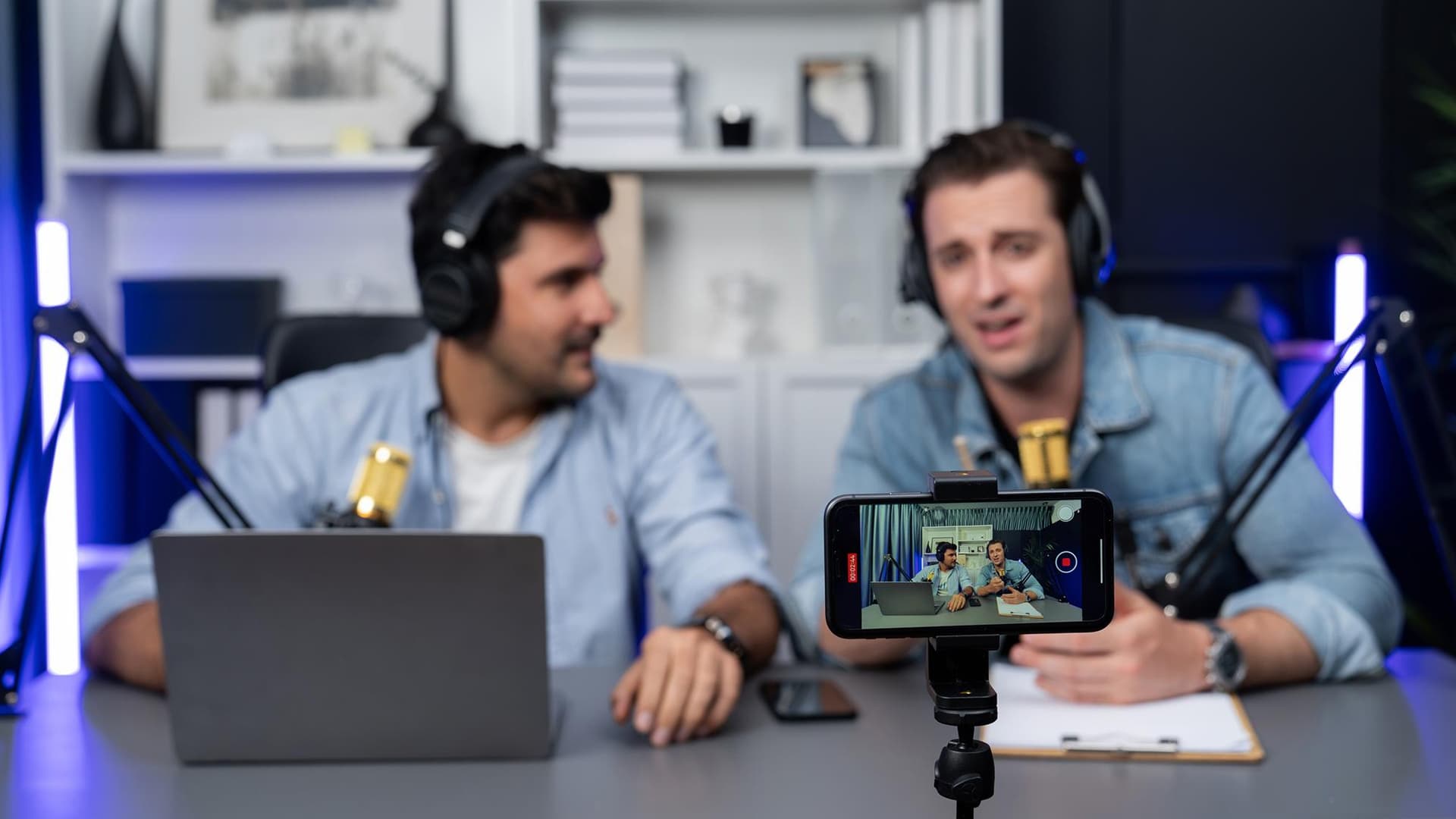
Short videos versus long videos is the wrong debate if the goal is SEO. The real question is whether the video gives search engines, AI systems, and users enough useful information to understand, trust, and act on it. A 30-second clip can outperform a 20-minute video if the query is simple. A detailed tutorial can outperform 50 short clips if the user needs comparison, context, and proof.
Google's AI Overviews changed the search experience in a way most businesses were not prepared for. Users now get a synthesized answer before they ever reach the traditional blue links. For content publishers, service businesses, and SaaS companies, that shift raised an uncomfortable question: if the search engine summarizes your content for the user, does anyone still click through to your page?
Are We Heading for a Zero UI Future? The question sounds futuristic, but it points to something ordinary: how tired people are of working around software. Most users do not open an app because they enjoy hunting through menus, remembering where a setting lives, or filling out the same form for the third time. They want a result, not a tour of the interface.
Generative AI referral traffic grew 796 percent between January 2024 and December 2025, based on an analysis of 2.3 billion site sessions conducted by WebFX. That number gets repeated constantly, usually without the context that makes it useful. On its own, it just sounds impressive. With context, it points to something businesses actually need to act on: the small but fast-growing slice of traffic arriving from AI platforms behaves differently than traditional organic traffic, and most analytics setups still aren't built to notice that difference.
Voice search optimization as a standalone strategy no longer exists in any meaningful sense. The tactics built for it (conversational keywords, FAQ pages, schema markup) still have value, but they were never the real lever. The real lever is whether an AI system trusts your content enough to use it when constructing an answer, regardless of whether that question arrived by typing or by speaking into a phone.
A page can be technically flawless by every traditional SEO checklist and still get skipped entirely by an AI Overview or a ChatGPT answer. That gap is the real story behind on-page SEO for AI search in 2026. The mechanics that made a page rank in classic search (keyword placement, header structure, internal linking) still matter, but they’re no longer sufficient on their own. AI search systems run an additional layer of evaluation before anything from a page ever reaches a user, and most on-page advice still ignores that layer completely.
In May 2026, an anonymous enterprise reportedly burned through $500 million on Anthropic’s Claude AI platform in a single month. The trigger was deceptively simple: the company issued unlimited AI licenses to thousands of employees with no spending caps, no usage policies, and no monitoring in place. The result was a budget catastrophe that sent shockwaves across the enterprise technology world.
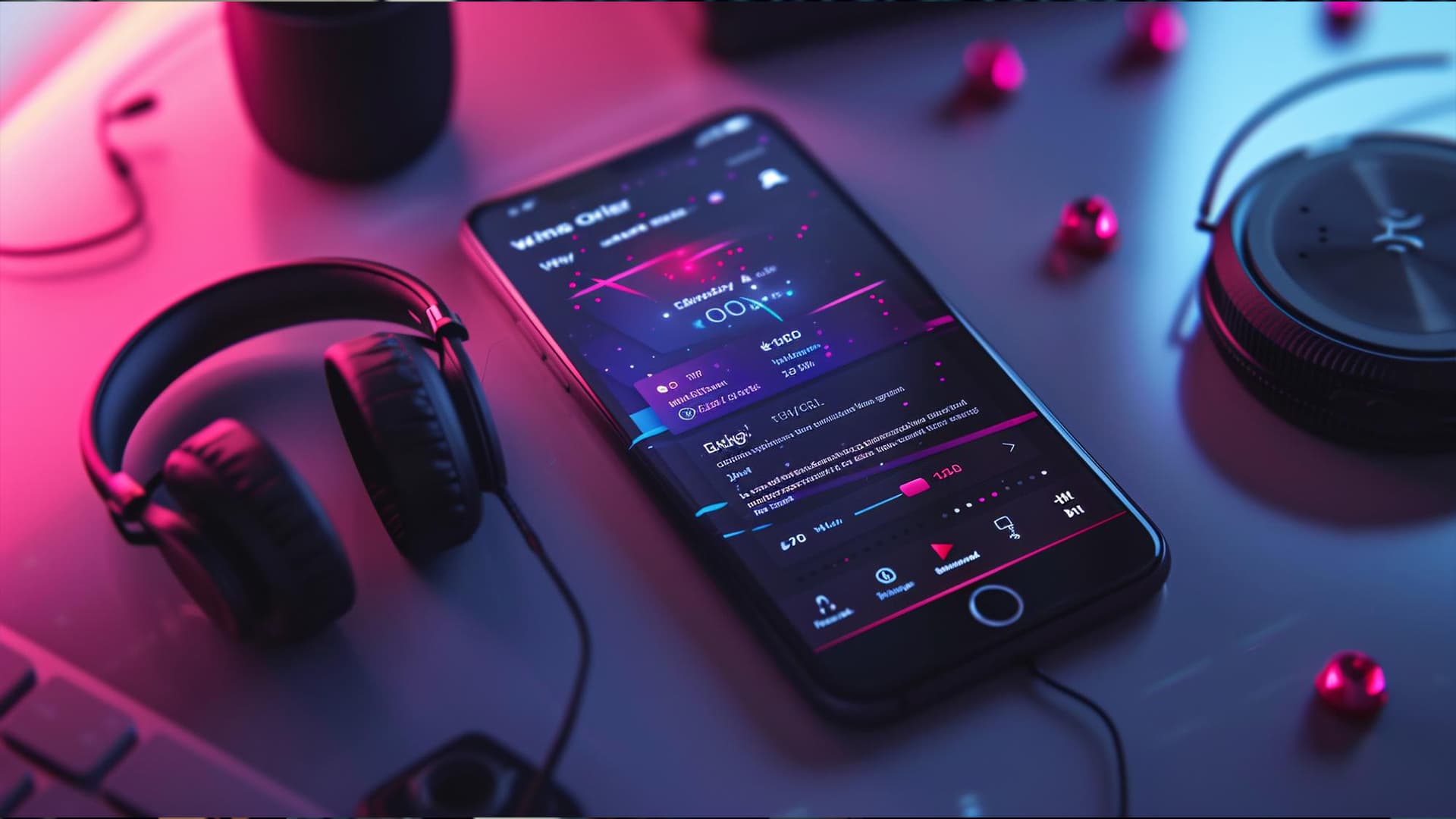
Choosing the right offline music apps has gotten more complicated, not less. The market now spans everything from full-catalog audio streaming apps with AI-powered playlists to bare-bones local music players that work without any internet permission at all. And the stakes are real: pick the wrong one and you end up with downloads that expire, audio quality that caps at a low bitrate, or a paywall that reveals itself only when you are already on a plane.
There is a specific moment users have started noticing with ChatGPT’s Memory feature. They ask a follow-up question without restating all the context from a previous session, and the system already knows what they mean. No re-explaining. No repeating preferences. The conversation just continues.
Picking a JavaScript frontend framework in 2026 is not a purely technical decision. It shapes how fast you ship, how well you rank, how much it costs to hire, and how painful maintenance becomes three years from now. Most comparison articles tell you what each framework does. This one tells you which one you should actually use, and why.
The United States healthcare sector spent over $5 trillion in 2025, and a growing share of that investment is flowing directly into digital infrastructure. Hospitals, clinics, health-tech startups, and insurance networks are all competing to modernize faster, serve patients better, and reduce the operational drag caused by disconnected systems and manual workflows.
Businesses in 2026 are not simply shopping for developers. They are making multi-year bets on technology partners whose decisions will shape how their products scale, how their operations run, and whether their software investments generate returns that justify the cost.
You are spending money on ads. You are investing time in SEO. Traffic is arriving. But the leads are not. If that gap feels frustratingly familiar, the problem is rarely your targeting or your budget. It is almost always your landing page.
Most software projects do not fail because of poor code. They fail because of poor planning. Teams skip custom software project planning altogether, assume the scope is obvious, and move straight into development. Weeks later, misaligned expectations, unclear requirements, and integration issues consume budgets that were never meant to absorb them.
Most website projects do not fail during development. They fail during planning or more accurately, because there was no real planning at all. Businesses jump straight into picking colors and fonts while skipping the decisions that actually determine whether a site performs: Who is it for? What should it achieve? How will visitors move through it? The result is a site that looks fine but generates no leads, ranks for nothing, and needs a full rebuild within 18 months.
Let’s turn your vision into reality. Partner with our team of creators, strategists, and engineers to build something extraordinary.